


Knowledge and attitudes of postpartum women toward immunization during pregnancy and the peripartum period
- PMID: 23782490
- PMCID: PMC3906358
- DOI: 10.4161/hv.25096
Knowledge and attitudes of postpartum women toward immunization during pregnancy and the peripartum period
Abstract
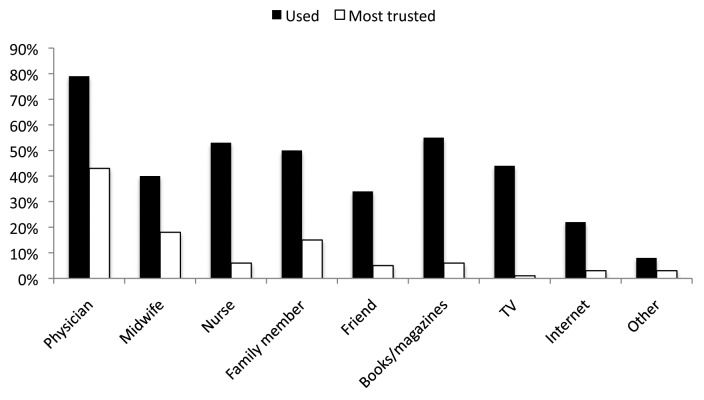
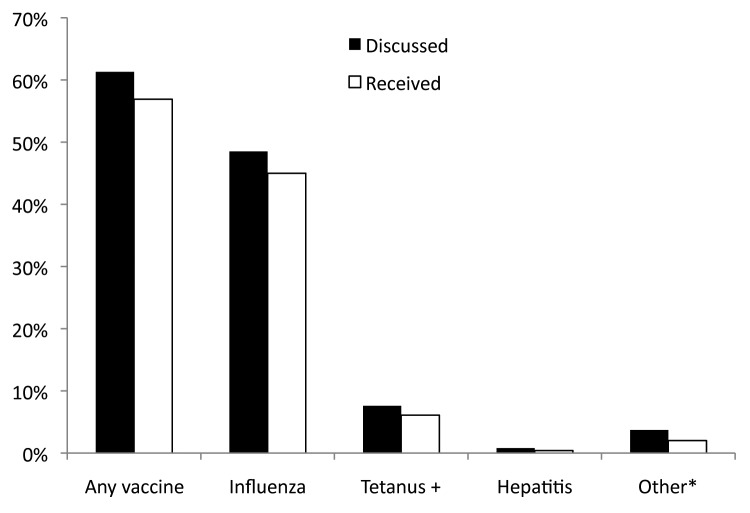
Influenza and pertussis prevention in young infants requires immunizing pregnant women and all caregivers (cocooning). We evaluated the knowledge and attitude of postpartum women about these two recommendations. A survey of predominantly Hispanic, underinsured, medically underserved postpartum women in Houston, Texas was performed during June 2010 through July 2012. Five hundred eleven postpartum women [mean age 28.8 y (18-45); 94% Hispanic] with a mean of 3 children (1-12) participated. Ninety-one (17.8%) were first-time mothers. Four hundred ninety-six (97.1%) received prenatal care; care was delayed in 24.3%. Only 313 (61.3%) received vaccine education while pregnant, and 291 (57%) were immunized. Four hundred seventy-four women (93%) were willing to be immunized during pregnancy if recommended by their healthcare provider, (the most trusted information source for 62%). Immunization of infants or infant caregivers had been discussed with 41% and 10% of mothers, respectively. Two hundred thirty women (45%) had received influenza vaccine; most intended to (79%) or had already received (15%) tetanus, diphtheria, and acellular pertussis (Tdap) vaccine. Preferred locations for cocooning were hospital or community clinics (97%). Insufficient knowledge (46.6%), cost (31.4%), lack of transportation (26%), work commitments (13.3%), and fear of needles (13.3%) were perceived barriers to cocooning. Level of formal education received by mothers had no effect on the quantity or quality of immunization education received during PNC or their attitude toward immunization. Immunization during pregnancy and cocooning, if recommended by providers, are acceptable in this high-risk population. Healthcare providers, as reported in infant studies, have the greatest influence on vaccine acceptance by pregnant and postpartum women.
Keywords: attitudes; cocooning; influenza; maternal immunization; pertussis; pregnancy; provider.
Figures
References
Publication types
MeSH terms
LinkOut - more resources
Full Text Sources
Other Literature Sources
Medical
