


Triage of mass casualties in war conditions: realities and lessons learned
- PMID: 23793513
- PMCID: PMC3728401
- DOI: 10.1007/s00264-013-1961-y
Triage of mass casualties in war conditions: realities and lessons learned
Abstract
Purpose: The authors made a retrospective analysis of three triage situations of war wounded in Chad and Rwanda in which mass casualties overwhelmed available medical facilities.
Methods: The triage classification is based on the waiting period for surgery. The categories are: extreme, first, second and third emergencies, expectant, walking wounded.
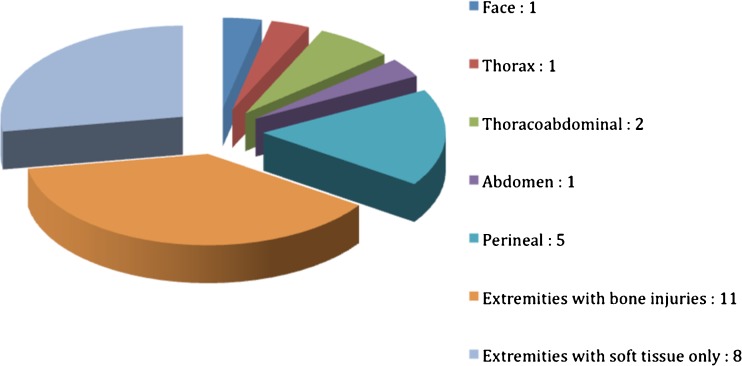
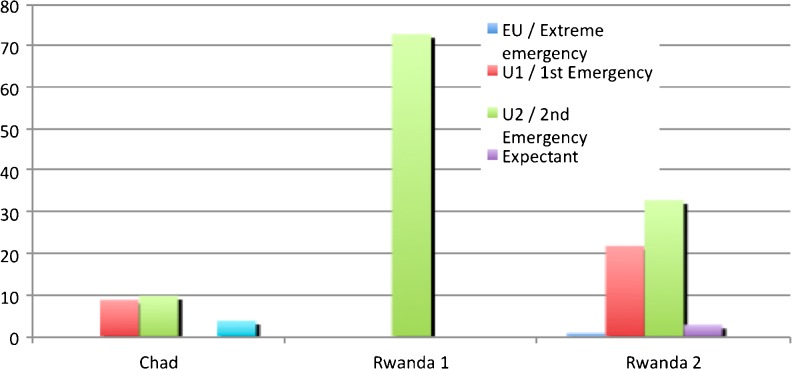
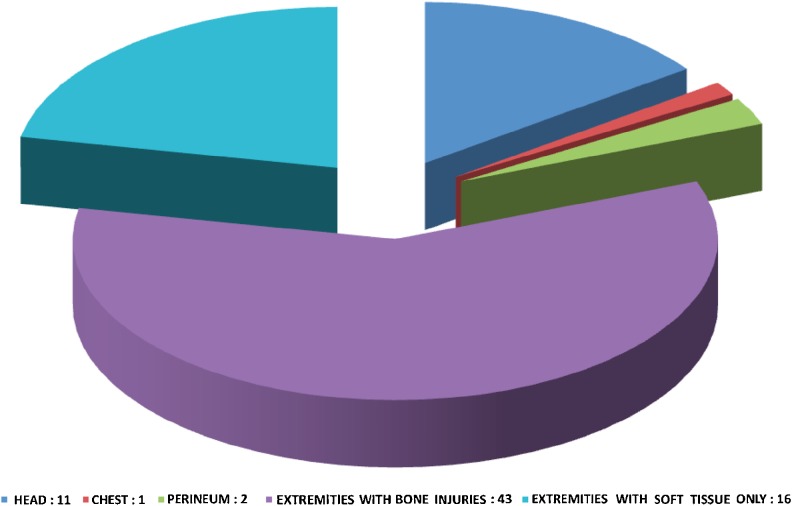
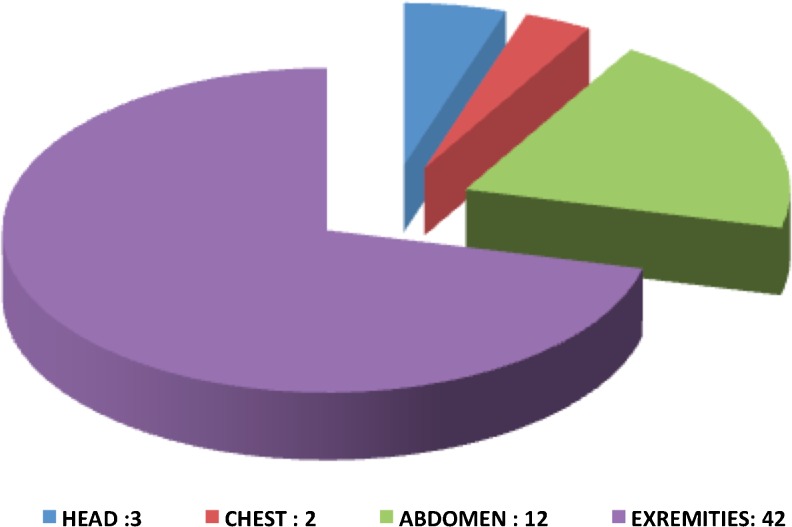
Results: In Chad, 23 wounded adults were received in 24 hours, and 19 were operated up on within 48 hours. In Rwanda 1, 94 wounded were received in two hours, of whom 68 were operated upon, 23 on the first day. In Rwanda 2, 59 wounded were received in 12 hours, treatment of extreme and first emergencies required 48 hours, while second and third emergencies were treated during the three following days.
Conclusions: These episodes were very different when considering the setting, the number of casualties, the type of wounds, the logistical and medical difficulties. The authors report the difficulties faced and the lessons learned. "Il faut toujours commencer par le plus douloureusement blessé sans avoir égard aux rangs et aux distinctions." You must always begin with those who are most seriously wounded without regard to rank or other distinction. Baron Larrey (1766-1842), surgeon to Napoléon's Imperial Guard.
Figures
References
-
- Larrey DJ (1984) Mémoires et campagnes du baron Larrey. Campagnes de Saxe et de Prusse. Première réédition, Remanences Editions, Paris, p 4
-
- Burris DG, Fitz-Harris JB, Holcomb JB, et al. Emergency war surgery. Washington DC: US Government Printing Office; 2004.
-
- Giannou C, Baldan M (2009) War surgery working with limited resources in armed conflict and other situations of violence, vol 1, chap 9. Hospital triage of mass casualties. International Committee of the Red Cross, March 2009
MeSH terms
LinkOut - more resources
Full Text Sources
Other Literature Sources
