De-novo onset of eosinophilic esophagitis after large volume allergen exposures
- PMID: 23799220
- PMCID: PMC3813013
De-novo onset of eosinophilic esophagitis after large volume allergen exposures
Abstract
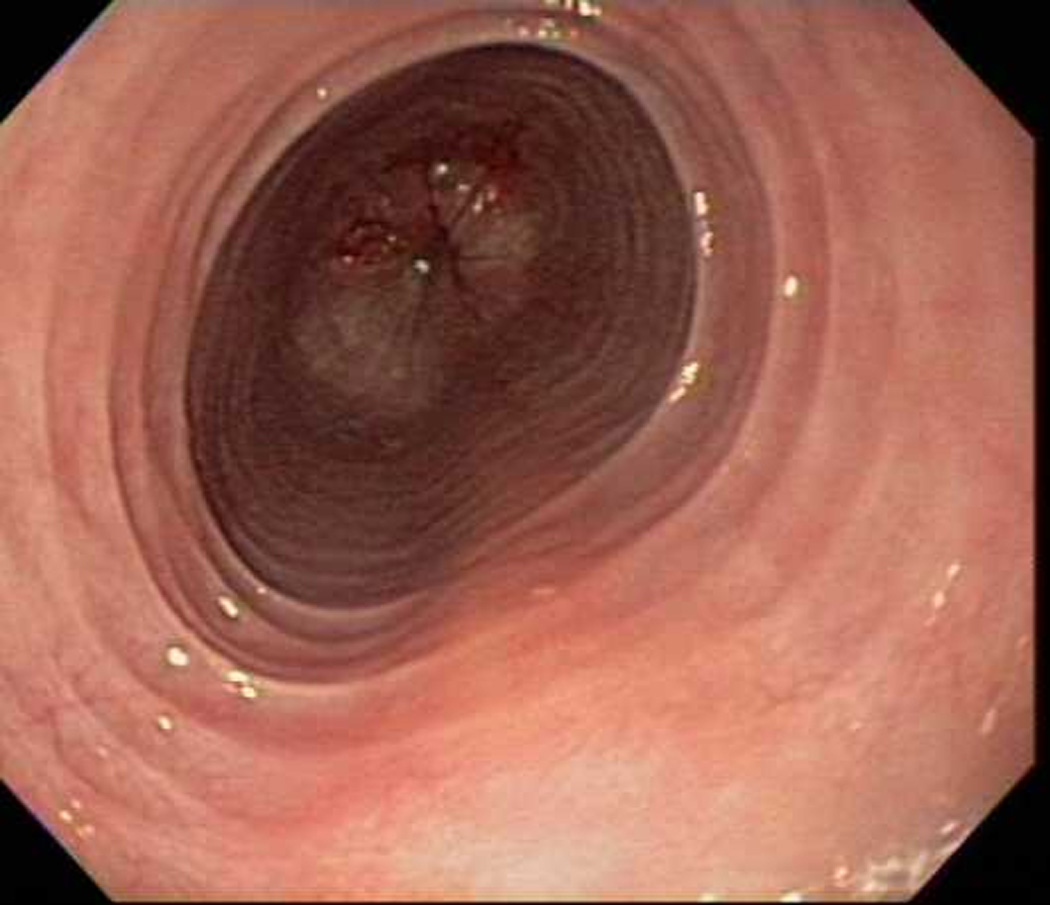
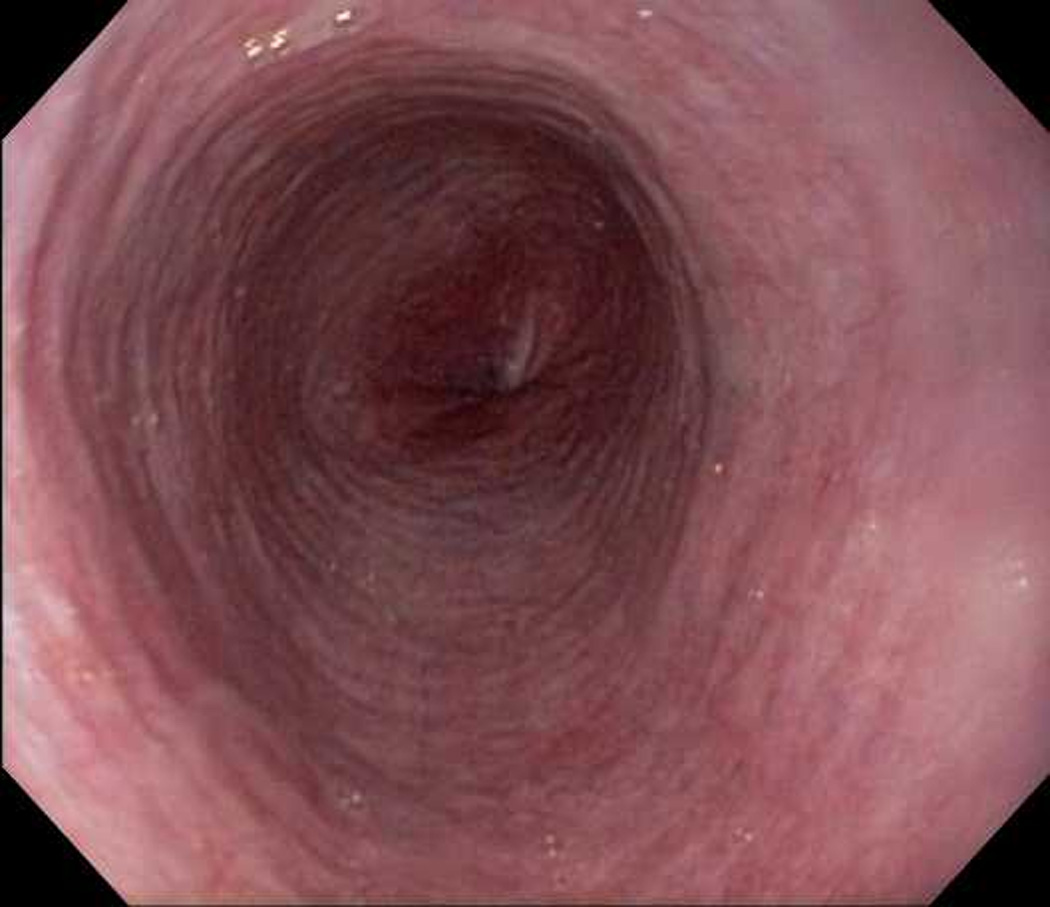
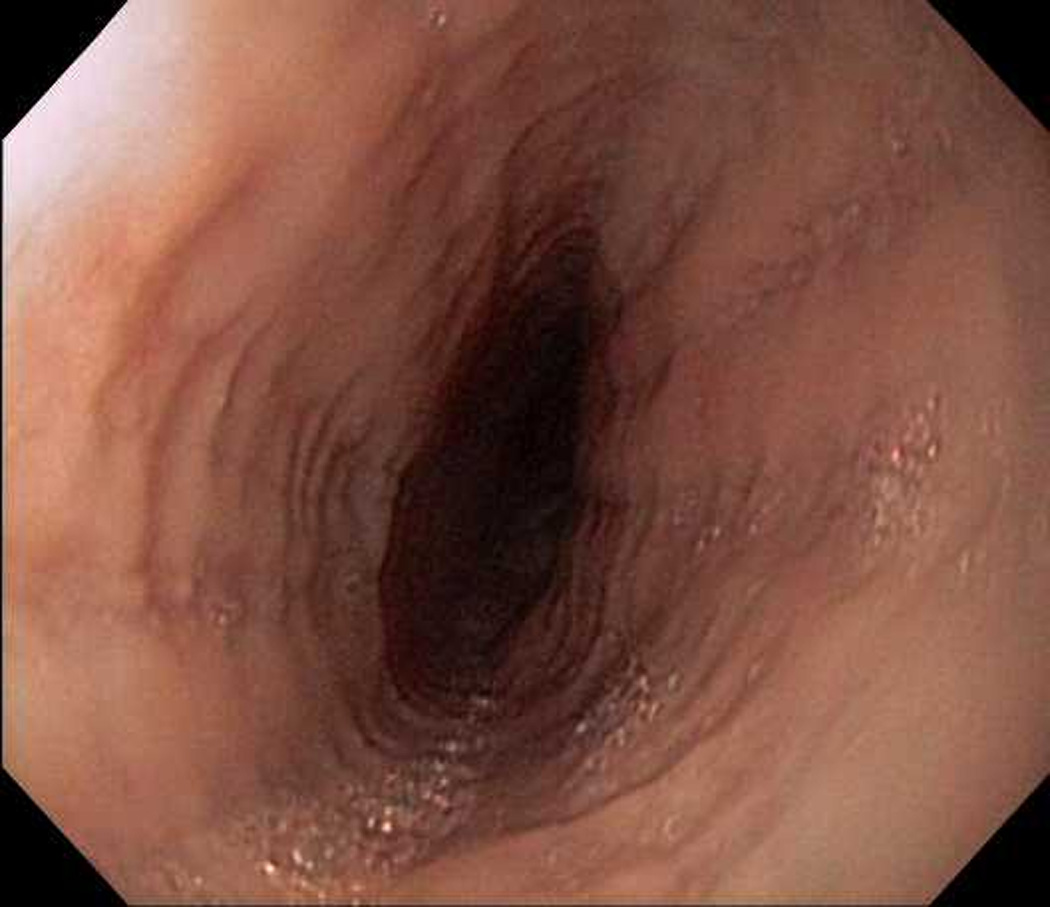
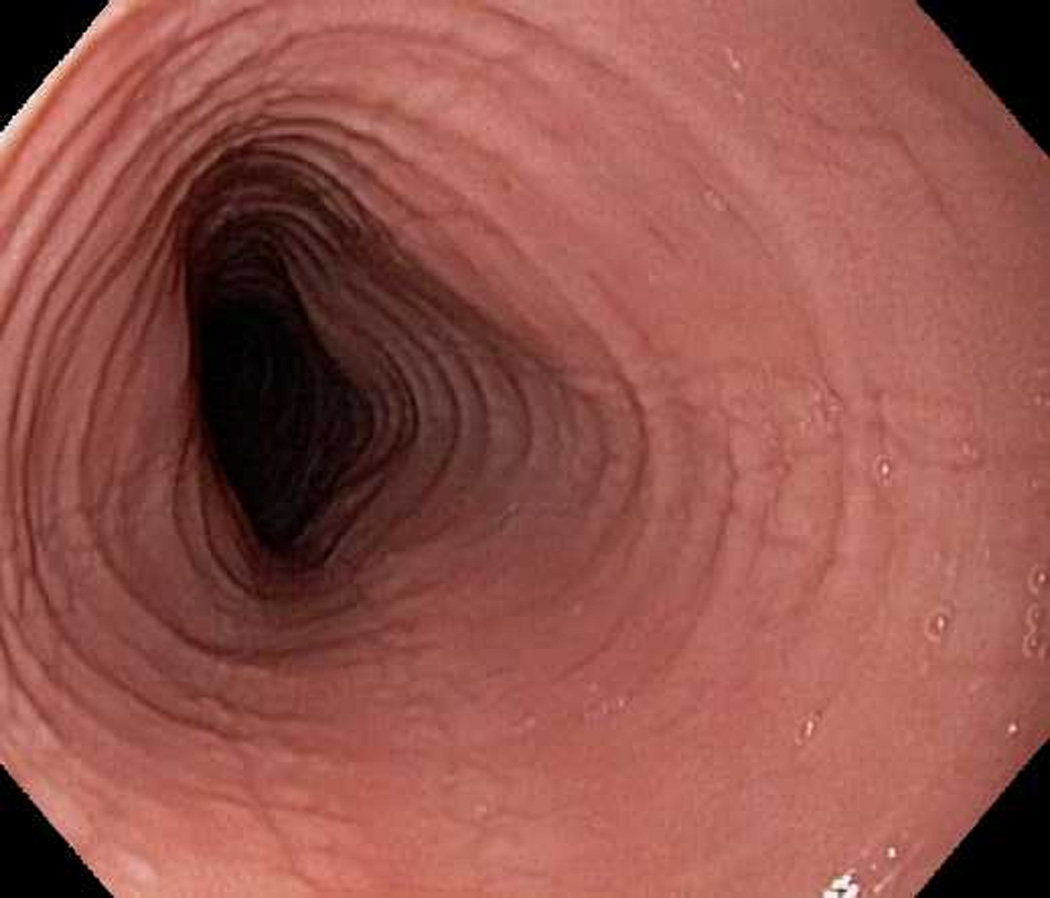
Eosinophilic esophagitis (EoE) is a chronic immune-mediated condition believed to have an allergic component, but the timing of the initial allergen triggers that cause the disease is poorly understood. While the clinical presentation of EoE is often of longstanding symptoms, in animal models, acute exposure to an allergen challenge successfully produces EoE. In this report, we present three cases of individuals who developed esophageal eosinophilia and EoE shortly after a clearly identified exposure to aeroallergens. These cases highlight the allergic etiology of EoE, and provide a link from humans to the previously described experimental mechanisms.
Conflict of interest statement
Disclosures: There are no potential conflicts of interest for any of the authors pertaining to this study.
Figures
References
-
- Liacouras CA, Furuta GT, Hirano I, et al. Eosinophilic esophagitis: Updated consensus recommendations for children and adults. J Allergy Clin Immunol. 2011;128 3-20.e6. - PubMed
-
- Straumann A, Bauer M, Fischer B, Blaser K, Simon HU. Idiopathic eosinophilic esophagitis is associated with a T(H)2-type allergic inflammatory response. J Allergy Clin Immunol. 2001;108:954–961. - PubMed
-
- Kelly KJ, Lazenby AJ, Rowe PC, et al. Eosinophilic esophagitis attributed to gastroesophageal reflux: improvement with an amino acid-based formula. Gastroenterology. 1995;109:1503–1512. - PubMed
-
- Markowitz JE, Spergel JM, Ruchelli E, Liacouras CA. Elemental diet is an effective treatment for eosinophilic esophagitis in children and adolescents. Am J Gastroenterol. 2003;98:777–782. - PubMed
Publication types
MeSH terms
Substances
Grants and funding
LinkOut - more resources
Full Text Sources
Medical