


Immune mediators of sea-cucumber Holothuria tubulosa (Echinodermata) as source of novel antimicrobial and anti-staphylococcal biofilm agents
- PMID: 23800329
- PMCID: PMC3702452
- DOI: 10.1186/2191-0855-3-35
Immune mediators of sea-cucumber Holothuria tubulosa (Echinodermata) as source of novel antimicrobial and anti-staphylococcal biofilm agents
Abstract
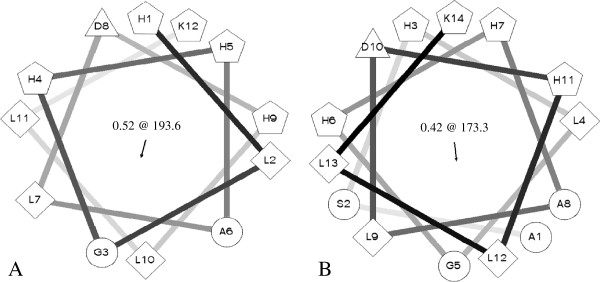
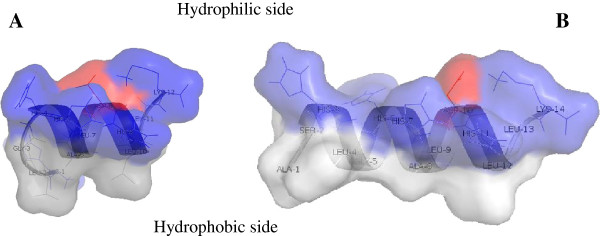
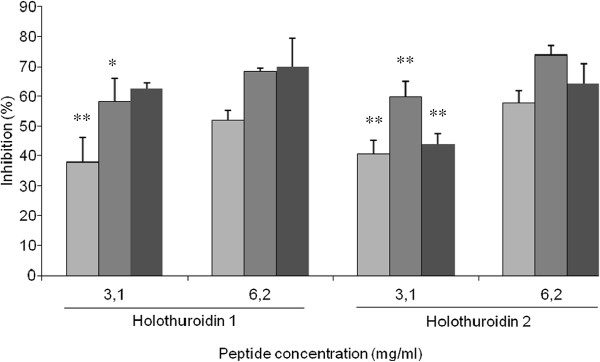
The present study aims to investigate coelomocytes, immune mediators cells in the echinoderm Holothuria tubulosa, as an unusual source of antimicrobial and antibiofilm agents. The activity of the 5kDa peptide fraction of the cytosol from H. tubulosa coelomocytes (5-HCC) was tested against a reference group of Gram-negative and Gram-positive human pathogens. Minimal inhibitory concentrations (MICs) ranging from 125 to 500 mg/ml were determined against tested strains. The observed biological activity of 5-HCC could be due to two novel peptides, identified by capillary RP-HPLC/nESI-MS/MS, which present the common chemical-physical characteristics of antimicrobial peptides. Such peptides were chemically synthesized and their antimicrobial activity was tested. The synthetic peptides showed broad-spectrum activity at 12.5 mg/ml against the majority of the tested Gram-positive and Gram-negative strains, and they were also able to inhibit biofilm formation in a significant percentage at a concentration of 3.1 mg/ml against staphylococcal and Pseudomonas aeruginosa strains.The immune mediators in H. tubulosa are a source of novel antimicrobial peptides for the development of new agents against biofilm bacterial communities that are often intrinsically resistant to conventional antibiotics.
Figures
References
-
- Andersson L, Lidgren G, Bohlin L, Magni L, Ogren S, Afzelius L. Studies of Swedish marine organisms. I. Screening of biological activity. Acta Pharm Suec. 1983;3(6):401–414. - PubMed
-
- Arizza V, Vazzana M, Schillaci D, Russo D, Giaramita FT, Parrinello N. Gender differences in the immune system activities of sea urchin Paracentrotus lividus. Comparative biochemistry and physiology Part A. Molecular & integrative physiology. 2013;3(3):447–455. doi: 10.1016/j.cbpa.2012.11.021. - DOI - PubMed
LinkOut - more resources
Full Text Sources
Other Literature Sources
Molecular Biology Databases
Miscellaneous
