


Gut microbiota and type 1 diabetes
- PMID: 23804264
- PMCID: PMC3740694
- DOI: 10.1900/RDS.2012.9.251
Gut microbiota and type 1 diabetes
Abstract
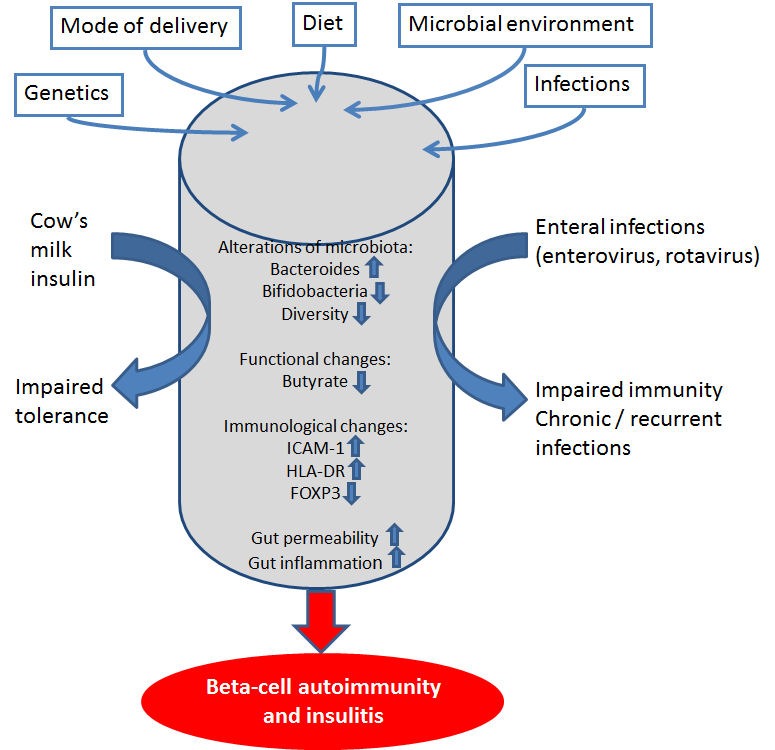
The gut immune system has a key role in the development of autoimmune diabetes, and factors that control the gut immune system are also regulators of beta-cell autoimmunity. Gut microbiota modulate the function of the gut immune system by their effect on the innate immune system, such as the intestinal epithelial cells and dendritic cells, and on the adaptive immune system, in particular intestinal T cells. Due to the immunological link between gut and pancreas, e.g. the shared lymphocyte homing receptors, the immunological changes in the gut are reflected in the pancreas. According to animal studies, changes in gut microbiota alter the development of autoimmune diabetes. This has been demonstrated by antibiotics that induce changes in the gut microbiota. Furthermore, gut-colonizing microbes may modify the incidence of autoimmune diabetes in animal models. Deficient toll-like receptor (TLR) signaling, mediating microbial stimulus in immune cells, prevents autoimmune diabetes, which appears to be dependent on alterations in the intestinal microbiota. Although few studies have been conducted in humans, recent studies suggest that the abundance of Bacteroides and lack of butyrate-producing bacteria in fecal microbiota are associated with beta-cell autoimmunity and type 1 diabetes. It is possible that altered gut microbiota are associated with immunological aberrancies in type 1 diabetes. The changes in gut microbiota could lead to alterations in the gut immune system, such as increased gut permeability, small intestinal inflammation, and impaired tolerance to food antigens, all of which are observed in type 1 diabetes. Poor fitness of gut microbiota could explain why children who develop type 1 diabetes are prone to enterovirus infections, and do not develop tolerance to cow milk antigens. These candidate risk factors of type 1 diabetes may imply an increased risk of type 1 diabetes due to the presence of gut microbiota that do not support health. Despite the complex interaction of microbiota, host, environment, and disease mechanisms, gut microbiota are promising novel targets in the prevention of type 1 diabetes.
Figures
References
-
- Sudo N, Sawamura S, Tanaka K, Aiba Y, Kubo C, Koga Y. The requirement of intestinal bacterial flora for the development of an IgE production system fully susceptible to oral tolerance induction. J Immunol. 1997;159(4):1739–1745. - PubMed
-
- Ostman S, Rask C, Wold AE, Hultkrantz S, Telemo E. Impaired regulatory T cell function in germ-free mice. Eur J Immunol. 2006;36(9):2336–2346. - PubMed
Publication types
MeSH terms
LinkOut - more resources
Full Text Sources
Medical