


B Cell in Autoimmune Diseases
- PMID: 23807906
- PMCID: PMC3692299
- DOI: 10.6064/2012/215308
B Cell in Autoimmune Diseases
Abstract
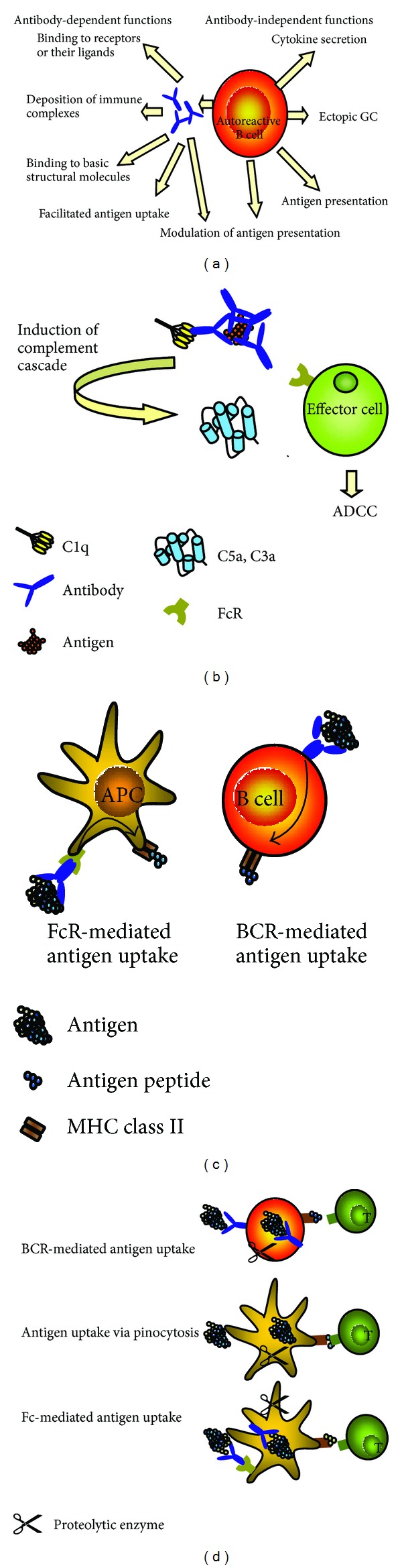
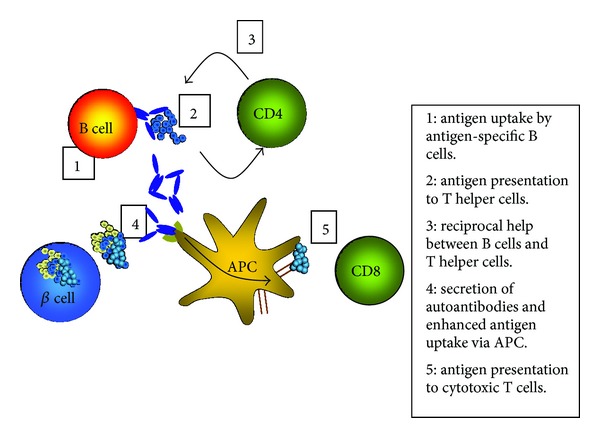
The role of B cells in autoimmune diseases involves different cellular functions, including the well-established secretion of autoantibodies, autoantigen presentation and ensuing reciprocal interactions with T cells, secretion of inflammatory cytokines, and the generation of ectopic germinal centers. Through these mechanisms B cells are involved both in autoimmune diseases that are traditionally viewed as antibody mediated and also in autoimmune diseases that are commonly classified as T cell mediated. This new understanding of the role of B cells opened up novel therapeutic options for the treatment of autoimmune diseases. This paper includes an overview of the different functions of B cells in autoimmunity; the involvement of B cells in systemic lupus erythematosus, rheumatoid arthritis, and type 1 diabetes; and current B-cell-based therapeutic treatments. We conclude with a discussion of novel therapies aimed at the selective targeting of pathogenic B cells.
Figures
References
-
- Dandel M, Wallukat G, Potapov E, Hetzer R. Role of β1-adrenoceptor autoantibodies in the pathogenesis of dilated cardiomyopathy. Immunobiology. 2011;217(5):511–520. - PubMed
-
- Riemekasten G, Philippe A, Näther M, et al. Involvement of functional autoantibodies against vascular receptors in systemic sclerosis. Annals of the Rheumatic Diseases. 2011;70(3):530–536. - PubMed
Grants and funding
LinkOut - more resources
Full Text Sources
Other Literature Sources
