


Lysophosphatidic acid receptor-2 deficiency confers protection against bleomycin-induced lung injury and fibrosis in mice
- PMID: 23808384
- PMCID: PMC3931116
- DOI: 10.1165/rcmb.2013-0070OC
Lysophosphatidic acid receptor-2 deficiency confers protection against bleomycin-induced lung injury and fibrosis in mice
Abstract
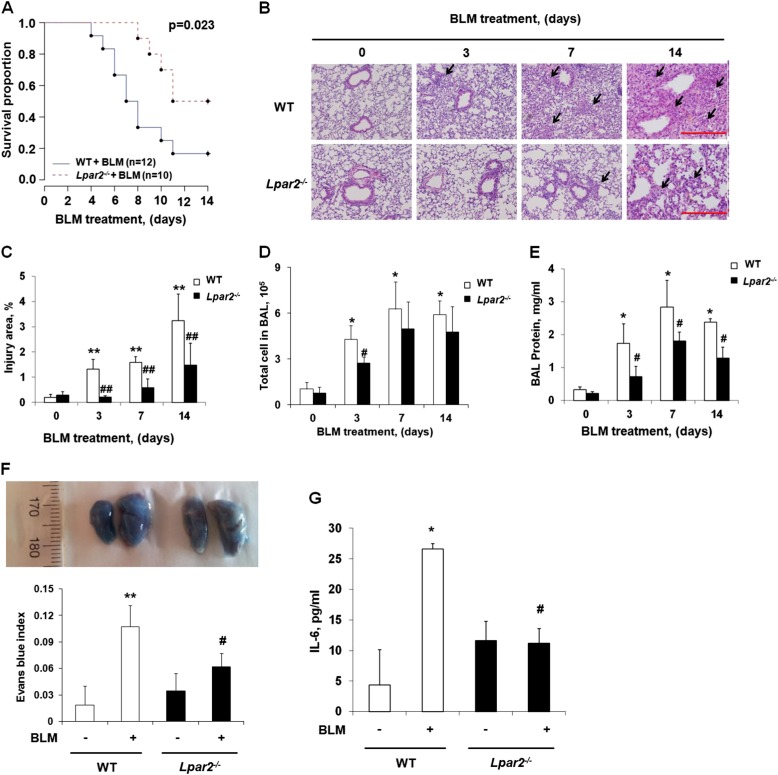
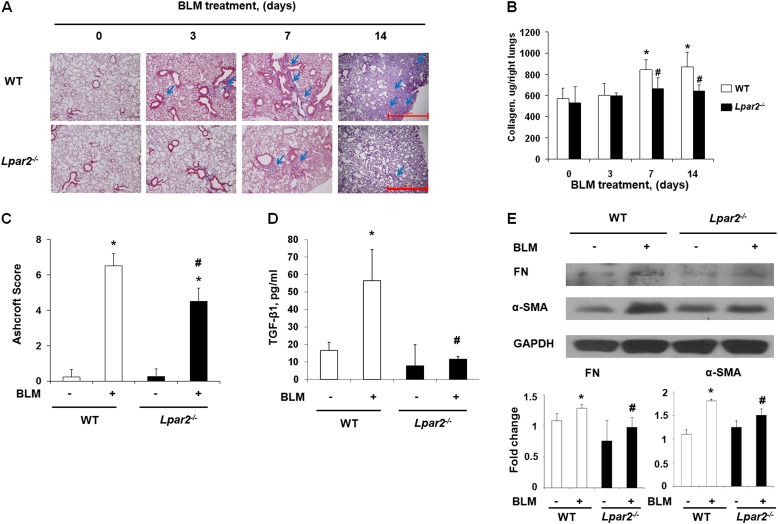
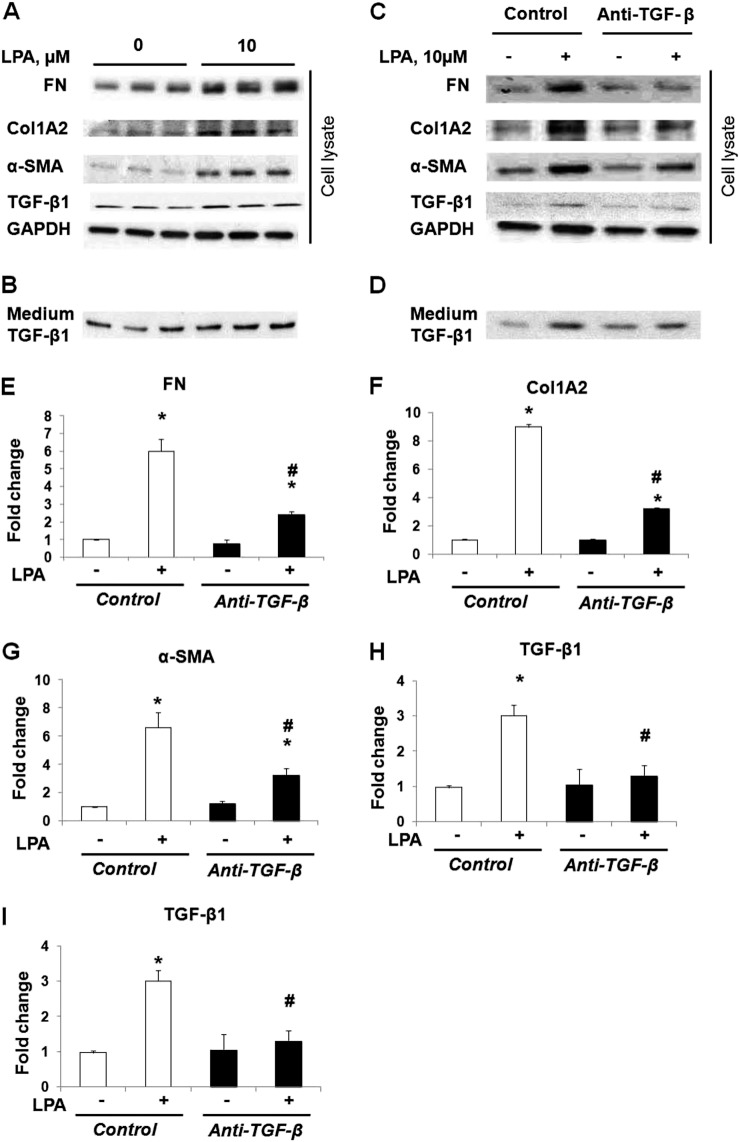
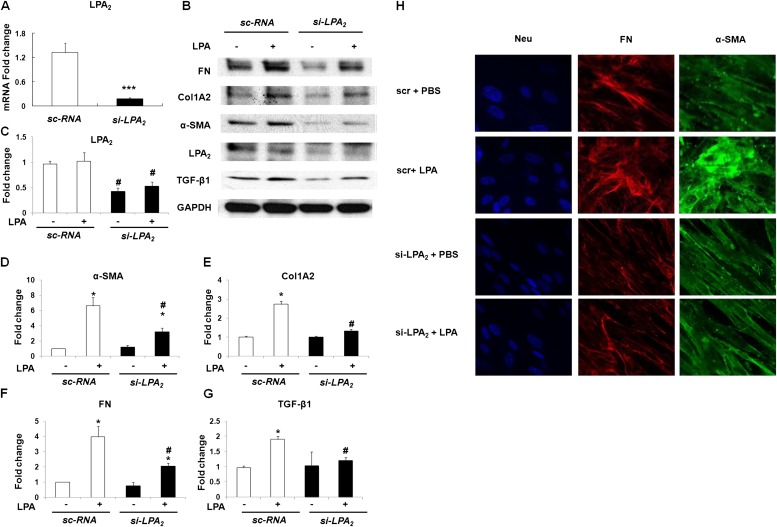
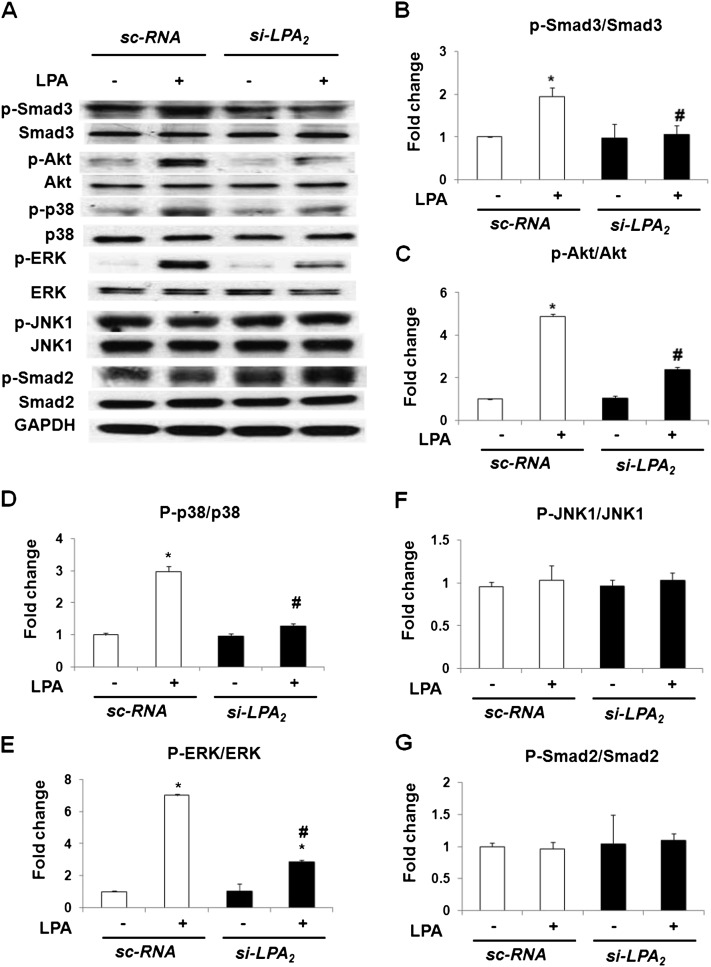
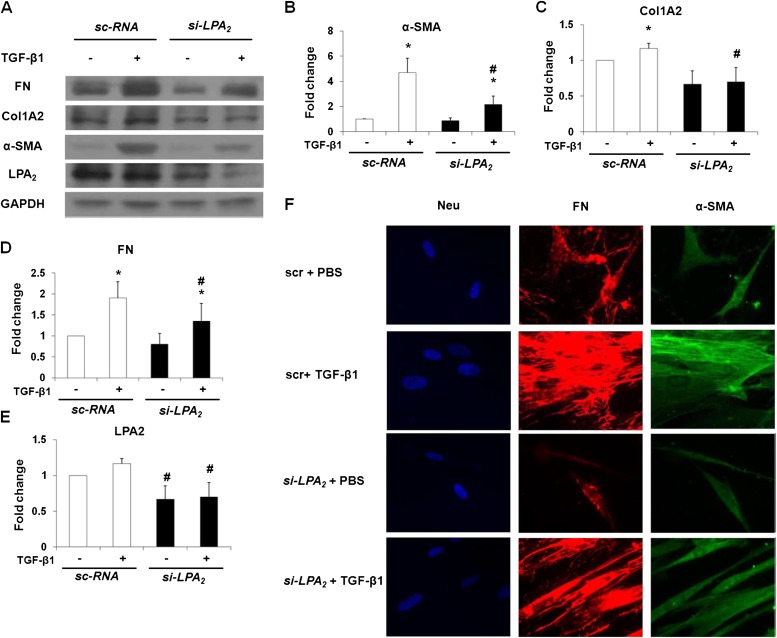
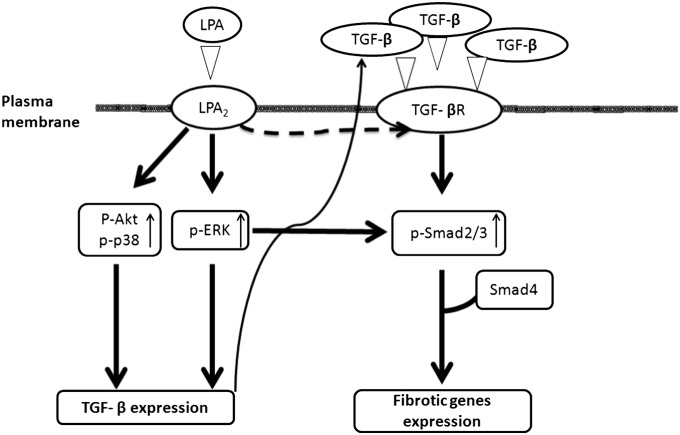
Idiopathic pulmonary fibrosis is a devastating disease characterized by alveolar epithelial cell injury, the accumulation of fibroblasts/myofibroblasts, and the deposition of extracellular matrix proteins. Lysophosphatidic acid (LPA) signaling through its G protein-coupled receptors is critical for its various biological functions. Recently, LPA and LPA receptor 1 were implicated in lung fibrogenesis. However, the role of other LPA receptors in fibrosis remains unclear. Here, we use a bleomycin-induced pulmonary fibrosis model to investigate the roles of LPA2 in pulmonary fibrogenesis. In the present study, we found that LPA2 knockout (Lpar2(-/-)) mice were protected against bleomycin-induced lung injury, fibrosis, and mortality, compared with wild-type control mice. Furthermore, LPA2 deficiency attenuated the bleomycin-induced expression of fibronectin (FN), α-smooth muscle actin (α-SMA), and collagen in lung tissue, as well as levels of IL-6, transforming growth factor-β (TGF-β), and total protein in bronchoalveolar lavage fluid. In human lung fibroblasts, the knockdown of LPA2 attenuated the LPA-induced expression of TGF-β1 and the differentiation of lung fibroblasts to myofibroblasts, resulting in the decreased expression of FN, α-SMA, and collagen, as well as decreased activation of extracellular regulated kinase 1/2, Akt, Smad3, and p38 mitogen-activated protein kinase. Moreover, the knockdown of LPA2 with small interfering RNA also mitigated the TGF-β1-induced differentiation of lung fibroblasts. In addition, LPA2 deficiency significantly attenuated the bleomycin-induced apoptosis of alveolar and bronchial epithelial cells in the mouse lung. Together, our data indicate that the knockdown of LPA2 attenuated bleomycin-induced lung injury and pulmonary fibrosis, and this may be related to an inhibition of the LPA-induced expression of TGF-β and the activation and differentiation of fibroblasts.
Figures
References
-
- King TE., Jr Update in pulmonary medicine. Ann Intern Med. 1998;129:806–812. - PubMed
-
- Raghu G, Freudenberger TD, Yang S, Curtis JR, Spada C, Hayes J, Sillery JK, Pope CE, II, Pellegrini CA. High prevalence of abnormal acid gastro-oesophageal reflux in idiopathic pulmonary fibrosis. Eur Respir J. 2006;27:136–142. - PubMed
-
- Cucoranu I, Clempus R, Dikalova A, Phelan PJ, Ariyan S, Dikalov S, Sorescu D. NAD(P)H oxidase 4 mediates transforming growth factor–beta1–induced differentiation of cardiac fibroblasts into myofibroblasts. Circ Res. 2005;97:900–907. - PubMed
-
- Sappino AP, Schurch W, Gabbiani G. Differentiation repertoire of fibroblastic cells: expression of cytoskeletal proteins as marker of phenotypic modulations. Lab Invest. 1990;63:144–161. - PubMed
-
- Phan SH. The myofibroblast in pulmonary fibrosis. Chest. 2002;122(Suppl. 6):286S–289S. - PubMed
Publication types
MeSH terms
Substances
Grants and funding
LinkOut - more resources
Full Text Sources
Other Literature Sources
Molecular Biology Databases
Miscellaneous
