


Multifactorial diversity sustains microbial community stability
- PMID: 23823494
- PMCID: PMC3806261
- DOI: 10.1038/ismej.2013.108
Multifactorial diversity sustains microbial community stability
Abstract
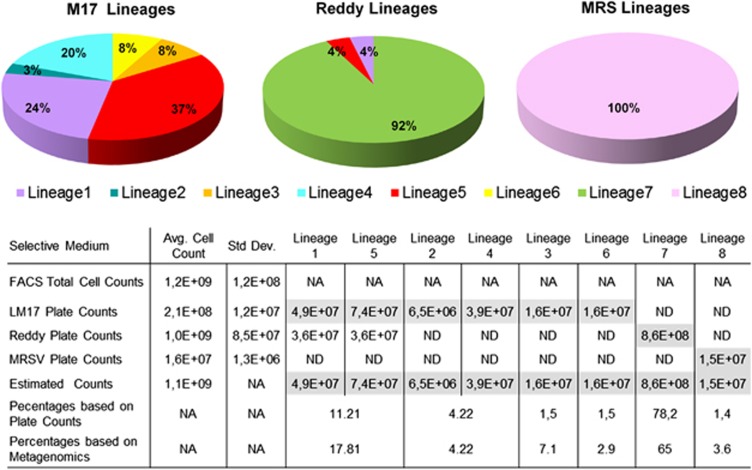
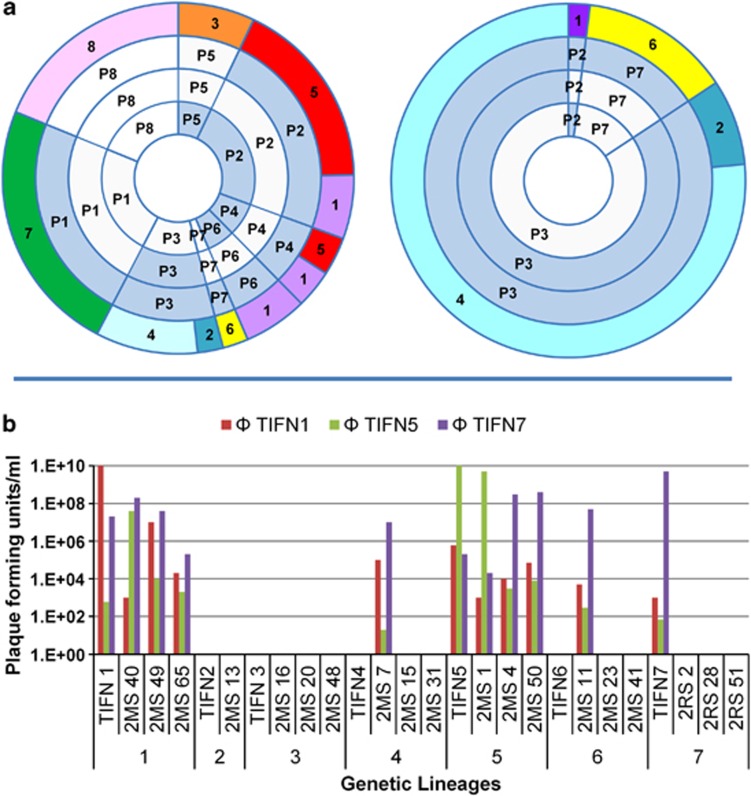
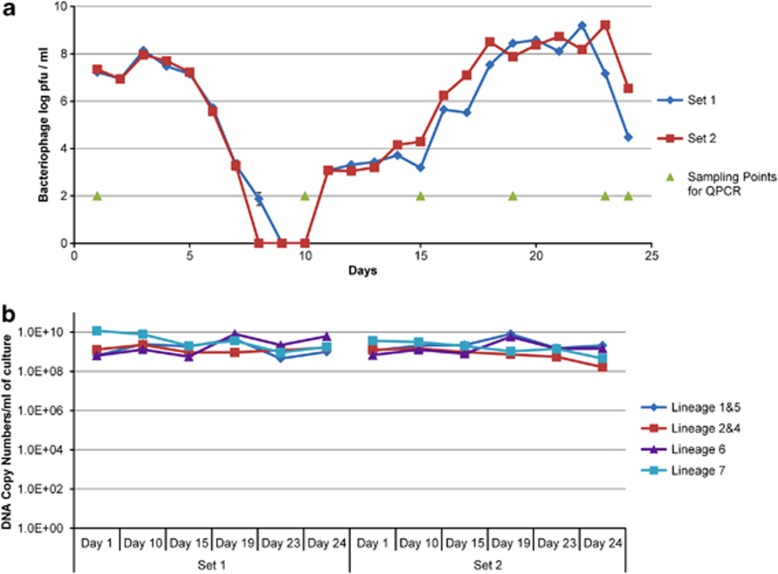
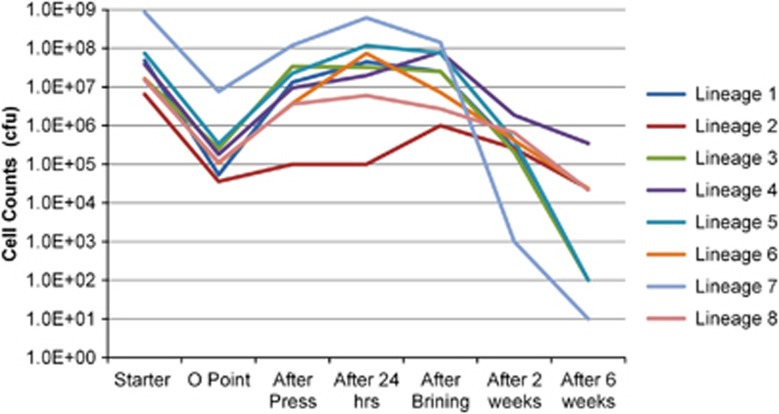
Maintenance of a high degree of biodiversity in homogeneous environments is poorly understood. A complex cheese starter culture with a long history of use was characterized as a model system to study simple microbial communities. Eight distinct genetic lineages were identified, encompassing two species: Lactococcus lactis and Leuconostoc mesenteroides. The genetic lineages were found to be collections of strains with variable plasmid content and phage sensitivities. Kill-the-winner hypothesis explaining the suppression of the fittest strains by density-dependent phage predation was operational at the strain level. This prevents the eradication of entire genetic lineages from the community during propagation regimes (back-slopping), stabilizing the genetic heterogeneity in the starter culture against environmental uncertainty.
Figures
References
-
- Altschul SF, Gish W, Miller W, Myers EW, Lipman DJ. Basic local alignment search tool. J Mol Biol. 1990;215:403–410. - PubMed
-
- Bachmann H, de Wilt L, Kleerebezem M, van Hylckama Vlieg JE. Time-resolved genetic responses of Lactococcus lactis to a dairy environment. Environ Microbiol. 2010;12:1260–1270. - PubMed
Publication types
MeSH terms
Substances
LinkOut - more resources
Full Text Sources
Other Literature Sources
Molecular Biology Databases
