. 2013 Jul 3;5(192):192ra86.
doi: 10.1126/scitranslmed.3006338.

Natural selection in a bangladeshi population from the cholera-endemic ganges river delta

Affiliations

Natural selection in a bangladeshi population from the cholera-endemic ganges river delta

Elinor K Karlsson et al. Sci Transl Med. .

Abstract

As an ancient disease with high fatality, cholera has likely exerted strong selective pressure on affected human populations. We performed a genome-wide study of natural selection in a population from the Ganges River Delta, the historic geographic epicenter of cholera. We identified 305 candidate selected regions using the composite of multiple signals (CMS) method. The regions were enriched for potassium channel genes involved in cyclic adenosine monophosphate-mediated chloride secretion and for components of the innate immune system involved in nuclear factor κB (NF-κB) signaling. We demonstrate that a number of these strongly selected genes are associated with cholera susceptibility in two separate cohorts. We further identify repeated examples of selection and association in an NF-κB/inflammasome-dependent pathway that is activated in vitro by Vibrio cholerae. Our findings shed light on the genetic basis of cholera resistance in a population from the Ganges River Delta and present a promising approach for identifying genetic factors influencing susceptibility to infectious diseases.


Figures
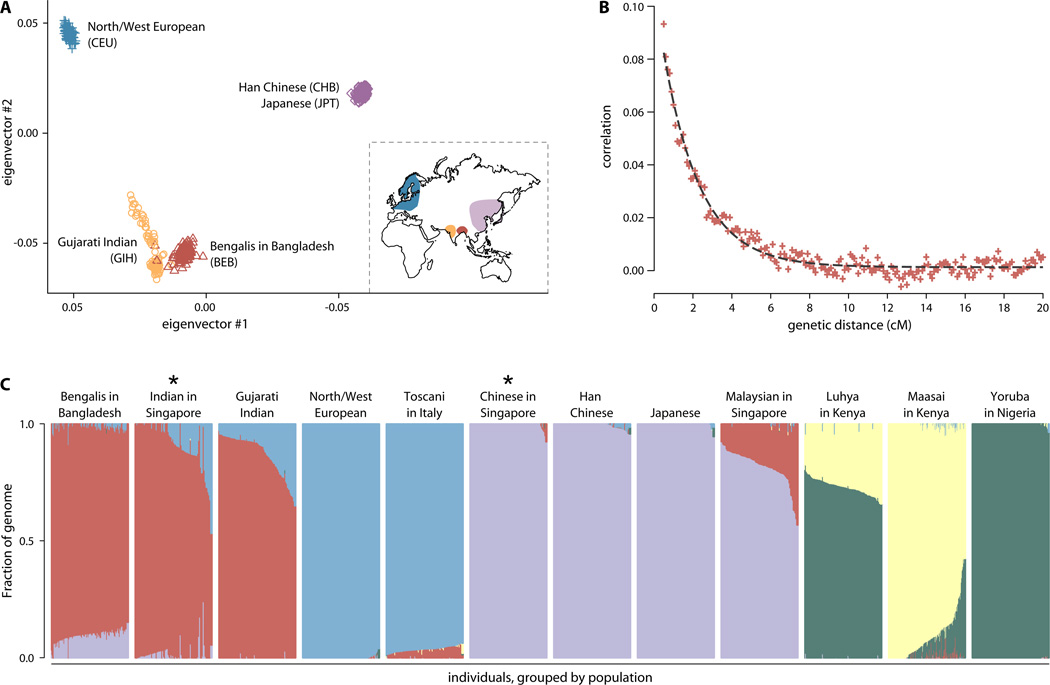
Figure 1
Figure 1. The Bengali population from Dhaka, Bangladesh has no evident structure and descends from ancient admixture between India and East Asia
(A) The first two principal components: Bangladeshis (red) cluster closest to the Gujarati Indians (orange), which is consistent with geography (inset map), and are shifted slightly towards the East Asian populations (purple). (B) The decline of admixture LD in the Bangladeshis suggests a founder event 52 +/− 2 generations ago (~500AD). History was estimated using the pulse admixture model based ROLLOFF method, which is robust to inaccurate parental populations and other modeling issues(31). (C) ADMIXTURE maximum likelihood estimation of ancestries (5 clusters, CV error=0.375) estimates the BEB are 89.7% +/− 2.4% “Indian” ancestry (red) and 9.3% +/− 2.6% “East Asian” ancestry (purple). The starred populations most closely fit the ancestral admixed populations.
Figure 2
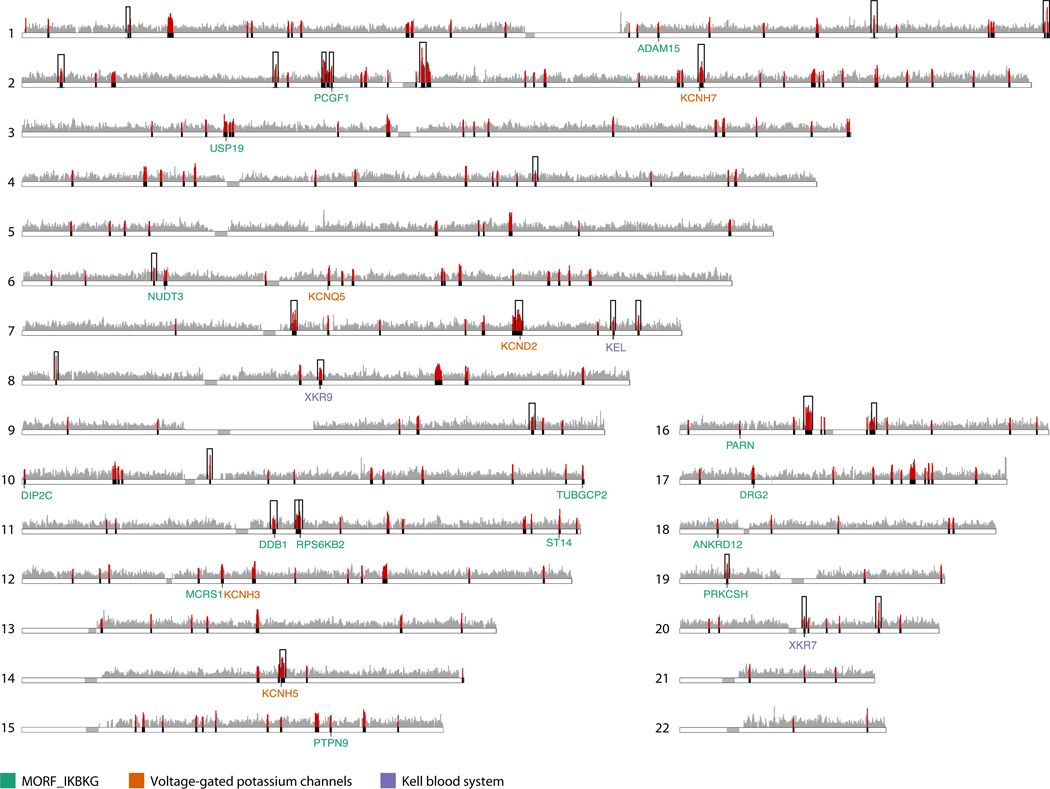
Figure 2. Signals of natural selection in the BEB population are enriched for genes from three distinct gene sets
CMS scan across the human autosomes identifies 305 selected regions (solid black bars with scores as red vertical bars; grey vertical bars show scores for all other regions). Genes in three enriched gene sets are shown with colored labels (see figure key). Candidate genes in 28 regions (black boxes) were tested for association with cholera susceptibility.
Figure 3
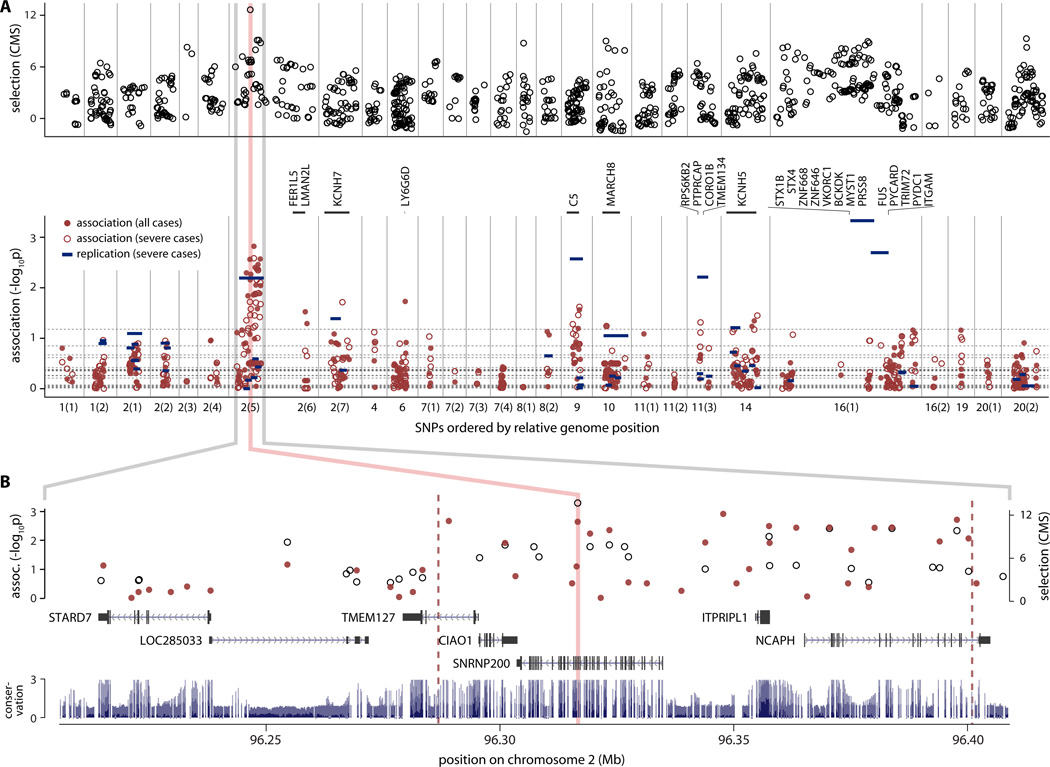
Figure 3. Top signal of selection in Bangladeshi population is associated with cholera susceptibility
(A) Association testing of 536 SNPs genotyped in 104 cholera cases and 167 controls in 28 candidate selected regions (empty black circles); the strongest selection signal in the genome corresponds to the region with the strongest association (red filled circles), exceeding the maximum association at 19 randomly selected SNPs (dashed horizontal lines) by more than 3 fold. SNPs in genes LY6G6D and C5 also have p<0.05 (genes shown in black vertical text). Stricter phenotype definition (severe cholera; hollow red circles) yields 3 additional associated regions with p<0.05, including two containing potassium channel genes (KCNH7, RPS6KB2 and KCNH5). Replication results are shown as blue bars. (B) The association (red filled circles) in region 2(5) overlaps the signal of selection (hollow black circles, right axis). The peak, bracketed by red dashed lines, encompasses 5 genes. The SNP with the highest CMS score in the genome (pink line) sits in an intron of the gene SNRNP200. The region under this peak is well conserved across placental mammals (blue bars).
Figure 4
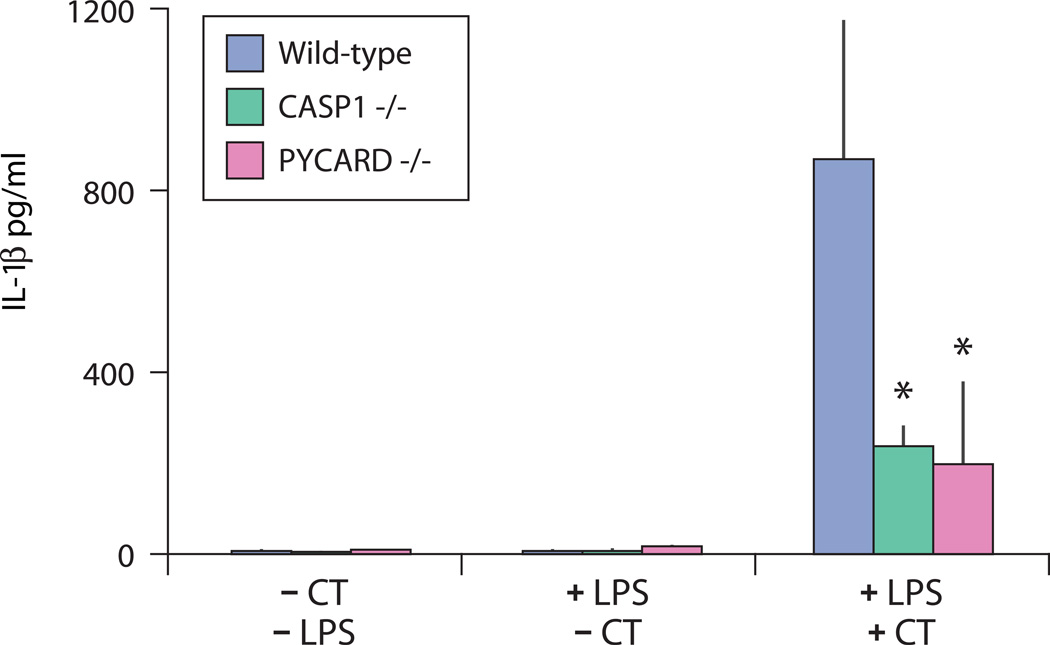
Figure 4. Cholera toxin induces caspase-dependent IL-1β secretion consistent with inflammasome activation
Cholera toxin (CT) induces robust IL-1β secretion in lipopolysaccharide (LPS) primed mouse macrophages but not in macrophages deficient in caspase-1 (green) or PYCARD (purple), key components of inflammasome signaling (starred, p=0.0001 and 0.0005, respectively, when compared to wild-type using Student’s t test). The average (bars) and standard error of the mean (vertical black lines) are shown for three experimental replicates, each with three sampling replicates.
Figure 5
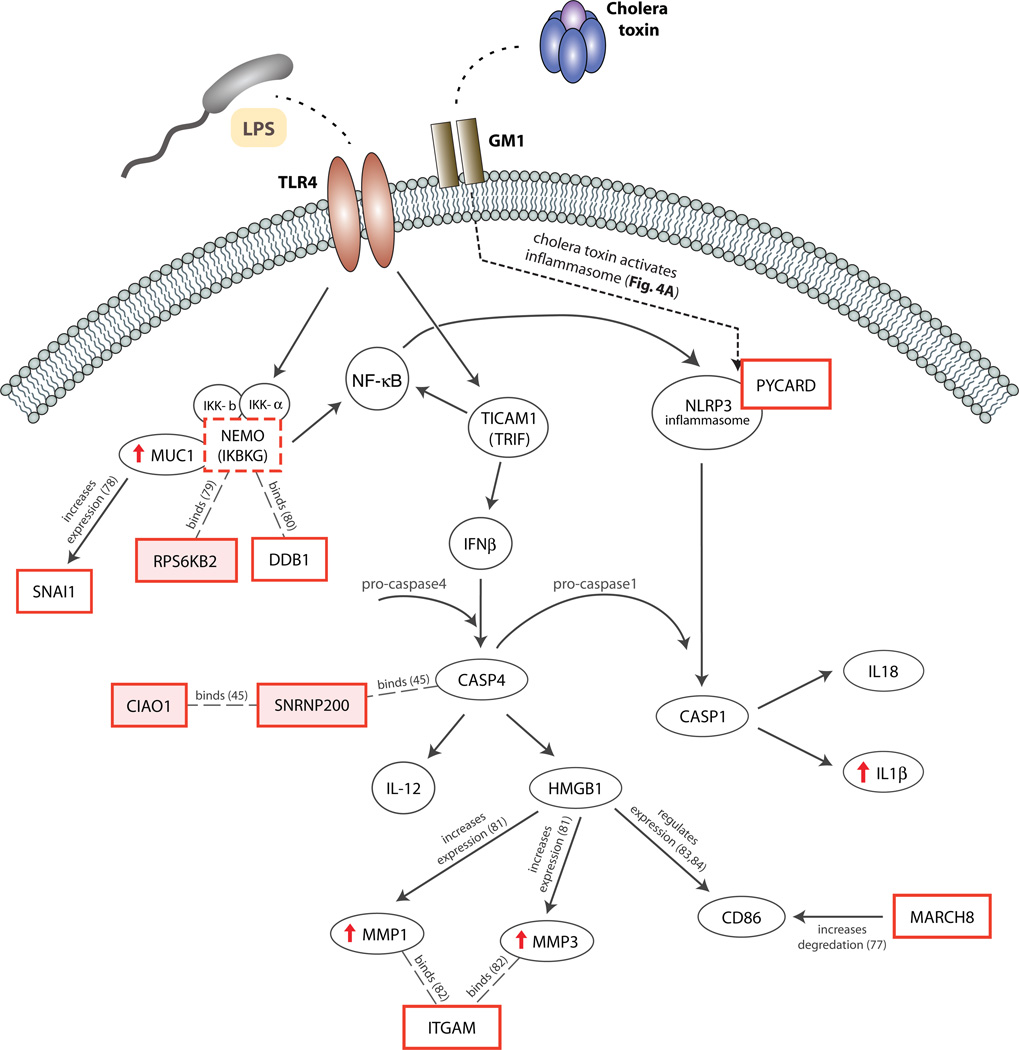
Figure 5. Human innate immune signaling pathways are targeted by selective pressures, including cholera, in the BEB population
We developed a model of the cholera-related immune pathways under selection in the BEB population by mapping all interactions cataloged by Ingenuity’s IPA software between strongly selected genes, including IKBKG, and genes shown to respond to cholera toxin (see methods). Upon exposure to V. cholerae, toll-like receptor 4 (TLR4) and GM1 ganglioside interact with V. cholerae LPS and CT, resulting in coordinated activation of the NLRP3 inflammasome and the NF-κB regulatory complex, through multimerization of PYCARD and assembly of the NEMO complex, respectively. NEMO is encoded by IKBKG (red dashed box), the central gene in a gene set that is significantly enriched for selection in the BEB. TLR4 stimulates production of interferon β (IFNβ), which cleaves procaspase-4 into mature caspase-4. The NLRP3/PYCARD complex cleaves pro-caspase-1 into mature caspase-1. Caspase-1 and caspase-4, central mediators of the inflammasome pathway, then facilitate cell death and release of pro-inflammatory cytokines, such as HMGB1, IL-18, and IL-1β. Genes in selected regions (red boxes), including three specifically associated with cholera susceptibility (red shaded boxes) interact with regulatory components of the proposed pathway. Genes that are significantly upregulated during acute cholera are denoted with red arrows. Interactions shown as arrows or dashed lines; those found using Ingenuity Knowledge Base are labeled with references in parentheses(, –88).

Comment in

References

    1. Lee K. The global dimensions of cholera. Global Change & Human Health. 2001;2:6.
    1. Chowdhury F, et al. Impact of Rapid Urbanization on the Rates of Infection by Vibrio cholerae O1 and Enterotoxigenic Escherichia coli in Dhaka, Bangladesh. PLoS Neglected Tropical Diseases. 2011;5:e999. - PMC - PubMed
    1. Mosley WH, McCormack WM, Ahmed A, Chowdhury AK, Barui RK. Report of the 1966–67 cholera vaccine field trial in rural East Pakistan. 2. Results of the serological surveys in the study population--the relationship of case rate to antibody titre and an estimate of the inapparent infection rate with Vibrio cholerae. Bulletin of the World Health Organization. 1969;40:187. - PMC - PubMed
    1. Glass RI, et al. Seroepidemiological studies of El Tor cholera in Bangladesh: association of serum antibody levels with protection. J Infect Dis. 1985;151:236. - PubMed
    1. Harris JB, et al. Cholera's western front. Lancet. 2010;376:1961. - PMC - PubMed