Review
. 2013 Jul;19(7):879-88.
doi: 10.1038/nm.3253.

Regulation of hepatic innate immunity by hepatitis C virus

Affiliations
Review

Regulation of hepatic innate immunity by hepatitis C virus

Stacy M Horner et al. Nat Med. 2013 Jul.

Abstract

Hepatitis C virus (HCV) is a global public health problem involving chronic infection of the liver, which can cause liver disease and is linked with liver cancer. Viral innate immune evasion strategies and human genetic determinants underlie the transition of acute HCV infection to viral persistence and the support of chronic infection. Host genetic factors, such as sequence polymorphisms in IFNL3, a gene in the host interferon system, can influence both the outcome of the infection and the response to antiviral therapy. Recent insights into how HCV regulates innate immune signaling within the liver reveal a complex interaction of patient genetic background with viral and host factors of innate immune triggering and control that imparts the outcome of HCV infection and immunity.


Figures
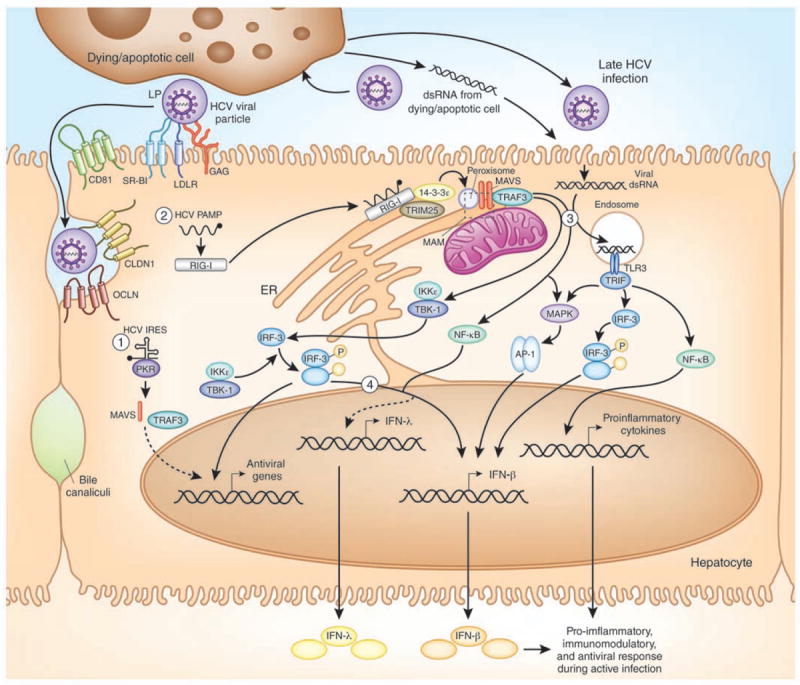
Figure 1
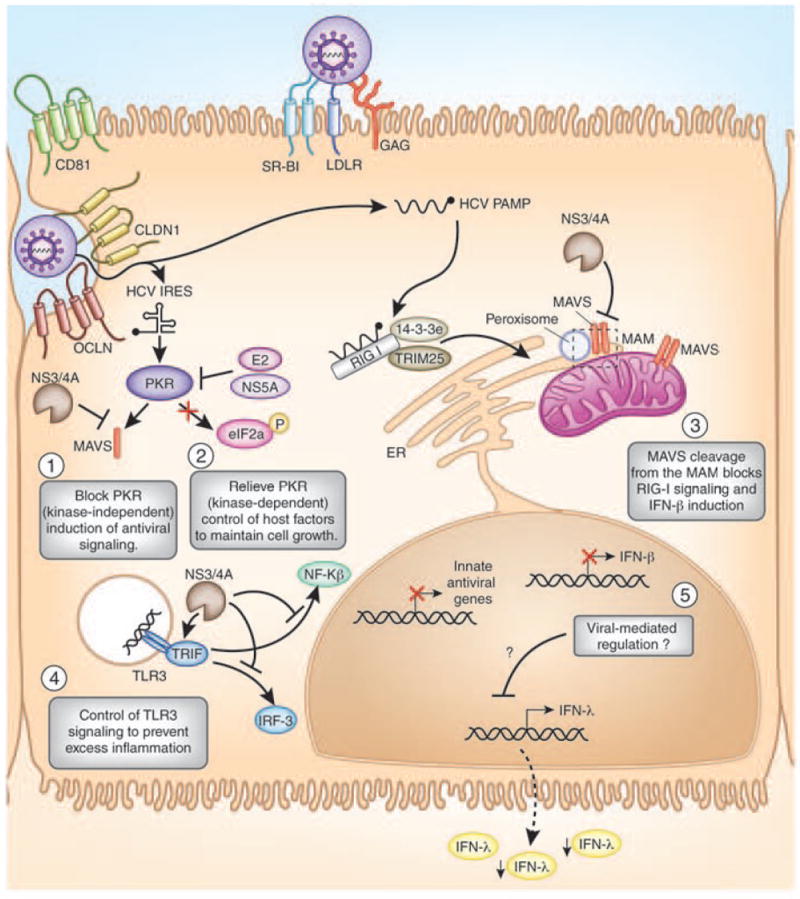
Figure 1. Sensing of HCV can activate innate antiviral defenses through IFN induction in hepatocytes
Innate sensing of HCV in the infected hepatocyte occurs through the combined actions of (1) PKR (2) RIG-I, and (3) TLR3. These proteins recognize specific features of HCV, including the dsRNA in the HCV IRES and the HCV poly U/UC PAMP early during infection; and dsRNA that accumulates following HCV infection (virus particle coated with apolipoprotein (LP) is depicted) or by uptake of HCV dsRNA from dying cells later during infection. This recognition leads to downstream signaling, as indicated by the arrows, that results in the induction of antiviral/immunomodulatory genes, IFN-β, and other proinflammatory cytokines. See the text for mechanistic details. The dashed box marks the location of the mitochondrial-associated ER membrane (MAM), a site of MAVS signaling. (4) The mechanisms leading to hepatic activation of IFN-λ during HCV infection have yet to be fully characterized.
Figure 2
Figure 2. HCV control of IFN induction and immune evasion
Immune evasion by HCV in the hepatocyte occurs at several points during viral infection. The proposed regulation is shown here, where the HCV NS3/4A protease cleaves the signaling adaptors MAVS (on the mitochondrial-associated ER membrane (MAM; in the region indicated by the dashed box) and TRIF to inactivate (1) PKR, (3) RIG-I, and (4) TLR3 signaling pathways to prevent induction of immunomodulatory innate antiviral genes and IFN-β allowing for HCV replication. (5) HCV infection control of IFN-λ induction is not yet defined; (2) HCV E2 and NS5A proteins inactivate PKR kinase-dependent activation of the host translation factor eIF2α to reactivate protein translation during infection.
Figure 3
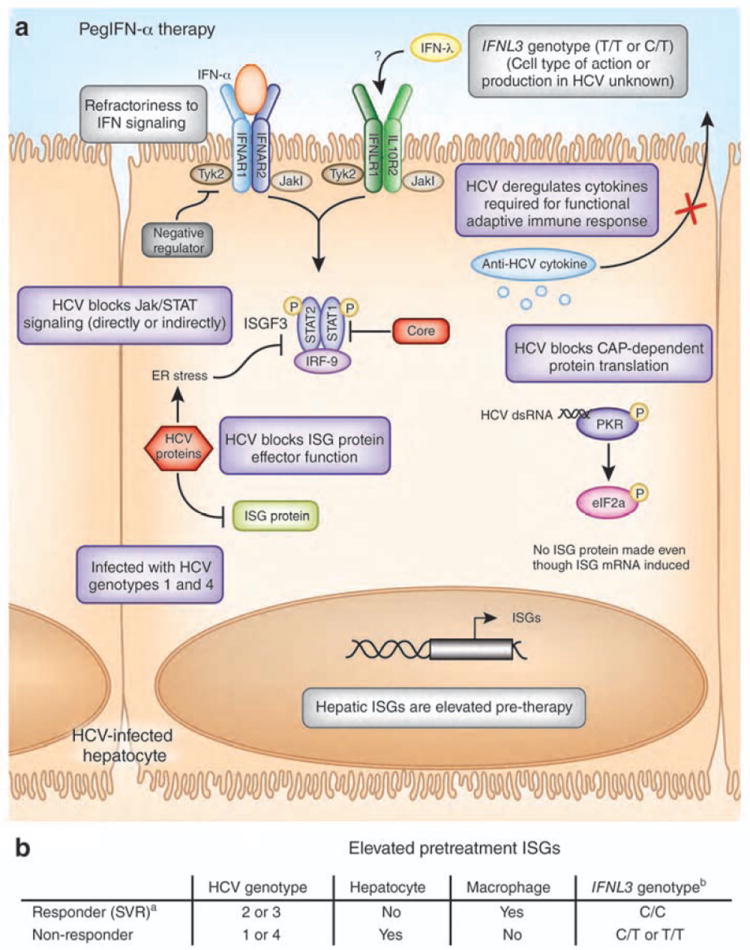
Figure 3. Factors that influence the host response to IFN therapy during HCV infection
(A) In the HCV-infected hepatocyte, a number of possible factors influence therapy responses to pegylated IFN-α. These factors include the patient IFNL3 genotype, the viral genotype, and the activation status of hepatic ISGs prior to therapy, including ISGs that are negative regulators of IFNAR that make the cells refractory to IFN signaling. HCV itself could regulate the host response in the infected cell to prevent IFN therapy action by directly or indirectly blocking Jak/STAT signaling, ISG protein effector function, CAP-dependent protein translation, and cytokines required for functional adaptive immune responses (see purple boxes). (B) Table of key factors that determine HCV therapy responses.[a(SVR: sustained virologic release); b(the nucleotide SNP at rs12979860)]
Figure 4
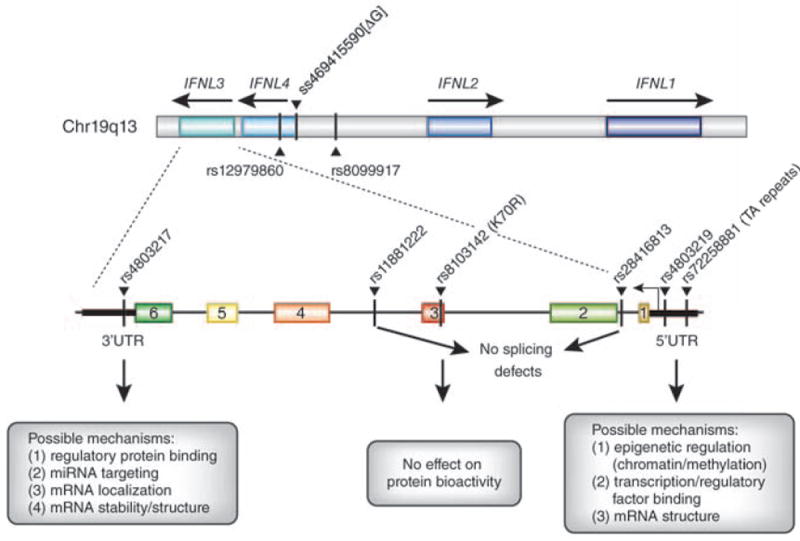
Figure 4. Single nucleotide polymorphisms (SNPs) in the IFNL gene locus
A schematic of the IFNL1-4 gene locus in Chromosome 19q13 is depicted, based on the determined sequence of the 5’ and 3’ ends of the IFNL3 mRNA. The significant proximal SNPs around IFNL3 associated with response to IFN therapy are shown in the map, as indicated by the red dash. Candidate functional SNPs near the IFNL3 and IFNL4 locus, along with possible regulatory mechanisms at these sites, are depicted. Several of these SNPs have been tested as candidate functional SNPs (rs4803219 and rs11881222, role in splicing; rs8103142 (K70R), role in protein bioactivity) and found to have no affect on IFNL3.
Figure 5
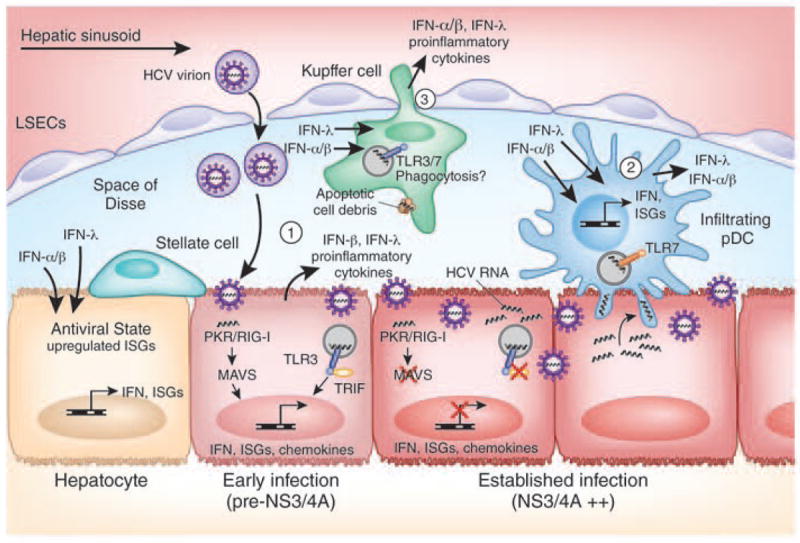
Figure 5. IFN induction by HCV in the liver
The liver contains different cell types that can secrete IFN upon stimulation by HCV infection, including (1) hepatocytes, (2) infiltrating plasmacytoid dendritic cells (pDCs), and (3) Kupffer cells. The activation of these cells is required to prime the adaptive immune response to HCV, which plays a major role in eventual viral clearance. Both type I and type III IFN can act on uninfected hepatocytes to induce an antiviral state that limits virus spread. In the infected cell, HCV can evade IFN induction through viral-mediated processes, including NS3/4A-mediated cleavage of MAVS and TRIF, impacting HCV outcome of infection and disease progression. Cross-talk between hepatocytes and hepatic stellate cells during HCV infection has also been shown to induce inflammatory cytokines and chemokines (not depicted here).

References

    1. Lavanchy D. The global burden of hepatitis C. Liver Int. 2009;29(Suppl 1):74–81. - PubMed
    1. Seeff LB. The history of the “natural history” of hepatitis C (1968-2009) Liver Int. 2009;29(Suppl 1):89–99. - PMC - PubMed
    1. Soriano V, Peters MG, Zeuzem S. New therapies for hepatitis C virus infection. Clin Infect Dis. 2009;48:313–320. - PubMed
    1. Hofmann WP, Zeuzem S. A new standard of care for the treatment of chronic HCV infection. Nat Rev Gastroenterol Hepatol. 2011;8:257–264. - PubMed
    1. Sarrazin C, Hezode C, Zeuzem S, Pawlotsky JM. Antiviral strategies in hepatitis C virus infection. J Hepatol. 2012;56(Suppl):S88–S100. - PubMed

Publication types

LinkOut - more resources