


Masseter function and skeletal malocclusion
- PMID: 23838245
- PMCID: PMC3857144
- DOI: 10.1016/j.revsto.2013.01.015
Masseter function and skeletal malocclusion
Abstract
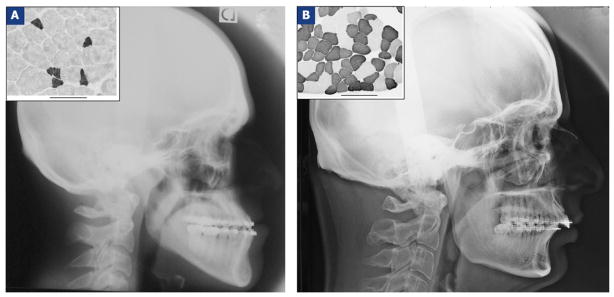
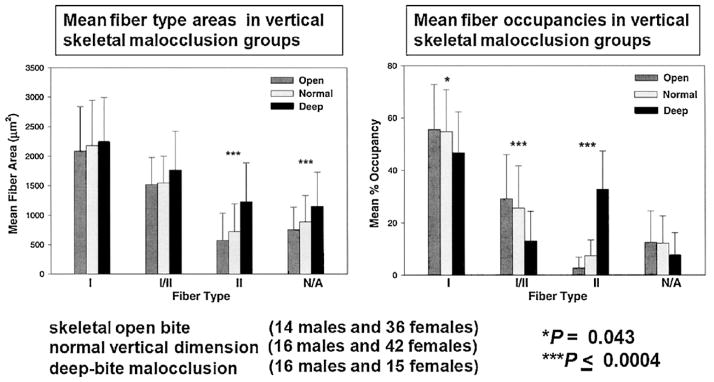
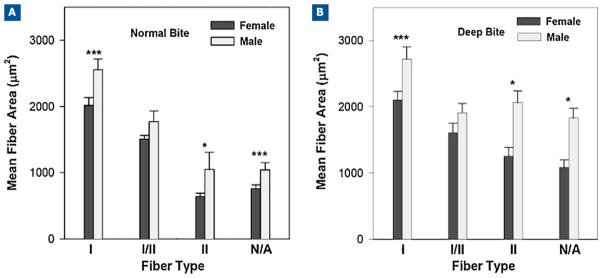
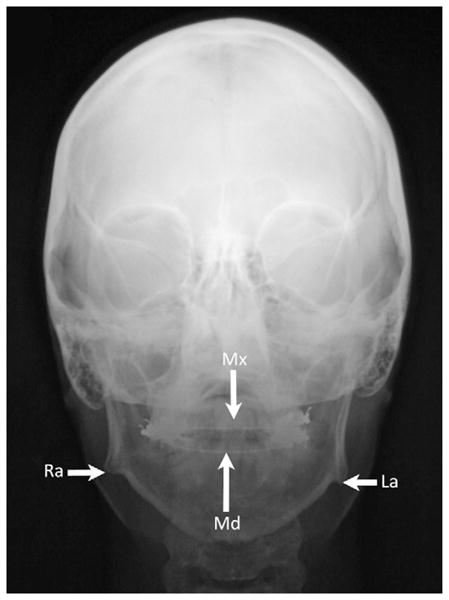
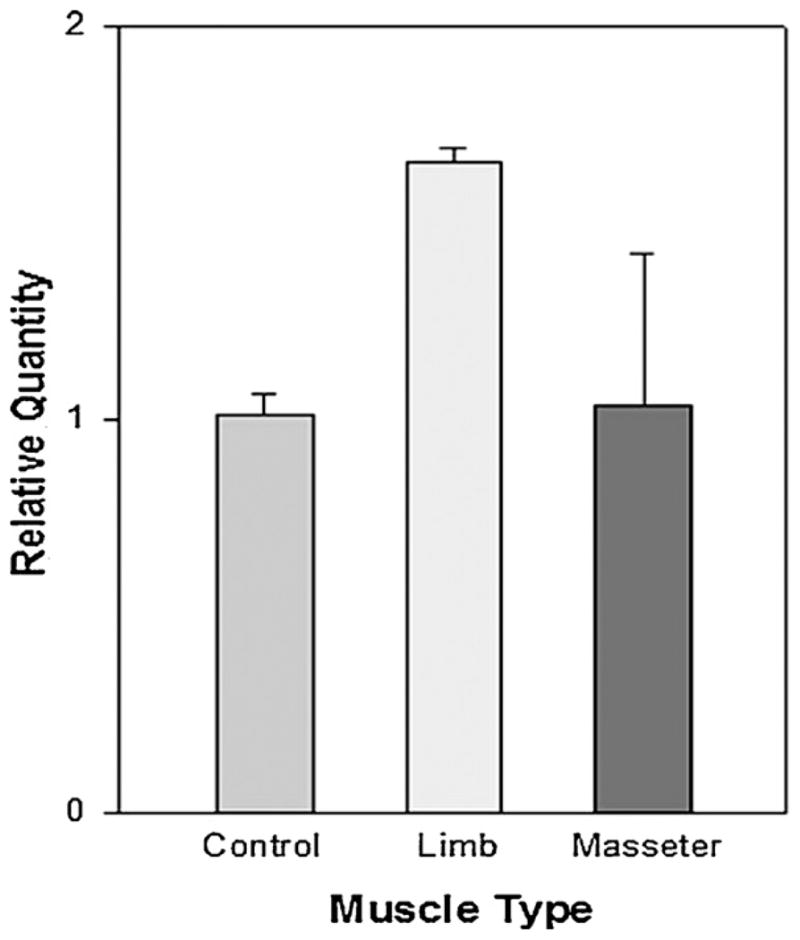
The aim of this work is to review the relationship between the function of the masseter muscle and the occurrence of malocclusions. An analysis was made of the masseter muscle samples from subjects who underwent mandibular osteotomies. The size and proportion of type-II fibers (fast) decreases as facial height increases. Patients with mandibular asymmetry have more type-II fibers on the side of their deviation. The insulin-like growth factor and myostatin are expressed differently depending on the sex and fiber diameter. These differences in the distribution of fiber types and gene expression of this growth factor may be involved in long-term postoperative stability and require additional investigations. Muscle strength and bone length are two genetically determined factors in facial growth. Myosin 1H (MYOH1) is associated with prognathia in Caucasians. As future objectives, we propose to characterize genetic variations using "Genome Wide Association Studies" data and their relationships with malocclusions.
Copyright © 2013 Elsevier Masson SAS. All rights reserved.
Conflict of interest statement
The authors declare that they have no conflicts of interest concerning this article.
Figures
References
-
- Kiliaridis S, Engström C, Thilander B. Histochemical analysis of masticatory muscle in the growing rat after prolonged alteration in the consistency of the diet. Arch Oral Biol. 1988;33:187–93. - PubMed
-
- Horowitz SL, Shapiro HH. Modification of skull and jaw architecture following removal of the masseter muscle in the rat. Am J Phys Anthropol. 1955;13:301–8. - PubMed
-
- Nanda SK, Merow WW, Sassouni V. Repositioning of the masseter muscle and its effect on skeletal form and structure. Angle Orthod. 1967;37:304–8. - PubMed
-
- McPherron AC, Lawler AM, Lee SJ. Regulation of skeletal muscle mass in mice by a new TGF-beta superfamily member. Nature. 1997;387:83–90. - PubMed
Publication types
MeSH terms
Grants and funding
LinkOut - more resources
Full Text Sources
Other Literature Sources
Molecular Biology Databases
Research Materials
