. 2013 Jun 28;8(6):e67968.
doi: 10.1371/journal.pone.0067968. Print 2013.

Cord blood Lin(-)CD45(-) embryonic-like stem cells are a heterogeneous population that lack self-renewal capacity

Affiliations

Cord blood Lin(-)CD45(-) embryonic-like stem cells are a heterogeneous population that lack self-renewal capacity

Cesar Alvarez-Gonzalez et al. PLoS One. .

Abstract

Human umbilical cord blood (hUCB) has been proposed to contain not only haematopoietic stem cells, but also a rare pluripotent embryonic-like stem cell (ELSc) population that is negative for hematopoietic markers (Lin(-)CD45(-)) and expresses markers typical of pluripotent cells. The aim of this work was to isolate, characterise and expand this ELSc fraction from hUCB, as it may provide a valuable cell source for regenerative medicine applications. We found that we could indeed isolate a Lin(-)CD45(-) population of small cells (3-10 µm diameter) with a high nucleus to cytoplasm ratio that expressed the stem cell markers CD34 and CXCR4. However, in contrast to some previous reports, this fraction was not positive for CD133. Furthermore, although these cells expressed transcripts typical of pluripotent cells, such as SOX2, OCT3/4, and NANOG, they were not able to proliferate in any of the culture media known to support stem cell growth that we tested. Further analysis of the Lin(-)CD45(-) population by flow cytometry showed the presence of a Lin(-)CD45(-)Nestin(+) population that were also positive for CD34 (20%) but negative for CXCR4. These data suggest that the Lin(-)CD45(-) stem cell fraction present in the cord blood represents a small heterogeneous population with phenotypic characteristics of stem cells, including a Lin(-)CD45(-)Nestin(+) population not previously described. This study also suggests that heterogeneity within the Lin(-)CD45(-) cell fraction is the likely explanation for differences in the hUCB cell populations described by different groups that were isolated using different methods. These populations have been widely called "embryonic-like stem cell" on the basis of their phenotypical similarity to embryonic stem cells. However, the fact they do not seem to be able to self-renew casts some doubt on their identity, and warns against defining them as "embryonic-like stem cell" at this stage.


Conflict of interest statement

Competing Interests: The authors have declared that no competing interests exist.

Figures

Figure 1
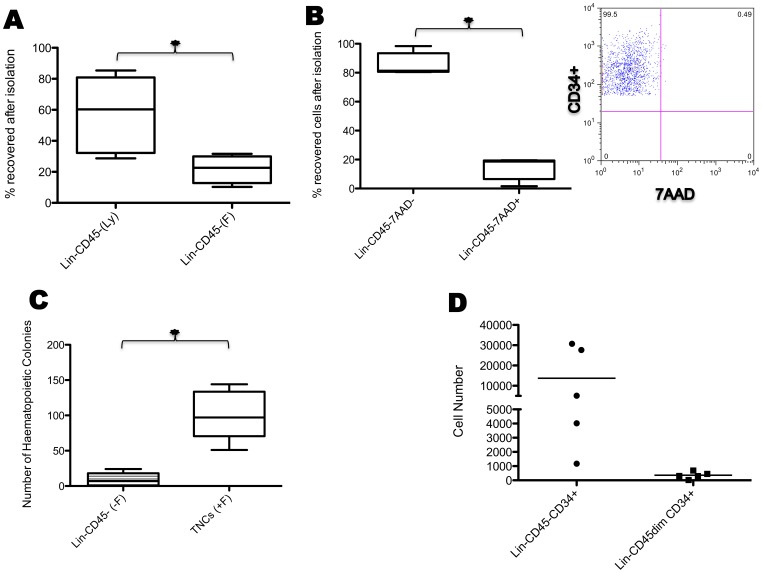
Figure 1. Recovery, viability, and clonogenic potential of the LinCD45 population.
(A) The box plots show the percentage of cells recovered after magnetic isolation using lysing buffer (Ly) or Ficoll gradient centrifugation (F) (*p = 0.0306). (B) The box plots show the percentage of LinCD45 CXCR4+/CD34+/Nestin+ viable (7AAD negative) and dead (7AAD positive) cells using lysing buffer: note that the percentage of viable cells is significantly higher than that of dead cells (n = 5; *p = 0.0001); and the gate shows the 7AAD negative LinCD45CD34+ as an example (Staining for 7AAD and Nestin is not technically possible as Nestin is an intracellular staining). (C) The box plots show the number of colonies formed by cells isolated using lysis buffer after 14 days in culture (n = 5; *p = 0.0005). (D) Absolute count of both LinCD45CD34+ and LinCD45dimCD34+ cells plated in CFUs. CFUs = Colony Forming Units. (–F) = negative fraction. (+F) = positive fraction.
Figure 2
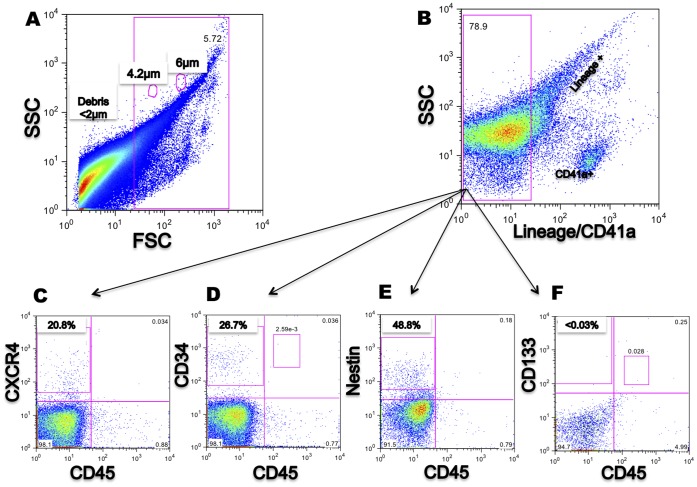
Figure 2. Characterization of cord blood mononuclear cells (CBMCs) isolated using the lysis protocol.
(A) Debris is excluded from the whole CBMC in an open scale using beads as a size marker (4.2 µm and 6 µm). (B) Gate set to exclude Lin+/CD41a+ cells. (C) CXCR4+ is detected in the LinCD45 fraction. (D) CD34+ is detected in the LinCD45 and LinCD45dim fractions. (E) Nestin is detected in the LinCD45 fraction. (F) LinCD45dimCD133+ is detected but CD133+ is not detected in the LinCD45. Events analysed: >100,000.
Figure 3
Figure 3. Characterisation of the LinCD45 population after isolation with magnetic columns.
(A) Debris (<1 µm) is excluded from the negative fraction. (B) Gate shows the exclusion of Lin+/CD41a+ cells as main contaminants and the gating of LinCD45 population. (C, D, E) CD34+, CXCR4+ and Nestin+ are detected in the LinCD45 fraction. (F) CD133+ is not detected in the LinCD45fraction. (C, D, E, and F percentages represent the mean from 4 different samples). Events analysed: >100,000.
Figure 4
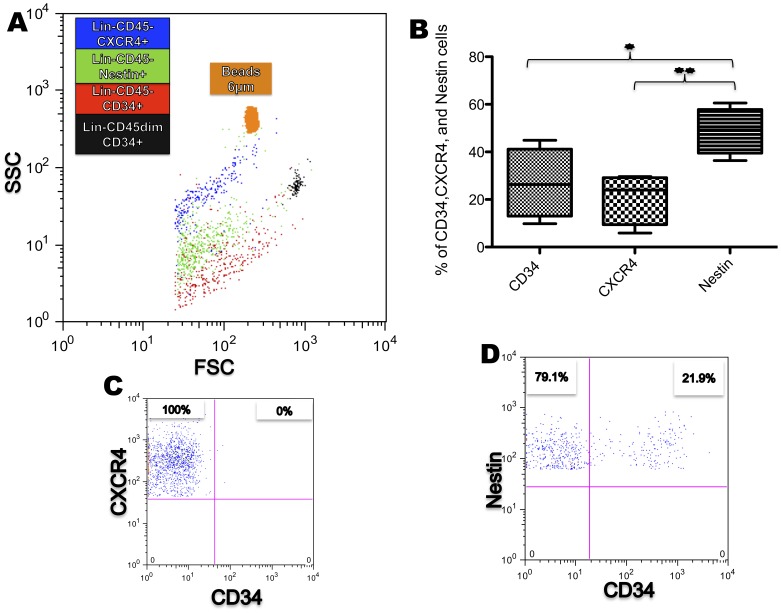
Figure 4. Heterogeneity of the LinCD45 population.
(A) SSC and FSC back gate show CXCR4+, CD34+, and Nestin+ subpopulations compared to specific size beads of 6 µm and the LinCD45dimCD34+ (black); they have the same range of size in FSC but are allocated differently in SSC. (B) The box plot shows the percentage of CD34+, CXCR4+ and Nestin+ cells; note that Nestin+ cells are the larger population within the LinCD45 cell fraction. (n = 4; *p<0.05/**p<0.005). (C) Gate shows that CXCR4+ cells are negative for CD34 (D) Gate shows Nestin+ CD34 and Nestin+ CD34+ cells. (C and D percentages represent the mean from 4 different samples).
Figure 5
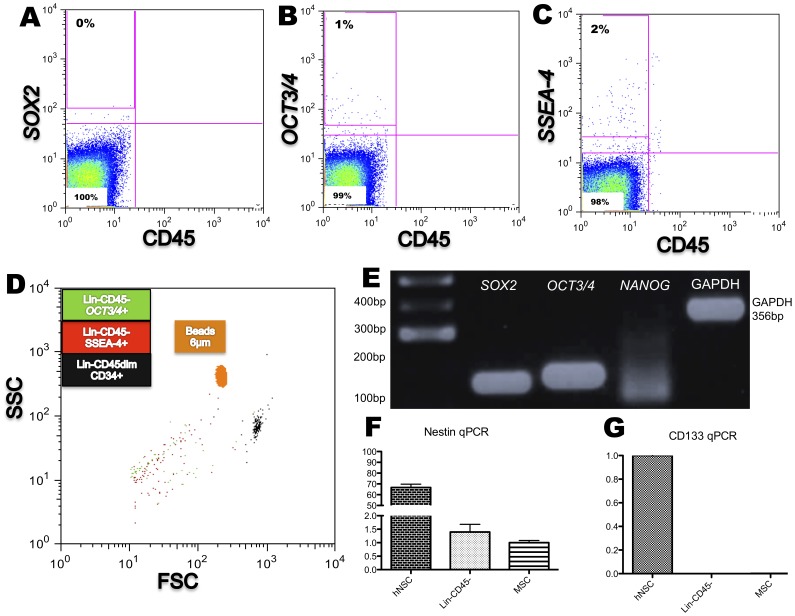
Figure 5. Expression of transcripts typical of pluripotent cells and CD133 in the LinCD45 population.
(A–C) Expression of the embryonic stem cell markers, SSEA-4 and OCT3/4 but not of SOX2 are detected by flow cytometry (percentage represents the mean from 5 different samples). (D) SSC and FSC back gate shows SSEA-4 + and OCT3/4 + subpopulations compared to specific size beads of 6 µm and the LinCD45dimCD34+ (black); they are in the same size range both in FSC or SSC. (E) SOX2, OCT3/4 and NANOG transcripts are detected by RT-PCR. (F and G) Expression of Nestin and CD133 markers by qPCR in human neural (hNSC), in the LinCD45 fraction, and mesenchymal (MSC) stem cells. Nestin is expressed in both LinCD45 cells and MSCs cells though at a much lower level than in hNSC. Note that CD133 mRNA is not detected in the LinCD45 fraction.
Figure 6
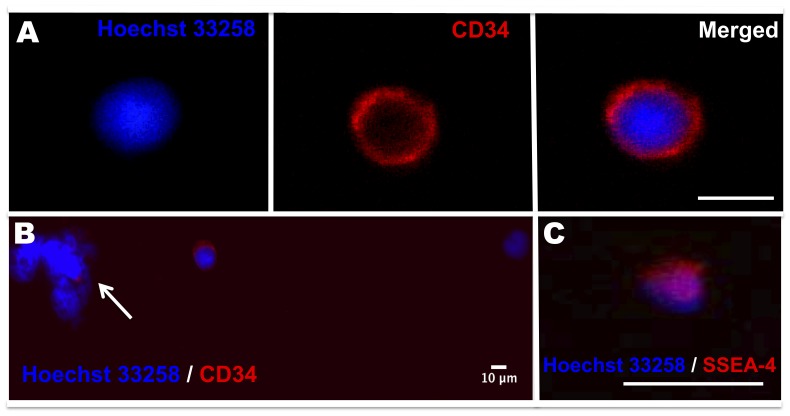
Figure 6. LinCD45 cells show a high nuclear/cytoplasm ratio.
(A) Immunocytochemistry shows small cells (≦10 µm) with high nuclear (blue)/cytoplasm ratio positive for CD34 (red). (B) Note one CD34-positive and one CD34–negative cell and an example of cell debris present in the sample (arrow). (C) Rare SSEA-4–positive cell. Scale bars = 10 µm (AB) and 5 µm (C).

References

    1. Sanberg P, Willing A, Garbuzova-Davis S, Saporta S, Liu G, et al. (2005) Umbilical cord blood-derived stem cells and brain repair. Annals of the New York Academy of Sciences 1049: 67–83. - PubMed
    1. Gonzalez S, Amat L, Azqueta C, Madrigal J, Lailla J, et al. (2009) Factors modulating circulation of hematopoietic progenitor cells in cord blood and neonates. Cytotherapy 11: 35–42. - PubMed
    1. McGuckin C, Jurga M, Ali H, Strbad M, Forraz N (2008) Culture of embryonic-like stem cells from human umbilical cord blood and onward differentiation to neural cells in vitro. Nature protocols 3: 1046–1055. - PubMed
    1. Zuba-Surma E, Klich I, Greco N, Laughlin M, Ratajczak J, et al. (2010) Optimization of isolation and further characterization of umbilical-cord-blood-derived very small embryonic/epiblast-like stem cells (VSELs). European journal of haematology 84: 34–46. - PubMed
    1. Bhartiya D, Shaikh A, Nagvenkar P, Kasiviswanathan S, Pethe P, et al. (2012) Very small embryonic-like stem cells with maximum regenerative potential get discarded during cord blood banking and bone marrow processing for autologous stem cell therapy. Stem cells and development 21: 1–6. - PubMed

Publication types

MeSH terms