The genome sequence of the colonial chordate, Botryllus schlosseri
- PMID: 23840927
- PMCID: PMC3699833
- DOI: 10.7554/eLife.00569
The genome sequence of the colonial chordate, Botryllus schlosseri
Abstract
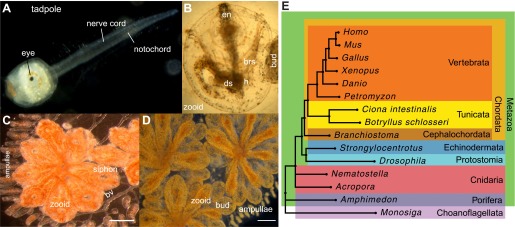
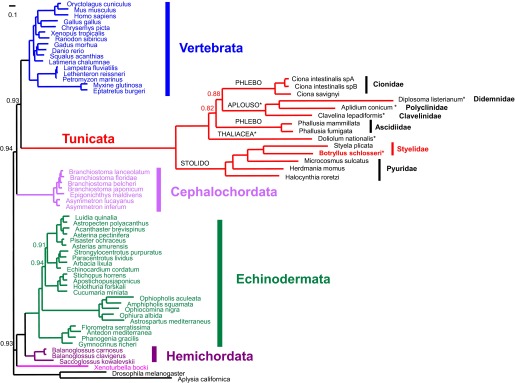
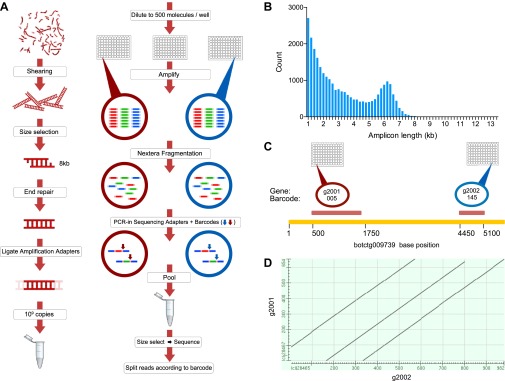
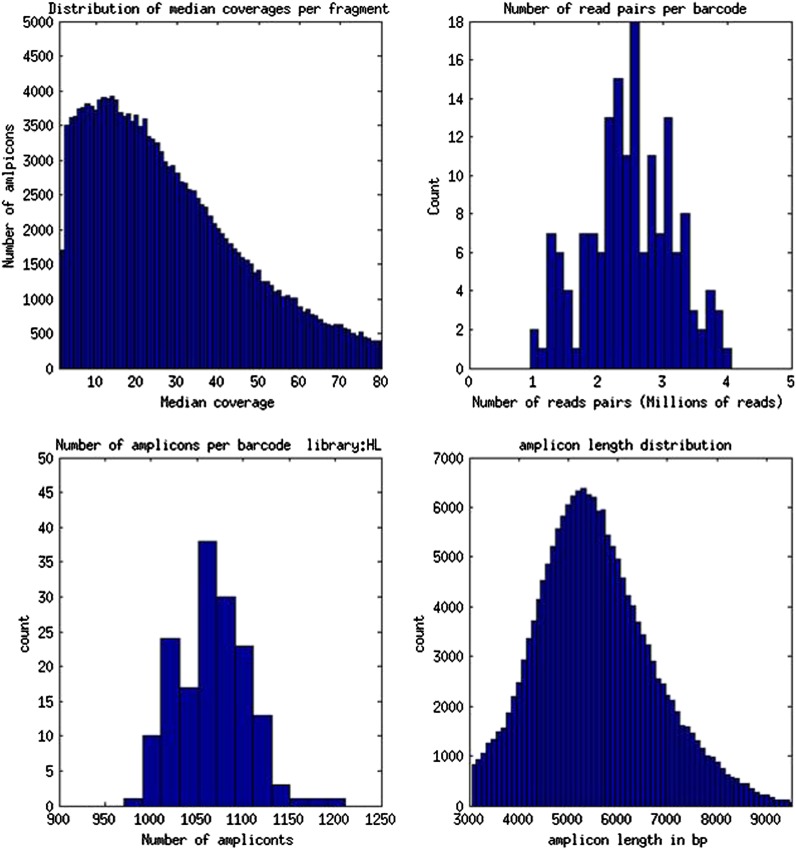
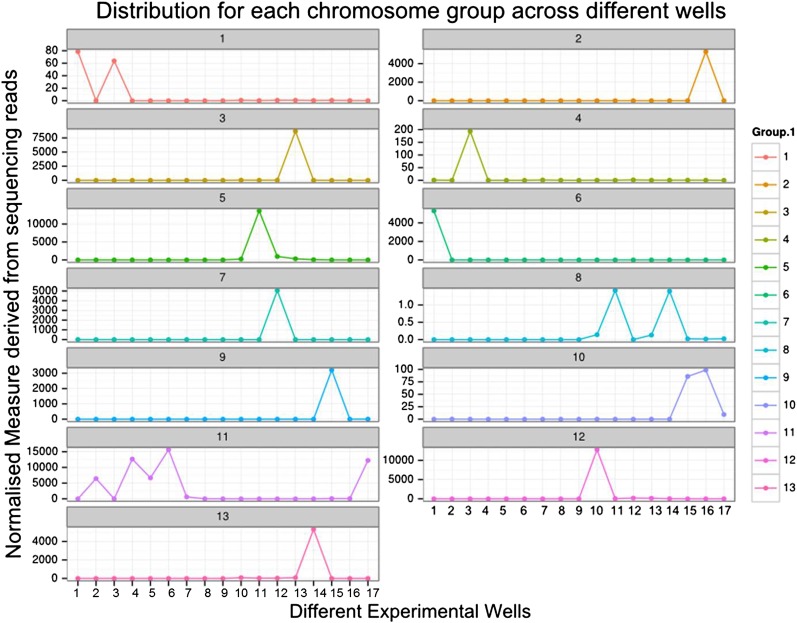
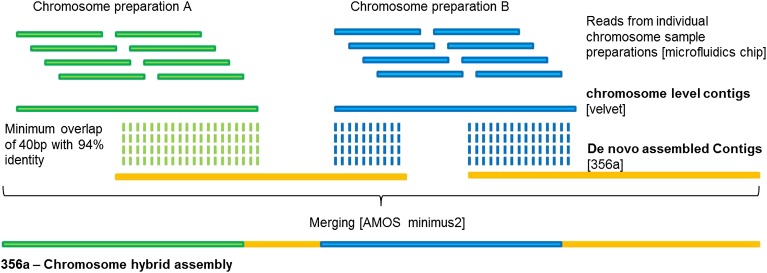
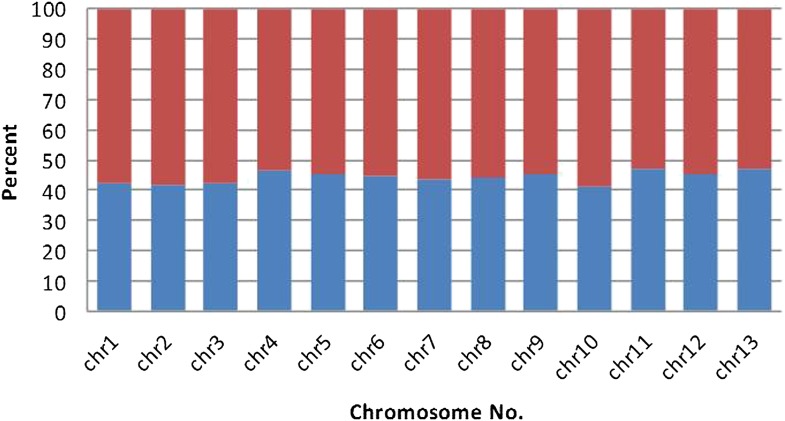
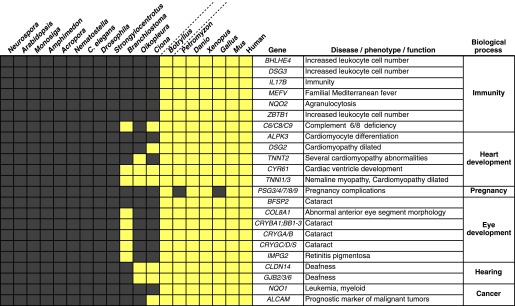
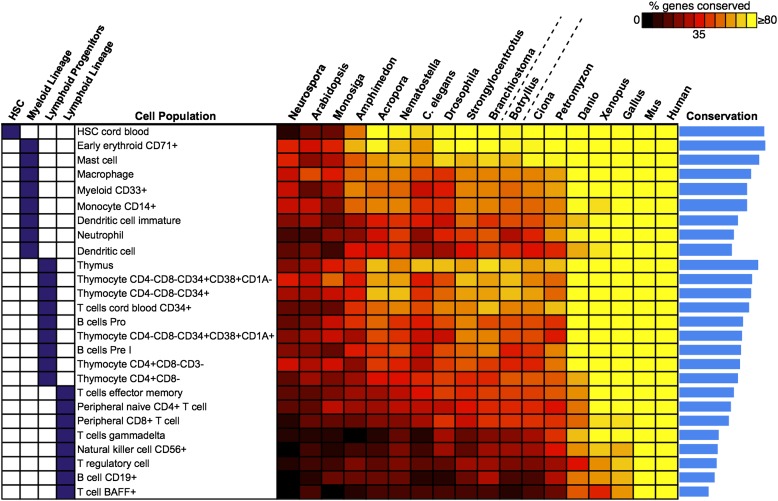
Botryllus schlosseri is a colonial urochordate that follows the chordate plan of development following sexual reproduction, but invokes a stem cell-mediated budding program during subsequent rounds of asexual reproduction. As urochordates are considered to be the closest living invertebrate relatives of vertebrates, they are ideal subjects for whole genome sequence analyses. Using a novel method for high-throughput sequencing of eukaryotic genomes, we sequenced and assembled 580 Mbp of the B. schlosseri genome. The genome assembly is comprised of nearly 14,000 intron-containing predicted genes, and 13,500 intron-less predicted genes, 40% of which could be confidently parceled into 13 (of 16 haploid) chromosomes. A comparison of homologous genes between B. schlosseri and other diverse taxonomic groups revealed genomic events underlying the evolution of vertebrates and lymphoid-mediated immunity. The B. schlosseri genome is a community resource for studying alternative modes of reproduction, natural transplantation reactions, and stem cell-mediated regeneration. DOI:http://dx.doi.org/10.7554/eLife.00569.001.
Keywords: Botryllus schlosseri; Other; genome; hematopoiesis; stem cell; tunicates; vertebrate evolution.
Conflict of interest statement
Stanford has filed US and International patent application numbers 61/532,882 and 13/608,778 entitled “Methods for obtaining a sequence” with inventors AV, DP, and SRQ. DP and SRQ are co-founders of Moleculo Inc.
The other authors declare that no competing interests exist.
Figures
References
Publication types
MeSH terms
Grants and funding
LinkOut - more resources
Full Text Sources
Other Literature Sources
Molecular Biology Databases
Research Materials
Miscellaneous