


The United Kingdom Primary Immune Deficiency (UKPID) Registry: report of the first 4 years' activity 2008-2012
- PMID: 23841717
- PMCID: PMC3898556
- DOI: 10.1111/cei.12172
The United Kingdom Primary Immune Deficiency (UKPID) Registry: report of the first 4 years' activity 2008-2012
Abstract
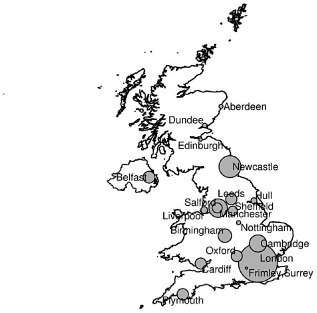
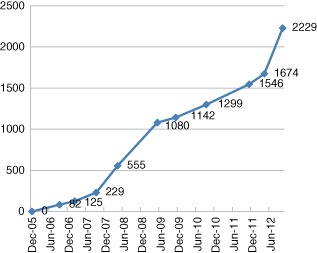
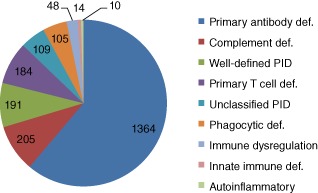
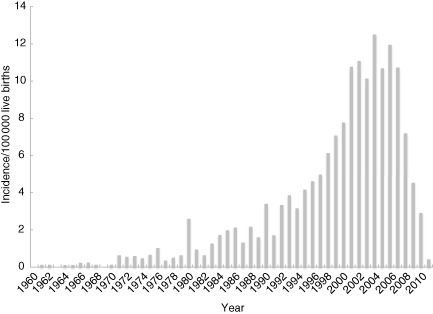
This report summarizes the establishment of the first national online registry of primary immune deficency in the United Kingdom, the United Kingdom Primary Immunodeficiency (UKPID Registry). This UKPID Registry is based on the European Society for Immune Deficiency (ESID) registry platform, hosted on servers at the Royal Free site of University College, London. It is accessible to users through the website of the United Kingdom Primary Immunodeficiency Network (www.ukpin.org.uk). Twenty-seven centres in the United Kingdom are actively contributing data, with an additional nine centres completing their ethical and governance approvals to participate. This indicates that 36 of 38 (95%) of recognized centres in the United Kingdom have engaged with this project. To date, 2229 patients have been enrolled, with a notable increasing rate of recruitment in the past 12 months. Data are presented on the range of diagnoses recorded, estimated minimum disease prevalence, geographical distribution of patients across the United Kingdom, age at presentation, diagnostic delay, treatment modalities used and evidence of their monitoring and effectiveness.
Keywords: human studies; immunodeficiency-primary; infections; intravenous immunoglobulin therapy (IVIG); therapy/immunotherapy.
© 2013 British Society for Immunology.
Figures
References
Publication types
MeSH terms
LinkOut - more resources
Full Text Sources
Other Literature Sources
Miscellaneous
