


Nutritionally mediated oxidative stress and inflammation
- PMID: 23844276
- PMCID: PMC3697417
- DOI: 10.1155/2013/610950
Nutritionally mediated oxidative stress and inflammation
Abstract
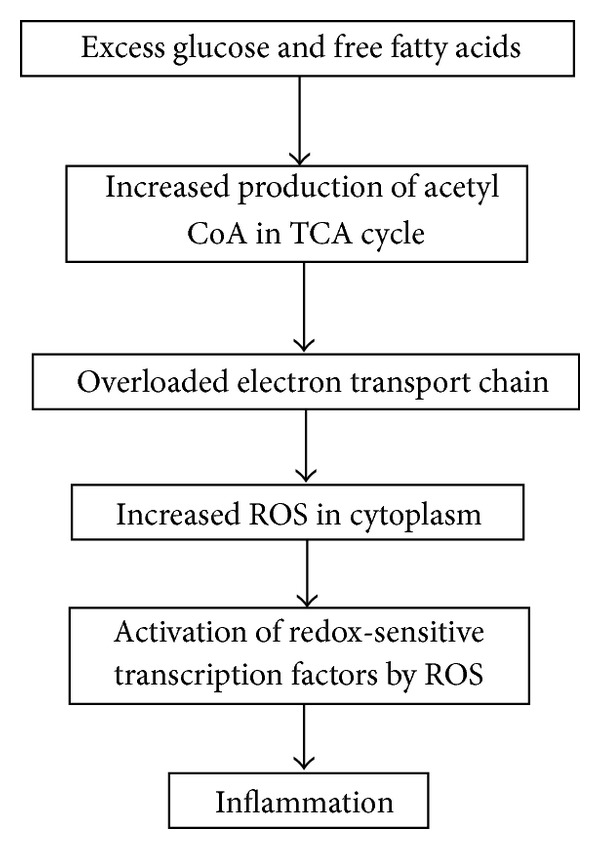
There are many sources of nutritionally mediated oxidative stress that trigger inflammatory cascades along short and long time frames. These events are primarily mediated via NF κ B. On the short-term scale postprandial inflammation is characterized by an increase in circulating levels of IL-6 and TNF- α and is mirrored on the long-term by proinflammatory gene expression changes in the adipocytes and peripheral blood mononuclear cells (PBMCs) of obese individuals. Specifically the upregulation of CCL2/MCP-1, CCL3/MIP-1 α , CCL4/MIP-1 β , CXCL2/MIP-2 α , and CXCL3/MIP-2 β is noted because these changes have been observed in both adipocytes and PBMC of obese humans. In comparing numerous human intervention studies it is clear that pro-inflammatory and anti-inflammatory consumption choices mediate gene expression in humans adipocytes and peripheral blood mononuclear cells. Arachidonic acid and saturated fatty acids (SFAs) both demonstrate an ability to increase pro-inflammatory IL-8 along with numerous other inflammatory factors including IL-6, TNF α , IL-1 β , and CXCL1 for arachidonic acid and IGB2 and CTSS for SFA. Antioxidant rich foods including olive oil, fruits, and vegetables all demonstrate an ability to lower levels of IL-6 in PBMCs. Thus, dietary choices play a complex role in the mediation of unavoidable oxidative stress and can serve to exacerbate or dampen the level of inflammation.
Figures
References
-
- Esposito K, Nappo F, Marfella R, et al. Inflammatory cytokine concentrations are acutely increased by hyperglycemia in humans: role of oxidative stress. Circulation. 2002;106(16):2067–2072. - PubMed
-
- O’Keefe JH, Gheewala NM, O’Keefe JO. Dietary strategies for improving post-prandial glucose, lipids, inflammation, and cardiovascular health. Journal of the American College of Cardiology. 2008;51(3):249–255. - PubMed
-
- van Gaal LF, Mertens IL, de Block CE. Mechanisms linking obesity with cardiovascular disease. Nature. 2006;444(7121):875–880. - PubMed
-
- Monnier L, Mas E, Ginet C, et al. Activation of oxidative stress by acute glucose fluctuations compared with sustained chronic hyperglycemia in patients with type 2 diabetes. Journal of the American Medical Association. 2006;295(14):1681–1687. - PubMed
-
- Ceriello A, Motz E. Is oxidative stress the pathogenic mechanism underlying insulin resistance, diabetes, and cardiovascular disease? The common soil hypothesis revisited. Arteriosclerosis, Thrombosis, and Vascular Biology. 2004;24(5):816–823. - PubMed
Publication types
MeSH terms
Substances
LinkOut - more resources
Full Text Sources
Other Literature Sources
Miscellaneous
