


The role of invariant natural killer T cells in microbial immunity
- PMID: 23846426
- PMCID: PMC3822041
- DOI: 10.1007/s10156-013-0638-1
The role of invariant natural killer T cells in microbial immunity
Abstract
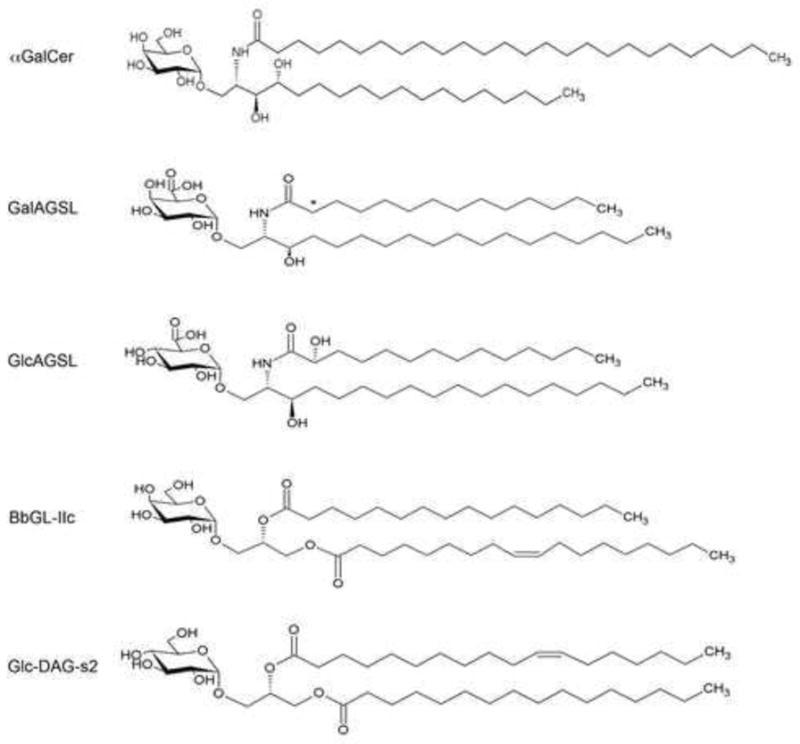
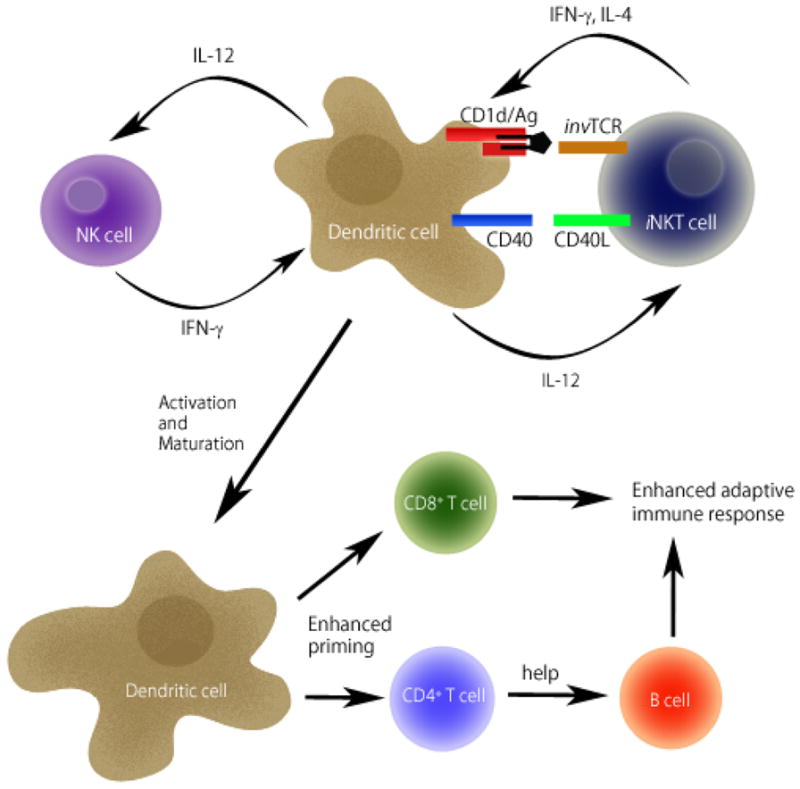
Invariant natural killer T cells (iNKT cells) are unique lymphocytes with characteristic features, such as expression of an invariant T-cell antigen receptor (TCR) α-chain, recognition of glycolipid antigens presented by CD1d molecules, and ability to rapidly produce large amounts of cytokines, including interferon-γ (IFN-γ) and interleukin 4 (IL-4) upon TCR stimulation. Many studies have demonstrated that iNKT cells participate in immune response against diverse microbes, including bacteria, fungi, protozoan parasites, and viruses. Generally, these cells play protective roles in host defense against infections. However, in some contexts they play pathogenic roles, by inducing or augmenting inflammation. Recent reports show that iNKT cells recognize glycolipid antigens from pathogenic bacteria including Streptococcus pneumoniae, and they contribute to host defense against infection. iNKT cell responses to these microbial glycolipid antigens are highly conserved between rodents and humans, suggesting that iNKT cells are evolutionally conserved because their invariant TCR is useful in detecting certain pathogens. Furthermore, glycolipid-mediated iNKT cell activation during immunization has adjuvant activity, enhancing humoral and cell-mediated responses. Therefore, iNKT cell activation is an attractive target for developing new vaccines for infectious diseases.
Conflict of interest statement
None
Figures
References
-
- Tupin E, Kinjo Y, Kronenberg M. The unique role of natural killer T cells in the response to microorganisms. Nat Rev Microbiol. 2007;5:405–17. - PubMed
-
- Taniguchi M, Tashiro T, Dashtsoodol N, Hongo N, Watarai H. The specialized iNKT cell system recognizes glycolipid antigens and bridges the innate and acquired immune systems with potential applications for cancer therapy. Int Immunol. 2010;22:1–6. - PubMed
-
- Brigl M, Brenner MB. How invariant natural killer T cells respond to infection by recognizing microbial or endogenous lipid antigens. Semin Immunol. 2010;22:79–86. - PubMed
Publication types
MeSH terms
Substances
Grants and funding
LinkOut - more resources
Full Text Sources
Other Literature Sources
Medical
