


Putting surveillance data into context: the role of health care utilization surveys in understanding population burden of pneumonia in developing countries
- PMID: 23856423
- PMCID: PMC7103994
- DOI: 10.1016/j.jegh.2012.03.001
Putting surveillance data into context: the role of health care utilization surveys in understanding population burden of pneumonia in developing countries
Abstract
Background: Surveillance is essential to estimating the global burden of pneumonia, yet differences in surveillance methodology and health care-seeking behaviors limit inter-country comparisons.
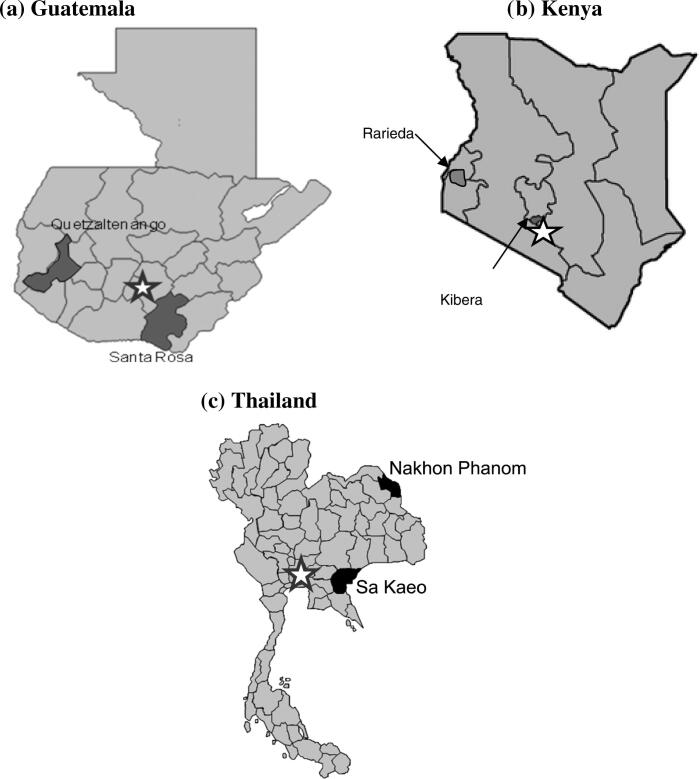
Methods: Results were compared from community surveys measuring health care-seeking for pneumonia defined as: (1) cough and difficulty breathing for ⩾2days; or, (2) provider-diagnosed pneumonia. Surveys were conducted in six sites in Guatemala, Kenya and Thailand; these sites also conduct, active, hospital- and population-based disease surveillance for pneumonia.
Results: Frequency of self-reported pneumonia during the preceding year ranged from 1.1% (Thailand) to 6.3% (Guatemala) and was highest in children aged <5years and in urban sites. The proportion of persons with pneumonia who sought hospital-based medical services ranged from 12% (Guatemala, Kenya) to 80% (Thailand) and was highest in children <5years of age. Hospitals and private provider offices were the most common places where persons with pneumonia sought health care. The most commonly cited reasons for not seeking health care were: (a) mild illness; (b) already recovering; and (3) cost of treatment.
Conclusions: Health care-seeking patterns varied widely across countries. Using results from standardized health care utilization surveys to adjust facility-based surveillance estimates of pneumonia allows for more accurate and comparable estimates.
Keywords: Comparative study; Health care; Patient acceptance of health care; Pneumonia; Population surveillance.
Published by Elsevier Ltd.
Figures
References
-
- Van Beneden CA, Olsen SJ, Skoff TH, Lynfield R. Active, population-based surveillance for infectious diseases. In: M’ikanatha NM, Lynfield R, Van Beneden CA, de Valk H, editors. Infectious disease surveillance. Malden: Blackwell Publishing, Inc.; 2007. pp. 32–43.
-
- Black RE, Cousens S, Johnson HL, et al. Global, regional, and national causes of child mortality in 2008: a systematic analysis. Lancet. 2010 - PubMed
-
- Chamany S, Burapat C, Wannachiawong Y, et al. Assessing the sensitivity of surveillance for pneumonia in rural Thailand. Southeast Asian J Trop Med Public Health. 2008;39:549–56. - PubMed
MeSH terms
LinkOut - more resources
Full Text Sources
Medical
