


Image guided core needle biopsy of musculoskeletal lesions: are nondiagnostic results clinically useful?
- PMID: 23861048
- PMCID: PMC3792259
- DOI: 10.1007/s11999-013-3170-9
Image guided core needle biopsy of musculoskeletal lesions: are nondiagnostic results clinically useful?
Abstract
Background: The clinical utility of nondiagnostic core needle biopsies is not fully understood. Understanding the clinical and radiologic factors associated with nondiagnostic core needle biopsies may help determine the utility of these nondiagnostic biopsies and guide clinical decision making.
Questions/purposes: We asked (1) whether benign or malignant bone and soft tissue lesions have a higher rate of nondiagnostic core needle biopsy results, and which diagnoses have the lowest diagnostic yield; (2) how often nondiagnostic results affected clinical decision-making; and (3) what clinical factors are associated with nondiagnostic but useful core needle biopsies.
Methods: A retrospective study was performed of 778 consecutive image-guided core needle biopsies of bone and soft tissue lesions referred to the musculoskeletal radiology department at a single institution. The reference standard was (1) the final diagnosis at surgery or (2) clinical followup. Diagnostic yield was calculated for the most common diagnoses. Clinical and imaging features related to each nondiagnostic core needle biopsy were assessed for their association with clinical usefulness. Useful nondiagnostic biopsies were defined as those that help guide treatment. Each lesion was assessed before biopsy by the orthopaedic oncologist as (1) "likely to be benign" or (2) "suspicious for malignancy." The overall diagnostic yield was 74%.
Results: Malignant lesions had higher diagnostic yield than benign lesions: 94% (323 of 345) versus 58% (252 of 433), yielding a relative risk (RR) of 1.61 and 95% CI of 1.48 to 1.75. Soft tissue lesions had a higher diagnostic yield than bone lesions: 82% (291 of 355) versus 67% (284 of 423); RR, 1.22; 95% CI, 1.22 (1.12-1.33). Ganglion cyst (36%, four of 11), myositis ossificans (40%, two of five), Langerhans cell histiocytosis (0%, 0 of four), and simple bone cyst 0%, 0 of six) had the lowest diagnostic yield. Of the nondiagnostic biopsies assessed for clinical usefulness by the orthopaedic oncologist, 60% (85 of 142) of the biopsies were useful in guiding clinical decision making. Useful nondiagnostic core needle biopsy results occurred more often in painless, nonaggressive lesions, assessed as "likely to be benign" before biopsy.
Conclusions: Nondiagnostic core needle biopsy results in musculoskeletal lesions are not entirely useless. At times, they can be supportive of benign processes and can help avert unnecessary surgical procedures.
Figures
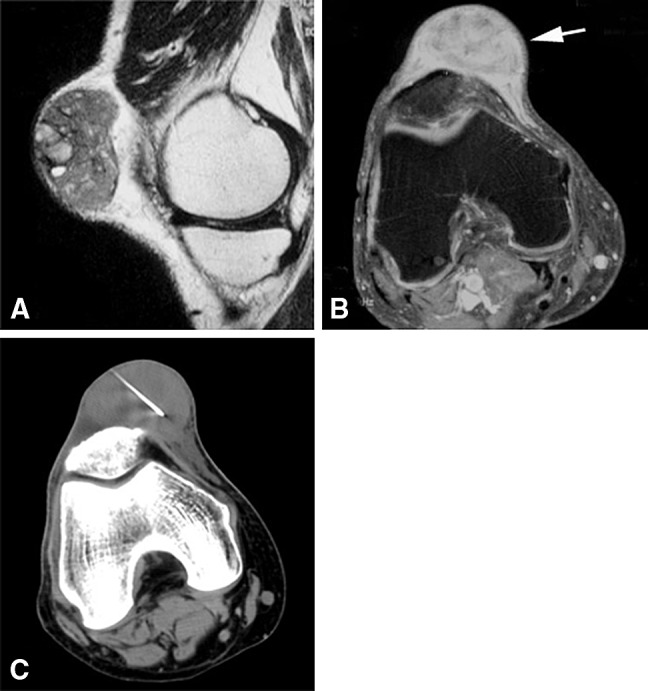
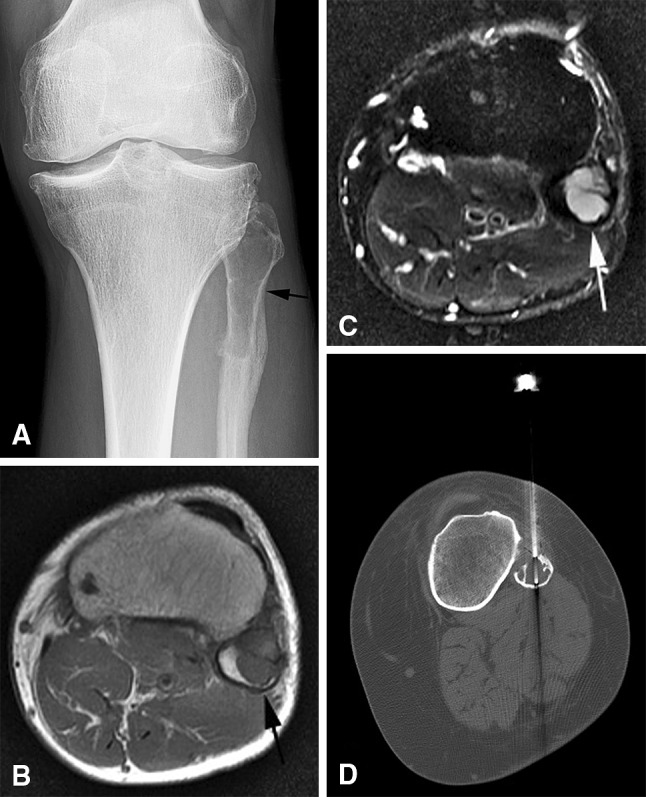
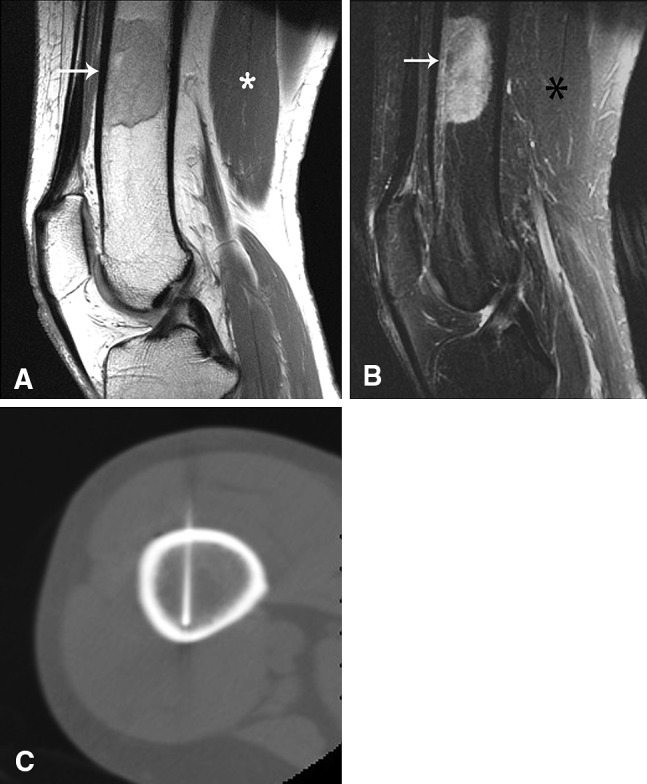
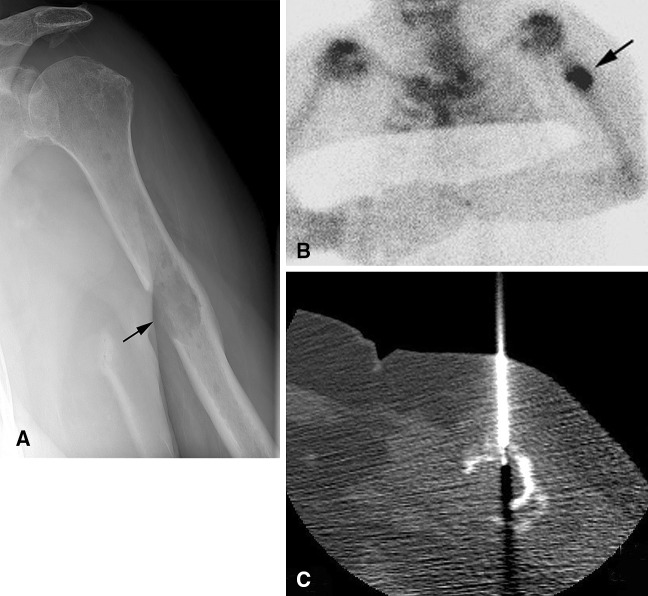
Comment in
-
CORR Insights ®: Image guided core needle biopsy of musculoskeletal lesions: are nondiagnostic results clinically useful?Clin Orthop Relat Res. 2013 Nov;471(11):3610-1. doi: 10.1007/s11999-013-3234-x. Epub 2013 Aug 18. Clin Orthop Relat Res. 2013. PMID: 23955259 Free PMC article. No abstract available.
References
-
- Cronin CG, Cashell T, Mhuircheartaigh JN, Swords R, Murray M, O’Sullivan GJ, O’Keeffe D. Bone biopsy of new suspicious bone lesions in patients with primary carcinoma: prevalence and probability of an alternative diagnosis. AJR Am J Roentgenol. 2009;193:W407–W410. doi: 10.2214/AJR.08.1882. - DOI - PubMed
MeSH terms
LinkOut - more resources
Full Text Sources
Other Literature Sources
