


miR-1915 and miR-1225-5p regulate the expression of CD133, PAX2 and TLR2 in adult renal progenitor cells
- PMID: 23861881
- PMCID: PMC3704645
- DOI: 10.1371/journal.pone.0068296
miR-1915 and miR-1225-5p regulate the expression of CD133, PAX2 and TLR2 in adult renal progenitor cells
Erratum in
-
Correction: miR-1915 and miR-1225-5p Regulate the Expression of CD133, PAX2 and TLR2 in Adult Renal Progenitor Cells.PLoS One. 2015 May 8;10(5):e0128258. doi: 10.1371/journal.pone.0128258. eCollection 2015. PLoS One. 2015. PMID: 25955157 Free PMC article. No abstract available.
Abstract
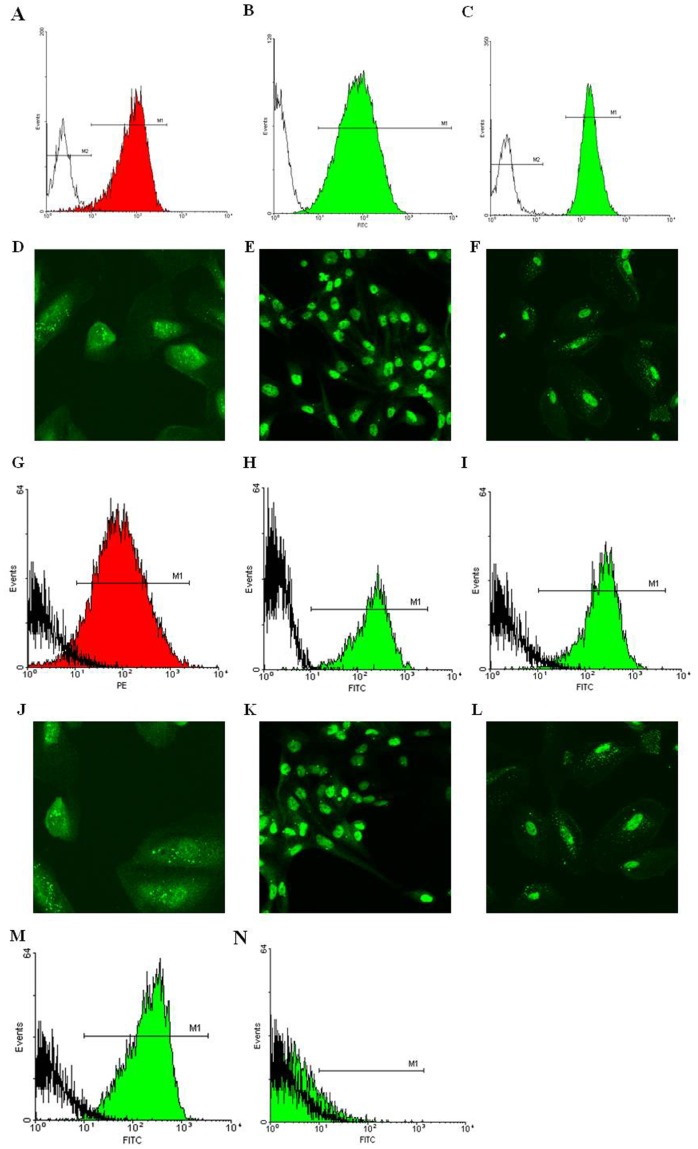
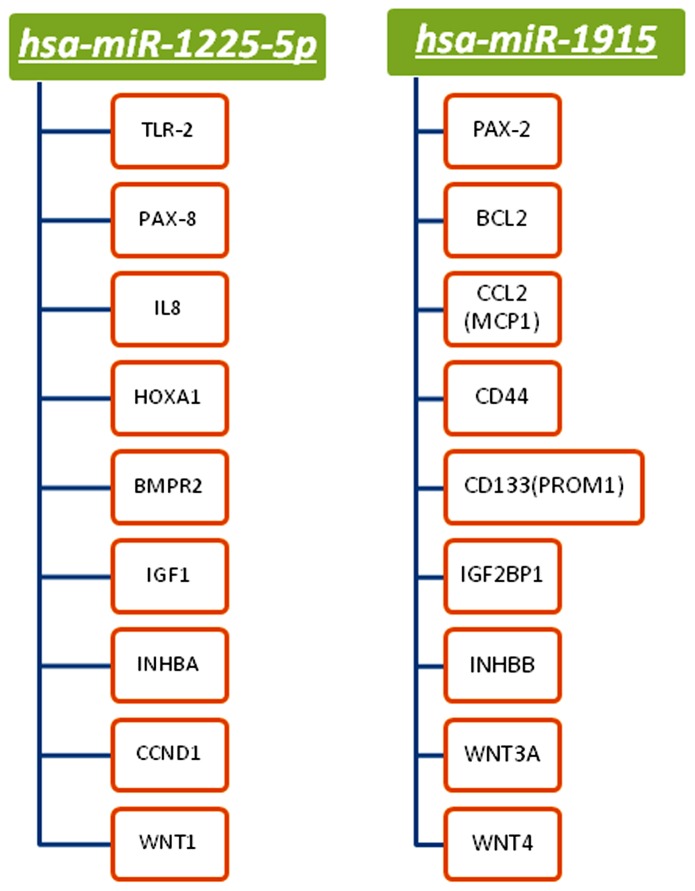
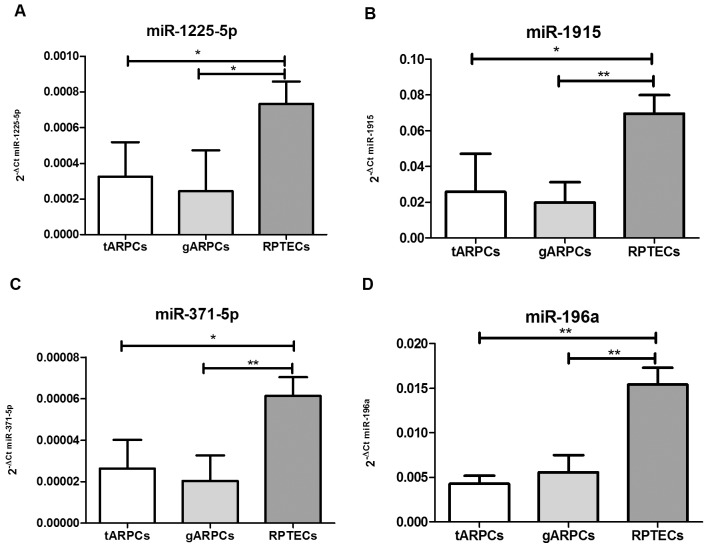
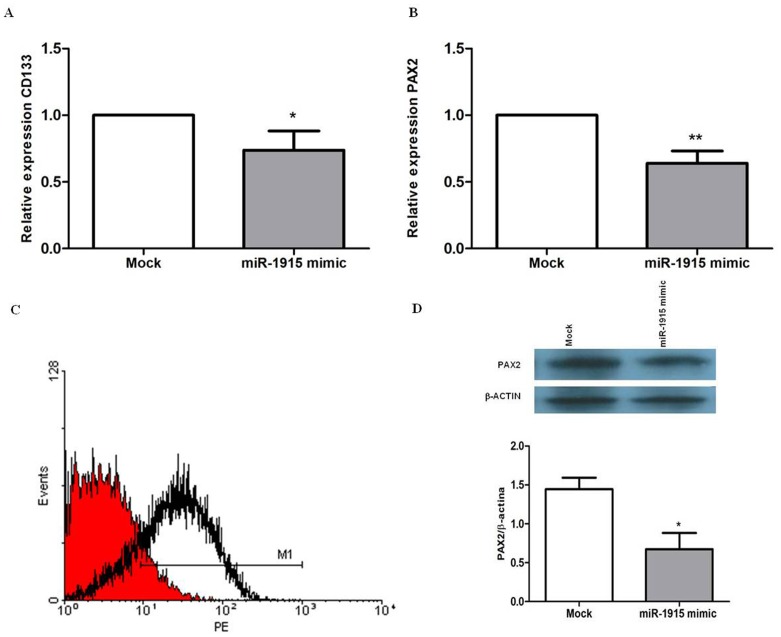
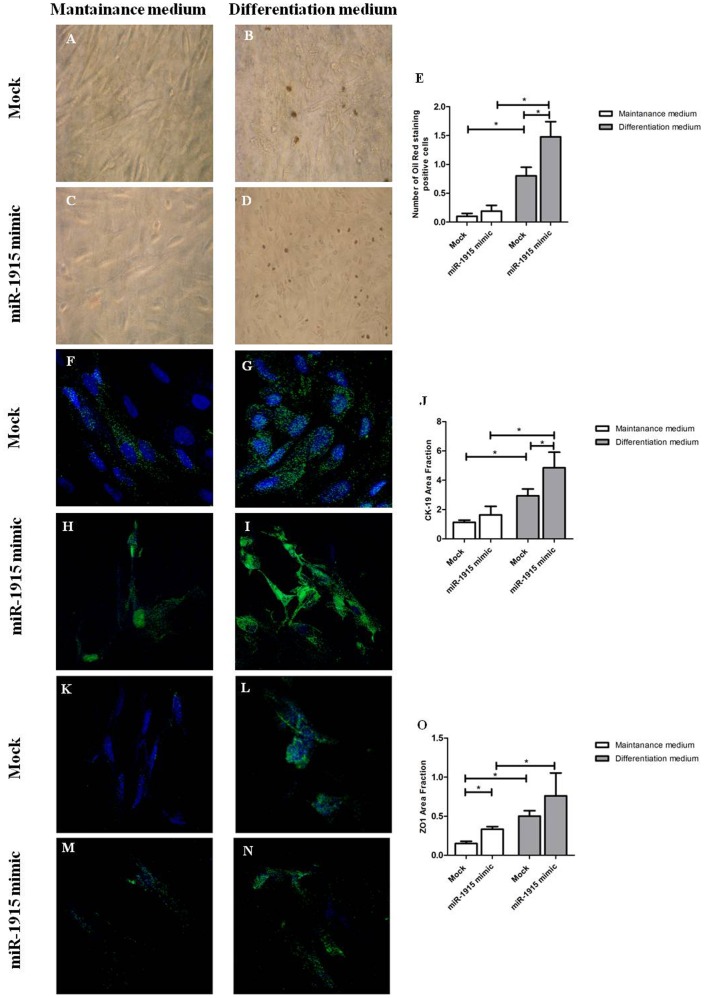
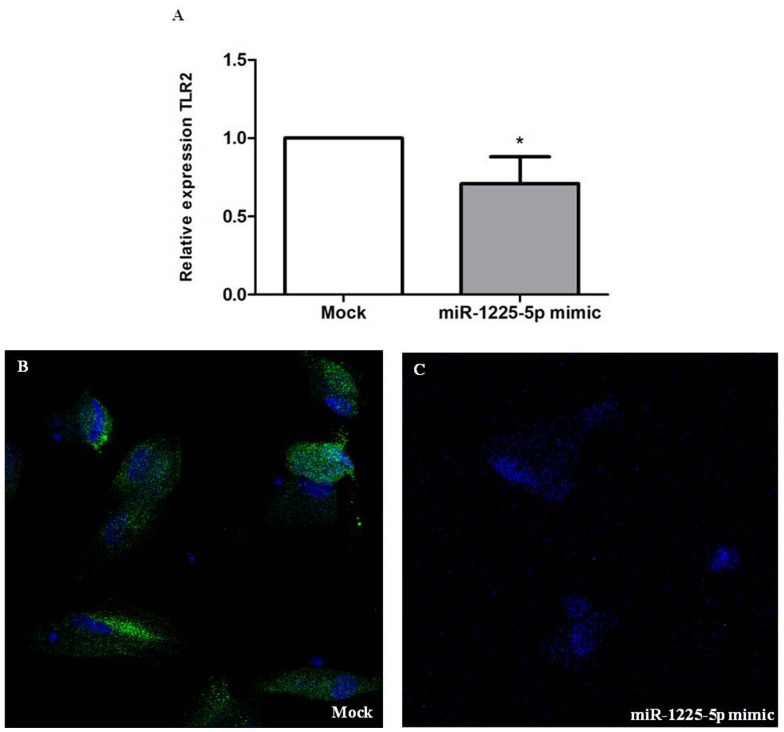
Adult renal progenitor cells (ARPCs) were recently identified in the cortex of the renal parenchyma and it was demonstrated that they were positive for PAX2, CD133, CD24 and exhibited multipotent differentiation ability. Recent studies on stem cells indicated that microRNAs (miRNAs), a class of noncoding small RNAs that participate in the regulation of gene expression, may play a key role in stem cell self-renewal and differentiation. Distinct sets of miRNAs are specifically expressed in pluripotent stem cells but not in adult tissues, suggesting a role for miRNAs in stem cell self-renewal. We compared miRNA expression profiles of ARPCs with that of mesenchymal stem cells (MSCs) and renal proximal tubular cells (RPTECs) finding distinct sets of miRNAs that were specifically expressed in ARPCs. In particular, miR-1915 and miR-1225-5p regulated the expression of important markers of renal progenitors, such as CD133 and PAX2, and important genes involved in the repair mechanisms of ARPCs, such as TLR2. We demonstrated that the expression of both the renal stem cell markers CD133 and PAX2 depends on lower miR-1915 levels and that the increase of miR-1915 levels improved capacity of ARPCs to differentiate into adipocyte-like and epithelial-like cells. Finally, we found that the low levels of miR-1225-5p were responsible for high TLR2 expression in ARPCs. Therefore, together, miR-1915 and miR-1225-5p seem to regulate important traits of renal progenitors: the stemness and the repair capacity.
Conflict of interest statement
Figures

References
-
- Bussolati B, Hauser PV, Carvalhosa R, Camussi G (2009) Contribution of stem cells to kidney repair. Curr Stem Cell Res Ther 4: 2–8. - PubMed
-
- Camussi G, Deregibus MC, Tetta C (2010) Paracrine/endocrine mechanism of stem cells on kidney repair: role of microvesicle-mediated transfer of genetic information. Curr Opin Nephrol Hypertens 19: 7–12. - PubMed
-
- Deregibus MC, Cantaluppi V, Calogero R, Lo Iacono M, Tetta C, et al. (2007) Endothelial progenitor cell derived microvesicles activate an angiogenic program in endothelial cells by a horizontal transfer of mRNA. Blood 110: 2440–2248. - PubMed
-
- Sagrinati C, Netti GS, Mazzinghi B, Lazzeri E, Liotta F, et al. (2006) Isolation and characterization of multipotent progenitor cells from the Bowman's capsule of adult human kidneys. J Am Soc Nephrol 17: 2443–2456. - PubMed
Publication types
MeSH terms
Substances
LinkOut - more resources
Full Text Sources
Other Literature Sources
Medical
Molecular Biology Databases
Research Materials
