


Therapeutic use of traditional Chinese herbal medications for chronic kidney diseases
- PMID: 23868014
- PMCID: PMC3812398
- DOI: 10.1038/ki.2013.276
Therapeutic use of traditional Chinese herbal medications for chronic kidney diseases
Abstract
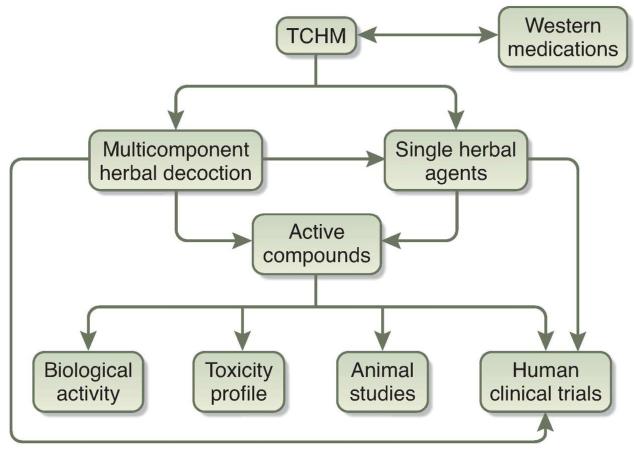
Traditional Chinese herbal medications (TCHMs) are frequently used in conjunction with western pharmacotherapy for treatment of chronic kidney diseases (CKD) in China and many other Asian countries. The practice of traditional Chinese medicine is guided by cumulative empiric experience. Recent in vitro and animal studies have confirmed the biological activity and therapeutic effects of several TCHMs in CKD. However, the level of evidence supporting TCHMs is limited to small, nonrandomized trials. Due to variations in the prescription pattern of TCHMs and the need for frequent dosage adjustment, which are inherent to the practice of traditional Chinese medicine, it has been challenging to design and implement large randomized clinical trials of TCHMs. Several TCHMs are associated with significant adverse effects, including nephrotoxicity. However, reporting of adverse effects associated with TCHMs has been inadequate. To fully realize the therapeutic use of TCHMs in CKD, we need molecular studies to identify active ingredients of TCHMs and their mechanism of action, rigorous pharmacologic studies to determine the safety and meet regulatory standards required for clinical therapeutic agents, and well-designed clinical trials to provide evidence-based support of their safety and efficacy.
Figures
References
-
- de Zeeuw D. Unmet need in renal protection--do we need a more comprehensive approach? Contrib Nephrol. 2011;171:157–160. - PubMed
-
- Li X, Wang H. Chinese herbal medicine in the treatment of chronic kidney disease. Adv Chronic Kidney Dis. 2005;12:276–281. - PubMed
-
- Wojcikowski K, Johnson DW, Gobe G. Herbs or natural substances as complementary therapies for chronic kidney disease: ideas for future studies. J Lab Clin Med. 2006;147:160–166. - PubMed
-
- Peng A, Gu Y, Lin SY. Herbal treatment for renal diseases. Ann Acad Med Singapore. 2005;34:44–51. - PubMed
-
- Liu CC, C X, Fang XW. Essentials of Traditional Chinese Medicine. In: XC X, editor. The English-Chinese Encyclopedia of Practical Traditional Chinese Medicine. Vol. 1. Higher Education Press of China; Beijing: 1991. pp. 1–4.
Publication types
MeSH terms
Substances
Grants and funding
LinkOut - more resources
Full Text Sources
Other Literature Sources
Medical
