. 2013 Jul 15;8(7):e66318.
doi: 10.1371/journal.pone.0066318. Print 2013.

Environmentally induced transgenerational epigenetic reprogramming of primordial germ cells and the subsequent germ line

Affiliations

Environmentally induced transgenerational epigenetic reprogramming of primordial germ cells and the subsequent germ line

Michael K Skinner et al. PLoS One. .

Erratum in

  • PLoS One. 2013;8(7). doi:10.1371/annotation/7683bb48-85db-4c7e-87c0-304a7d53a587

Abstract

A number of environmental factors (e.g. toxicants) have been shown to promote the epigenetic transgenerational inheritance of disease and phenotypic variation. Transgenerational inheritance requires the germline transmission of altered epigenetic information between generations in the absence of direct environmental exposures. The primary periods for epigenetic programming of the germ line are those associated with primordial germ cell development and subsequent fetal germline development. The current study examined the actions of an agricultural fungicide vinclozolin on gestating female (F0 generation) progeny in regards to the primordial germ cell (PGC) epigenetic reprogramming of the F3 generation (i.e. great-grandchildren). The F3 generation germline transcriptome and epigenome (DNA methylation) were altered transgenerationally. Interestingly, disruptions in DNA methylation patterns and altered transcriptomes were distinct between germ cells at the onset of gonadal sex determination at embryonic day 13 (E13) and after cord formation in the testis at embryonic day 16 (E16). A larger number of DNA methylation abnormalities (epimutations) and transcriptional alterations were observed in the E13 germ cells than in the E16 germ cells. These observations indicate that altered transgenerational epigenetic reprogramming and function of the male germline is a component of vinclozolin induced epigenetic transgenerational inheritance of disease. Insights into the molecular control of germline transmitted epigenetic inheritance are provided.


Conflict of interest statement

Competing Interests: The authors have declared that no competing interests exist.

Figures

Figure 1
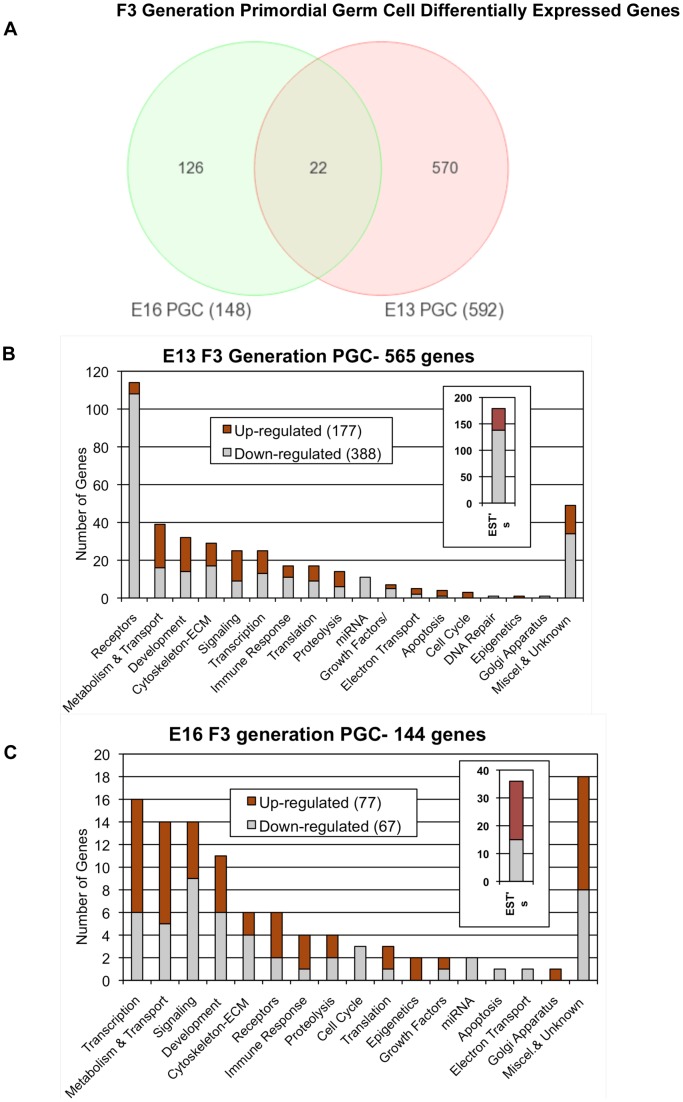
Figure 1. Genes with mRNA expression levels significantly different between control and vinclozolin lineage F3 generation germ cells at E13 and E16.
(A) Number of differentially expressed genes unique to E13 PGCs, unique to E16 prospermatogonia, and common to both. (B and C) Numbers of differentially expressed genes in germ cells categorized by function for; (B) E13 and (C) E16.
Figure 2
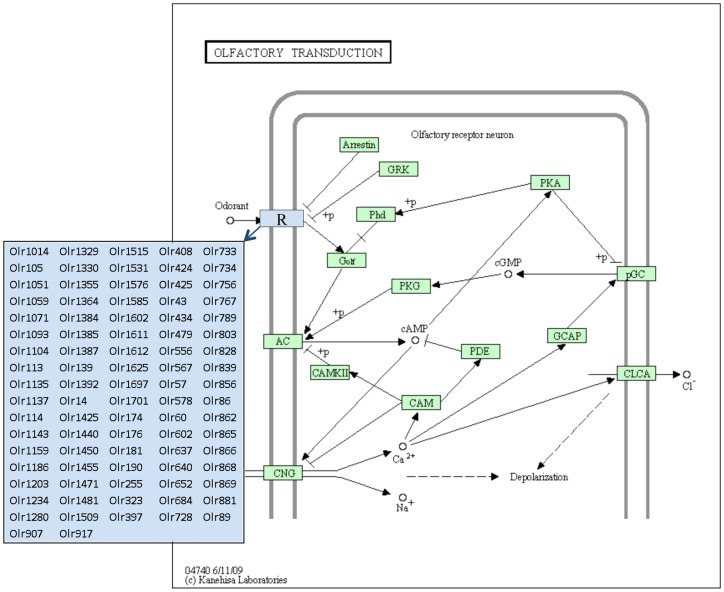
Figure 2. Olfactory Transduction Pathway showing olfactory receptor genes differentially expressed between F3 generation E13 PGC vinclozolin and control lineage rats.
Adapted from Kyoto Encyclopedia of Genes and Genomes pathway rno04740.
Figure 3
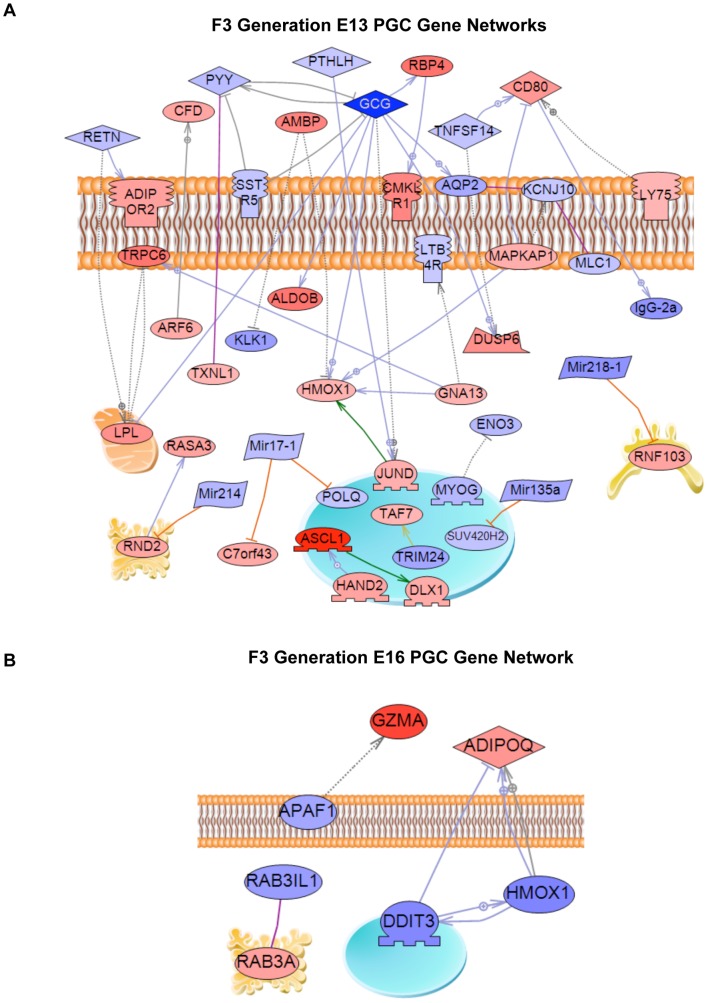
Figure 3. Gene network of known relationships among those genes differentially expressed in control- compared to vinclozolin lineage F3 generation germ cells.
(A) E13 network, (B) E16 network. Gene node shape code: oval and circle – protein; diamond – ligand; irregular polygon – phosphatase; circle/oval on tripod platform – transcription factor; ice cream cone – receptor. Red colored nodes are up-regulated genes, blue color are down-regulated genes. Grey connecters represent general regulation, blue – expression regulation, purple – binding, green – promoter binding, orange – microRNA effect. Cell membrane, nucleus, mitochondria, endoplasmic reticulum and golgi localizations are indicated. Network was derived using Pathway Studio™ software.
Figure 4
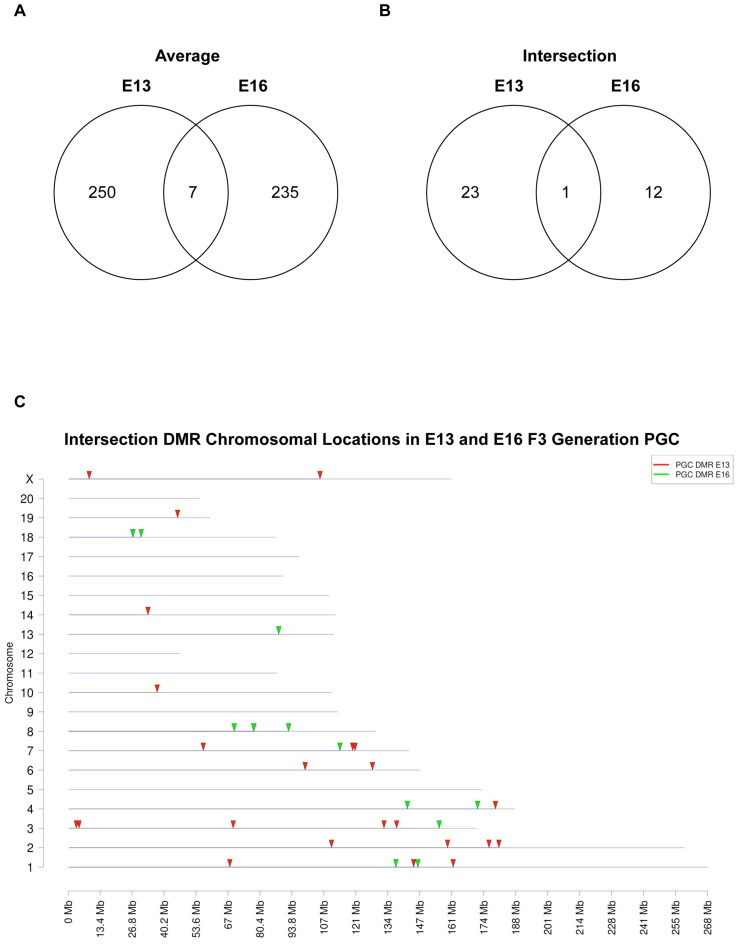
Figure 4. Number of vinclozolin induced transgenerational DMR detected in F3 generation E13 and E16 germ cells, using two different bioinformatic analyses.
(A) The analysis is performed by averaging data from three comparative MeDIP-Chip per developmental time using a statistical cut-off of p<10−4. (B) The analysis is performed by selecting only the DMR that repeatedly appeared as significantly changed in all MeDIP-Chip comparisons (intersection) using a cut-off of p<10−4. (C) A graphical representation of the DMR location in all chromosomes in the rat that were obtained through the intersection analysis for both E13 and E16 germ cell DMR.
Figure 5
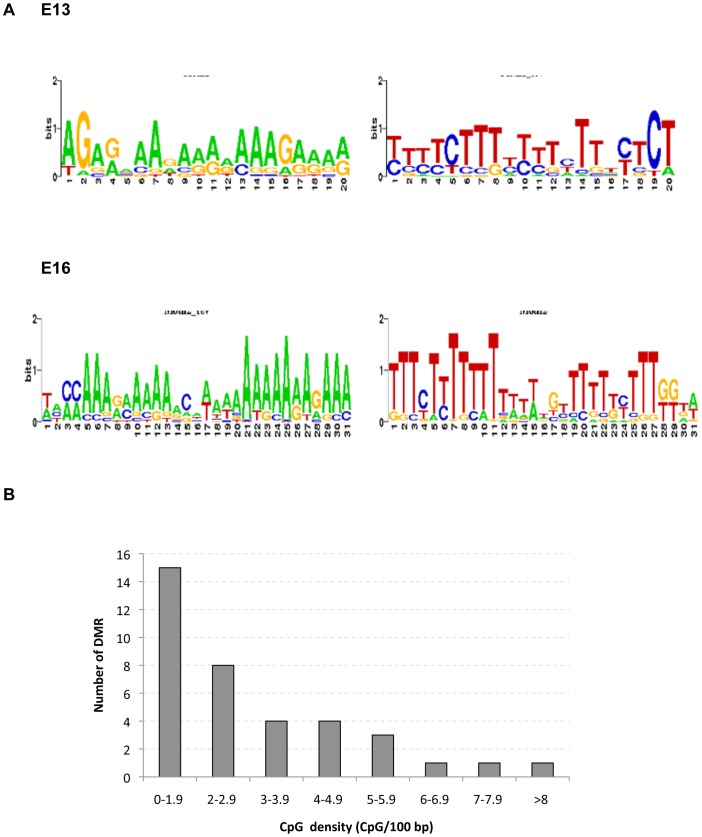
Figure 5. Genomic features of the DMR identified.
(A) The forward and reverse sequence motifs obtained with the MEME suite tool GLAM2 for the vinclozolin induced transgenerational DMR from E13 and E16 F3 generation germ cells. (B) Shows the distribution of CpG sites (CpG/100bp) in vinclozolin induced transgenerational DMR obtained from both the E13 and E16 germ cells.
Figure 6
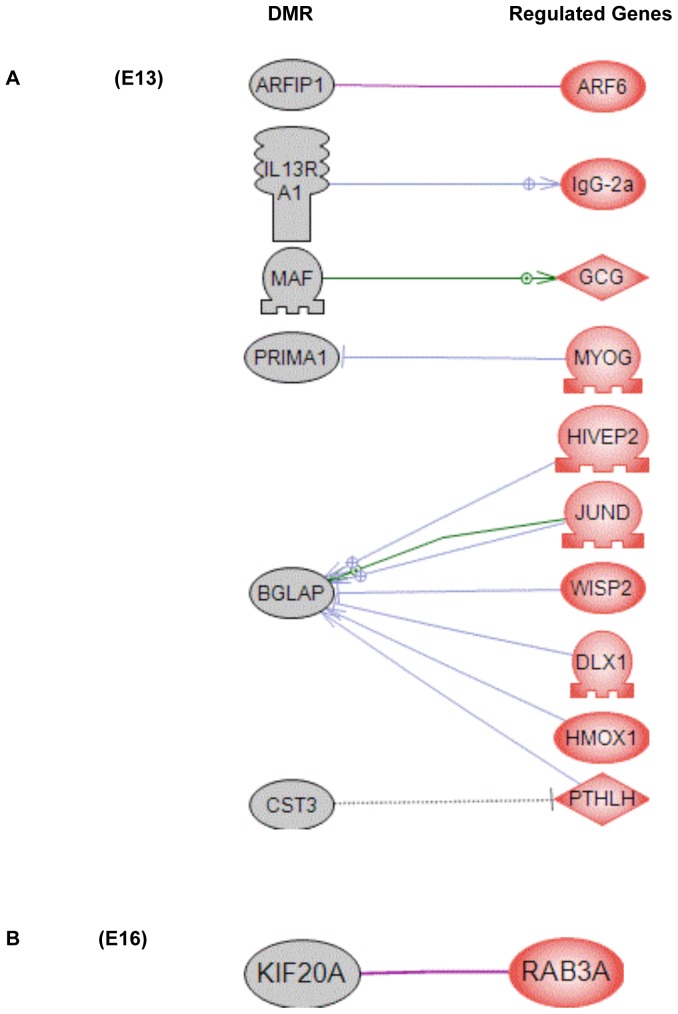
Figure 6. Known relationships between genes having DMR in their promoter regions (grey nodes) and differentially expressed genes (red nodes) in control- compared to vinclozolin lineage F3 generation germ cells from: (A) E13 and (B) E16.
Gene node shape code: oval and circle – protein; diamond – ligand; circle/oval on tripod platform – transcription factor; ice cream cone – receptor. Grey connecters represent general regulation, blue – expression regulation, purple – binding, green – promoter binding. Network was derived using Pathway Studio™ software.

References

    1. Anway MD, Cupp AS, Uzumcu M, Skinner MK (2005) Epigenetic transgenerational actions of endocrine disruptors and male fertility. Science 308: 1466–1469. - PMC - PubMed
    1. Skinner MK, Manikkam M, Guerrero-Bosagna C (2010) Epigenetic transgenerational actions of environmental factors in disease etiology. Trends Endocrinol Metab 21: 214–222. - PMC - PubMed
    1. Anway MD, Leathers C, Skinner MK (2006) Endocrine disruptor vinclozolin induced epigenetic transgenerational adult-onset disease. Endocrinology 147: 5515–5523. - PMC - PubMed
    1. Hajkova P, Erhardt S, Lane N, Haaf T, El-Maarri O, et al. (2002) Epigenetic reprogramming in mouse primordial germ cells. Mech Dev 117: 15–23. - PubMed
    1. Hemberger M, Dean W, Reik W (2009) Epigenetic dynamics of stem cells and cell lineage commitment: digging Waddington’s canal. Nat Rev Mol Cell Biol 10: 526–537. - PubMed

Publication types