


The man who feels two hearts: the different pathways of interoception
- PMID: 23887813
- PMCID: PMC4158360
- DOI: 10.1093/scan/nst108
The man who feels two hearts: the different pathways of interoception
Abstract
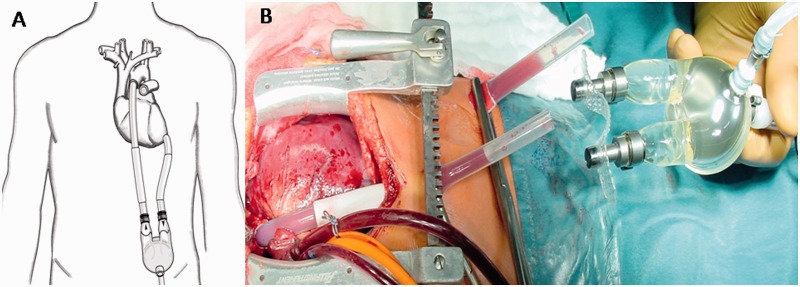
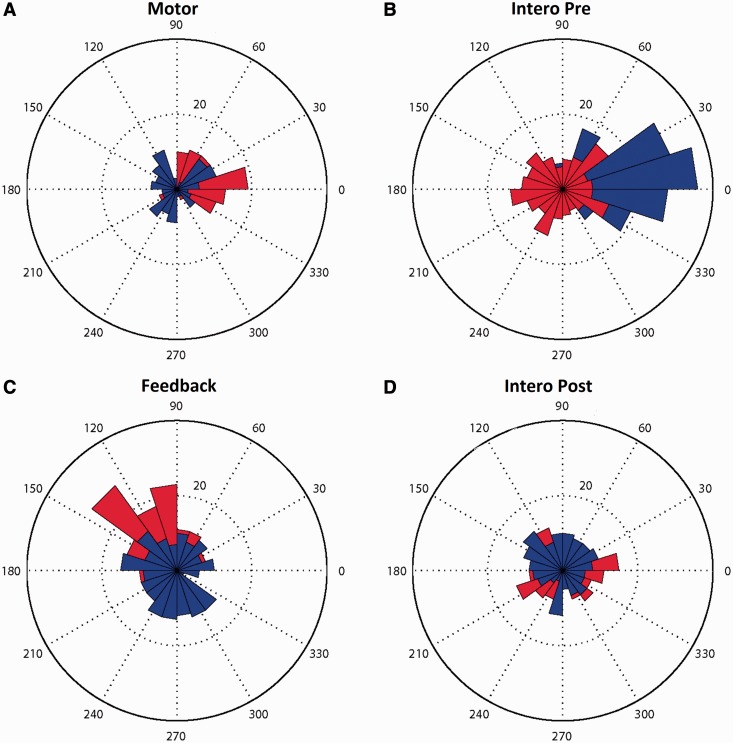
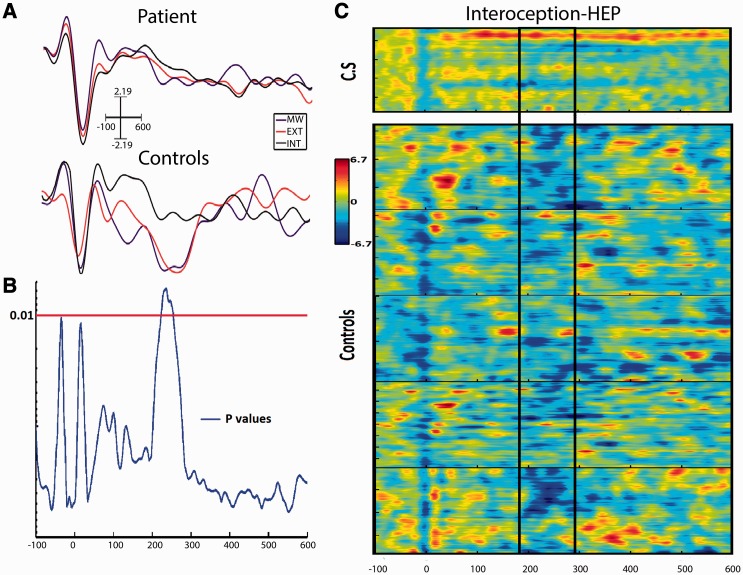
Recent advances in neuroscience have provided new insights into the understanding of heart-brain interaction and communication. Cardiac information to the brain relies on two pathways, terminating in the insular cortex (IC) and anterior cingulate cortex (ACC), along with the somatosensory cortex (S1-S2). Interoception relying on these neuroanatomical pathways has been shown to modulate social cognition. We report the case study of C.S., a patient with an 'external heart' (an extracorporeal left-univentricular cardiac assist device, LVAD). The patient was assessed with neural/behavioral measures of cardiac interoception complemented by neuropsychological and social cognition measures. The patient's performance on the interoception task (heartbeat detection) seemed to be guided by signals from the artificial LVAD, which provides a somatosensory beat rather than by his endogenous heart. Cortical activity (HEP, heartbeat-evoked potential) was found decreased in comparison with normal volunteers, particularly during interoceptive states. The patient accurately performed several cognitive tasks, except for interoception-related social cognition domains (empathy, theory of mind and decision making). This evidence suggests an imbalance in the patient's cardiac interoceptive pathways that enhances sensation driven by the artificial pump over that from the cardiac vagal-IC/ACC pathway. A patient with two hearts, one endogenous and one artificial, presents a unique opportunity to explore models of interoception and heart-brain interaction.
Keywords: HEP; heart-brain; insula; interoception; social cognition.
© The Author (2013). Published by Oxford University Press. For Permissions, please email: journals.permissions@oup.com.
Figures
References
-
- Baron-Cohen S, Jolliffe T, Mortimore C, Robertson M. Another advanced test of theory of mind: evidence from very high functioning adults with autism or asperger syndrome. Journal of Child Psychology and Psychiatry. 1997;38(7):813–22. - PubMed
-
- Bechara A, Naqvi N. Listening to your heart: interoceptive awareness as a gateway to feeling. Nature Neuroscience. 2004;7(2):102–3. - PubMed
-
- Brainard DH. The psychophysics toolbox. Spatial Vision. 1997;10(4):433–6. - PubMed
-
- Cameron OG. Visceral Sensory Neuroscience: Interoception. New York: Oxford University Press; 2002.
Publication types
MeSH terms
LinkOut - more resources
Full Text Sources
Other Literature Sources
Medical
