


Incidence and management of life-threatening adverse events during cardiac catheterization for congenital heart disease
- PMID: 23900744
- PMCID: PMC3882522
- DOI: 10.1007/s00246-013-0752-y
Incidence and management of life-threatening adverse events during cardiac catheterization for congenital heart disease
Abstract
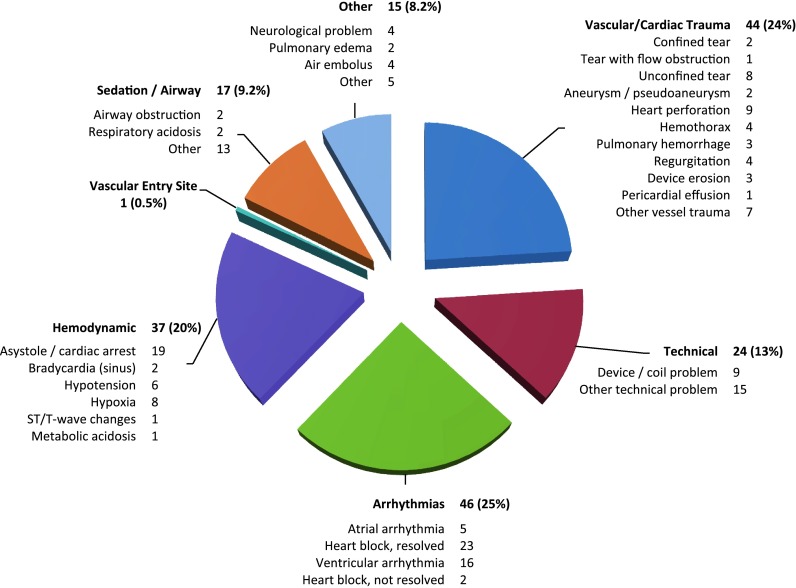
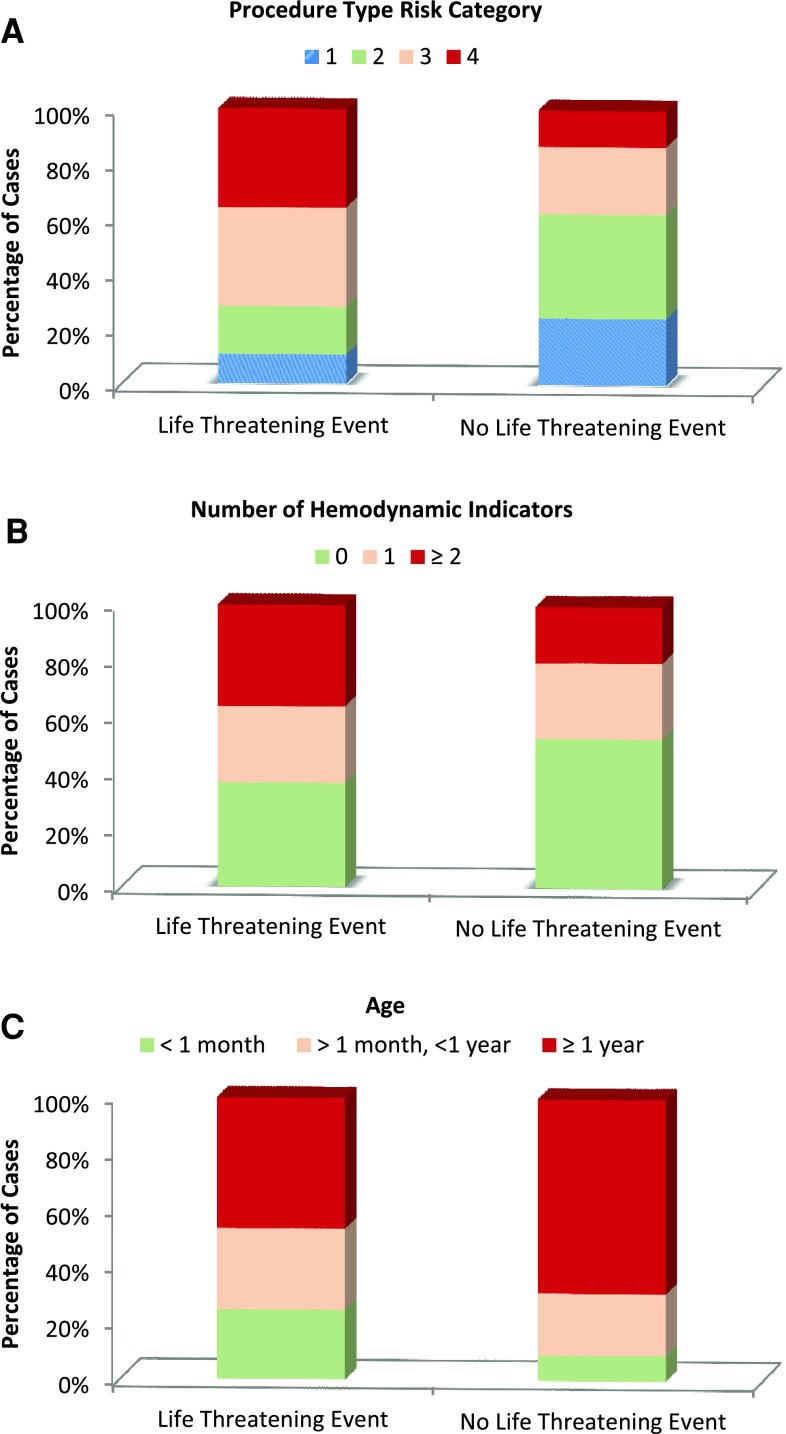
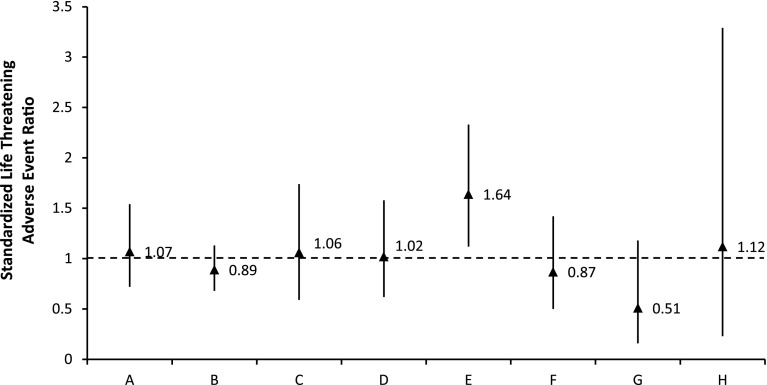
Continued advancements in congenital cardiac catheterization and interventions have resulted in increased patient and procedural complexity. Anticipation of life-threatening events and required rescue measures is a critical component to preprocedural preparation. We sought to determine the incidence and nature of life-threatening adverse events in congenital and pediatric cardiac catheterization, risk factors, and resources necessary to anticipate and manage events. Data from 8905 cases performed at the 8 participating institutions of the Congenital Cardiac Catheterization Project on Outcomes were captured between 2007 and 2010 [median 1,095/site (range 133-3,802)]. The incidence of all life-threatening events was 2.1 % [95 % confidence interval (CI) 1.8-2.4 %], whereas mortality was 0.28 % (95 % CI 0.18-0.41 %). Fifty-seven life-threatening events required cardiopulmonary resuscitation, whereas 9 % required extracorporeal membrane oxygenation. Use of a risk adjustment model showed that age <1 year [odd ratio (OR) 1.9, 95 % CI 1.4-2.7, p < 0.001], hemodynamic vulnerability (OR 1.6, 95 % CI 1.1-2.3, p < 0.01), and procedure risk (category 3: OR 2.3, 95 % CI 1.3-4.1; category 4: OR 4.2, 95 % CI 2.4-7.4) were predictors of life-threatening events. Using this model, standardized life-threatening event ratios were calculated, thus showing that one institution had a life-threatening event rate greater than expected. Congenital cardiac catheterization and intervention can be performed safely with a low rate of life-threatening events and mortality; preprocedural evaluation of risk may optimize preparation of emergency rescue and bailout procedures. Risk predictors (age < 1, hemodynamic vulnerability, and procedure risk category) can enhance preprocedural patient risk stratification and planning.
Figures
References
-
- Bergersen L, Marshall A, Gauvreau K, et al. Adverse event rates in congenital cardiac catheterization—multicenter experience. Cathet Cardivasc Interv. 2010;75:389–400. - PubMed
Publication types
MeSH terms
Grants and funding
LinkOut - more resources
Full Text Sources
Other Literature Sources
Medical
