


Study on Impact of Clinical Pharmacist's Interventions in the Optimal Use of Oral Anticoagulants in Stroke Patients
- PMID: 23901161
- PMCID: PMC3719150
- DOI: 10.4103/0250-474X.113550
Study on Impact of Clinical Pharmacist's Interventions in the Optimal Use of Oral Anticoagulants in Stroke Patients
Abstract
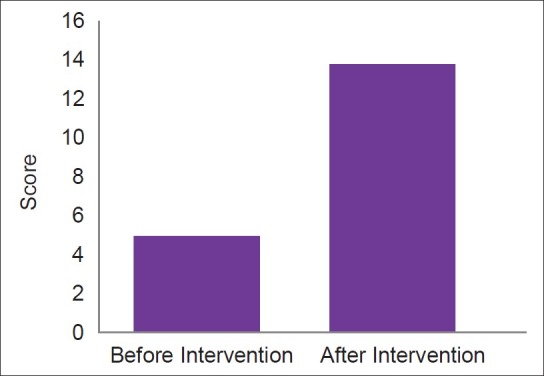
Anticoagulants are very useful medications but can also lead to haemorrhagic as well as thromboembolic complications when not used correctly or without proper medical attention. Anticoagulant's complex pharmacology and pharmacokinetics contribute to its narrow margin of safety. Pharmacist's unique knowledge of pharmacology, pharmacokinetics and interactions makes them well-suited to assist patients in maintaining safe and effective anticoagulation. Successful anticoagulation therapy implies fewer incidences of therapeutic failures and bleeding complications. The anticoagulation management service staffed by clinical pharmacists is a service established to monitor and manage oral and parenteral anticoagulants. In this research work, 40 patients each were included in the intervention and the control groups. In the intervention group, patient's knowledge score on anticoagulation increased from an average of 5.6±3.2 to 13.8±0.94 (P=0.000) after clinical pharmacist's counselling, whereas in the control group there was no significant improvement in patient's baseline knowledge over the knowledge score at the end of the study (8.0±1.59 vs. 8.3±2.6) (P=0.218). In the intervention group, 73.45% of the international normalised ratio test results were within the therapeutic range, 8.45% supratherapeutic and 18.5% subtherapeutic during the 6 months data collection period. The corresponding data for the control group were 53.2 (P=0.000), 18.4 (P=0.000) and 28.4% (P=0.002), respectively. Forty four adverse drug reactions (ADRs) related to anticoagulants were identified in the intervention group as compared to 56 in the control group. These results revealed that the clinical pharmacist's involvement in the anticoagulation management improved the therapeutic outcome of patients and demonstrate the benefits of clinical pharmacist guided anticoagulation clinics in India.
Keywords: Anticoagulation management in India; clinical pharmacist; international normalised ratio; thromboembolism; warfarin.
Figures
References
-
- Ansell J, Hirsh J, Poller L, Bussey H, Jacobson A, Hylek E. The pharmacology and management of the vitamin K antagonists: The Seventh ACCP Conference on Antithrombotic and Thrombolytic Therapy. Chest. 2004;126:204S–233. - PubMed
-
- Fagan SC, Hessjoseph DC. Stroke. In: Dipiro JT, editor. Pharmacotherapy a Pathophysiologic Approach. 7th ed. New York: The McGraw-Hill Companies; 2008. pp. 373–85.
-
- Ansell JE, Hughes R. Evolving models of warfarin management: Anticoagulation clinics, patient self-monitoring, and patient self-management. Am Heart J. 1996;132:1095–100. - PubMed
-
- Testa S, Alatri A, Paoletti O, Morstabilini G, Medagliani MA, Denti N, et al. Reorganisation of an anticoagulation clinic using a telemedicine system: Description of the model and preliminary results. Intern Emerg Med. 2006;1:24–9. - PubMed
LinkOut - more resources
Full Text Sources
Other Literature Sources