


Selecting a sample size for studies with repeated measures
- PMID: 23902644
- PMCID: PMC3734029
- DOI: 10.1186/1471-2288-13-100
Selecting a sample size for studies with repeated measures
Abstract
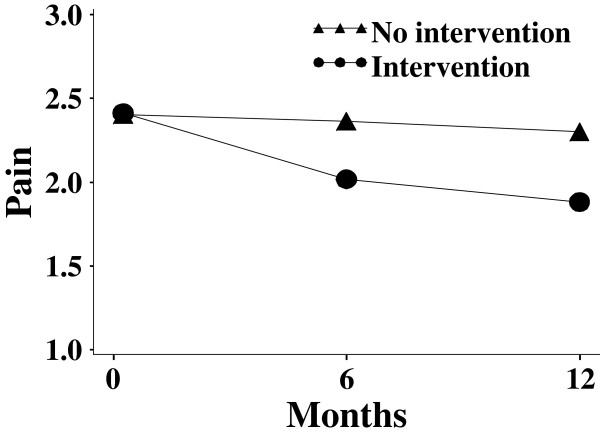
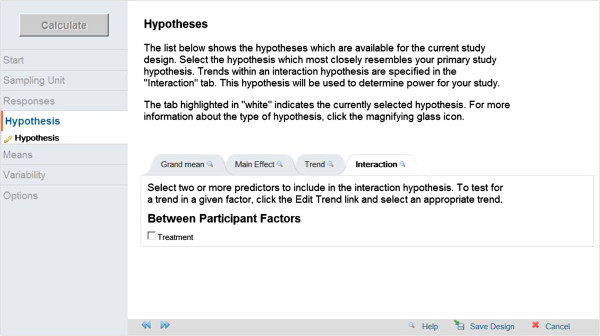
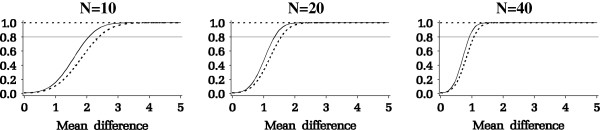
Many researchers favor repeated measures designs because they allow the detection of within-person change over time and typically have higher statistical power than cross-sectional designs. However, the plethora of inputs needed for repeated measures designs can make sample size selection, a critical step in designing a successful study, difficult. Using a dental pain study as a driving example, we provide guidance for selecting an appropriate sample size for testing a time by treatment interaction for studies with repeated measures. We describe how to (1) gather the required inputs for the sample size calculation, (2) choose appropriate software to perform the calculation, and (3) address practical considerations such as missing data, multiple aims, and continuous covariates.
Figures
References
-
- Muller K, Stewart P. Linear model theory: Univariate, multivariate and mixed models. New York, NY: Wiley; 2006. Sample size for linear mixed models; pp. 385–386.
Publication types
MeSH terms
Grants and funding
LinkOut - more resources
Full Text Sources
Other Literature Sources
