


Feasibility study: honey for treatment of cough in children
- PMID: 23904963
- PMCID: PMC3718232
- DOI: 10.4081/pr.2013.e8
Feasibility study: honey for treatment of cough in children
Abstract
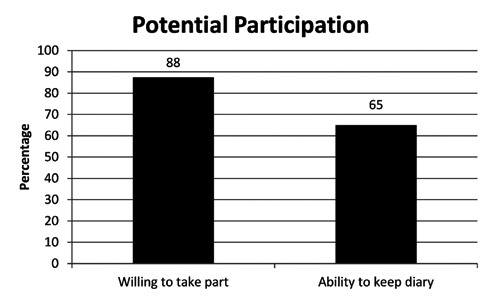
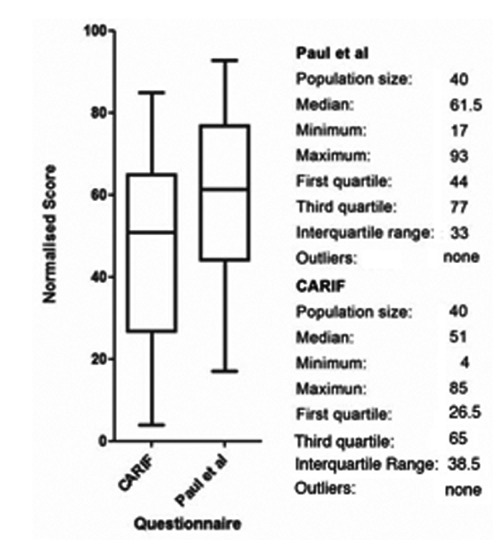
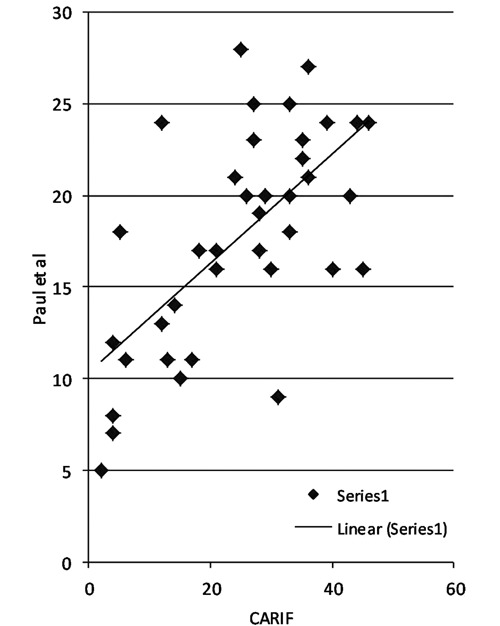
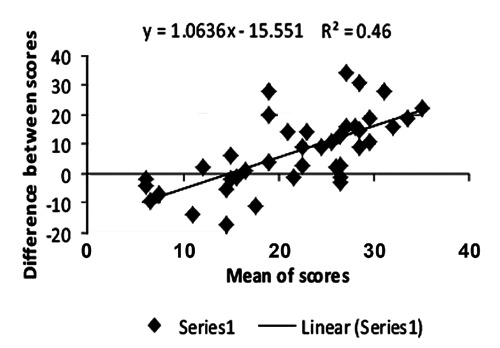
Respiratory tract infections are an important health problem because of high incidence and economic costs. The World Health Organization identifies honey as a potential demulcent treatment for cough. The aim of this study is to determine: i) patient public perceptions towards a proposed randomized controlled trial (RCT) comparing the effects of honey to placebo for treatment of cough in children; ii) potential participation rates for proposed trial; iii) whether age and gender of parent or child impacts on proposed cough assessment tools. Forty adult participants with children age 1-6 years presenting with an upper respiratory tract infection were enrolled. They underwent a structured interview regarding the proposed trial and assessed their child's cough using two validated questionnaires. Eighty-eight percent of those recruited were willing to participate in the proposed trial. The two independently validated cough scores correlated well. A relationship between age and gender of child or parent with cough assessment score was not found. We conclude that a RCT to determine the effects of honey versus placebo is feasible. The public find the outcome measures and trial design acceptable.
Keywords: common cold; common illnesses; community medicine; pediatrics; primary care; upper respiratory infections.
Figures
References
-
- Rutter P. Community pharmacy: symptoms, diagnosis and treatment. 2nd ed Churchill Livingstone; 2009
-
- Morice AH. Epidemiology of cough. Pulm Pharmacol Ther 2002;15:253-9 - PubMed
LinkOut - more resources
Full Text Sources
Other Literature Sources