


Hydrogen sulfide attenuates neurodegeneration and neurovascular dysfunction induced by intracerebral-administered homocysteine in mice
- PMID: 23912038
- PMCID: PMC3905452
- DOI: 10.1016/j.neuroscience.2013.07.051
Hydrogen sulfide attenuates neurodegeneration and neurovascular dysfunction induced by intracerebral-administered homocysteine in mice
Abstract
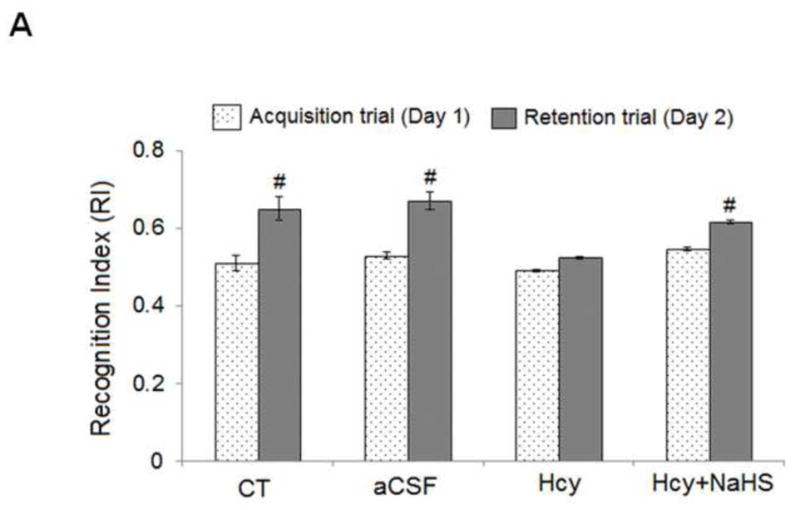
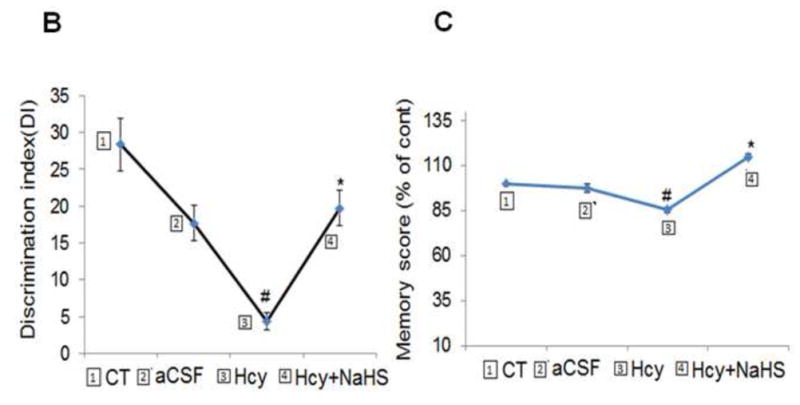
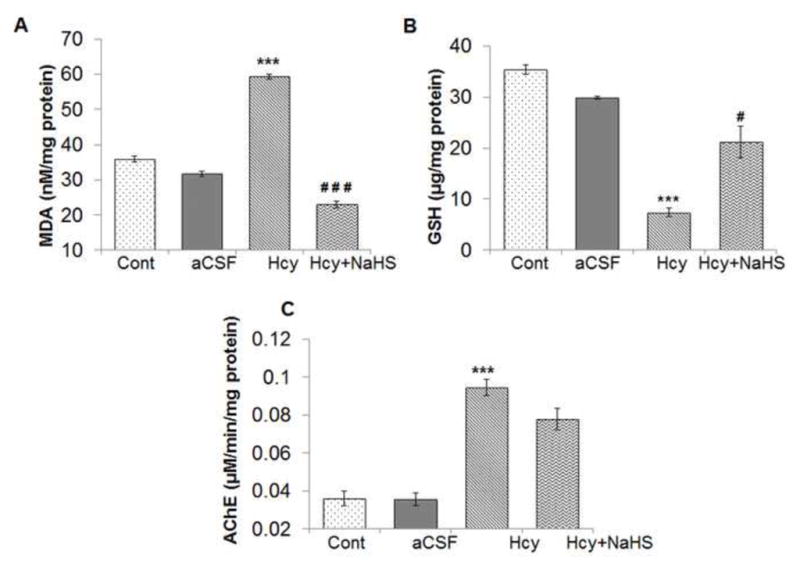
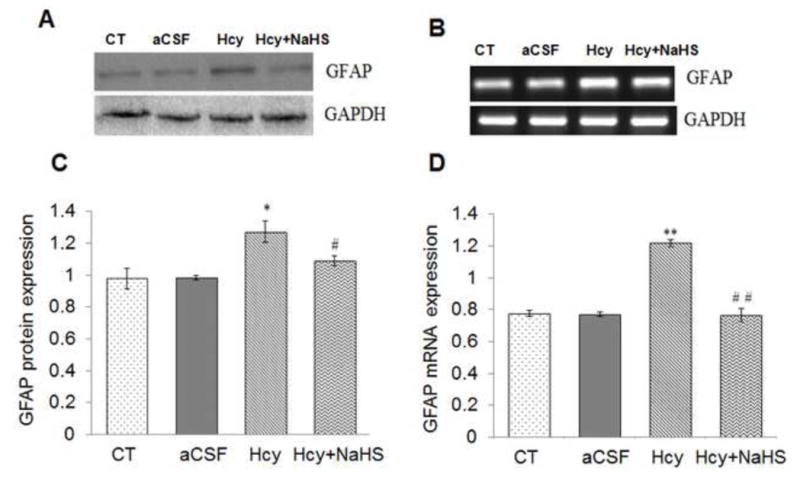
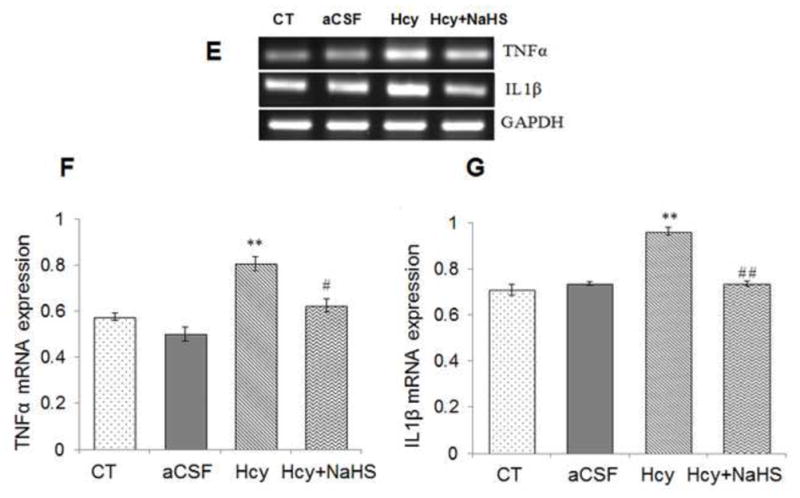
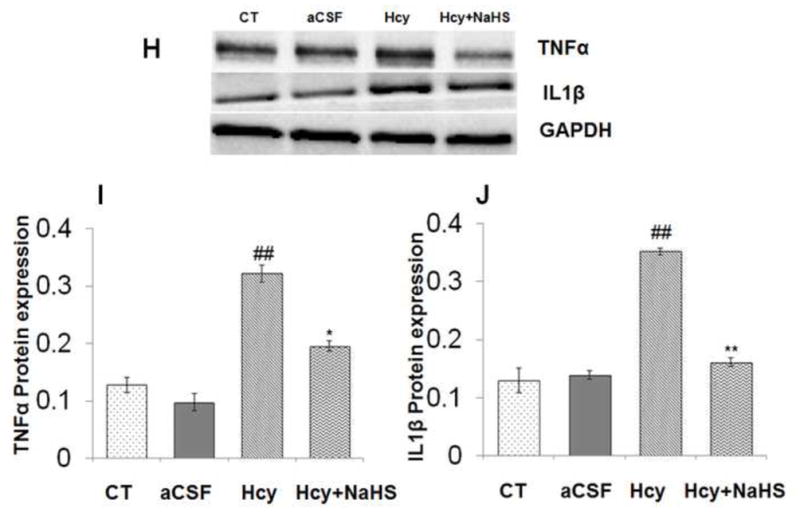
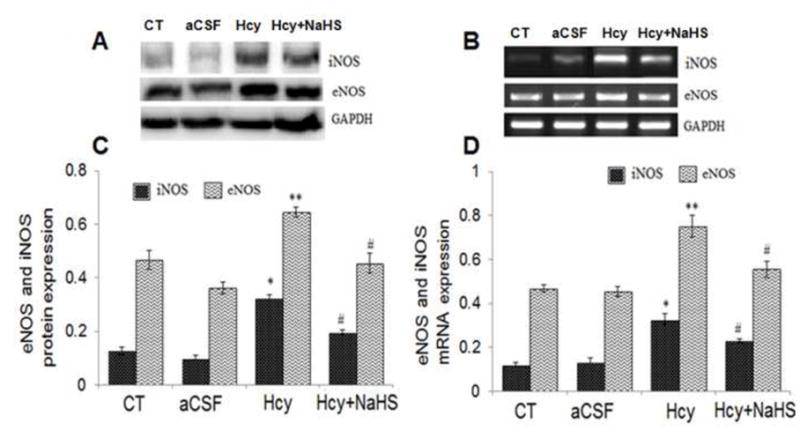
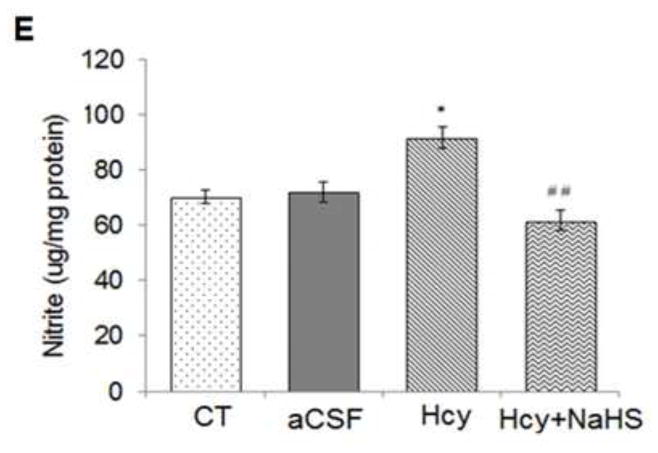
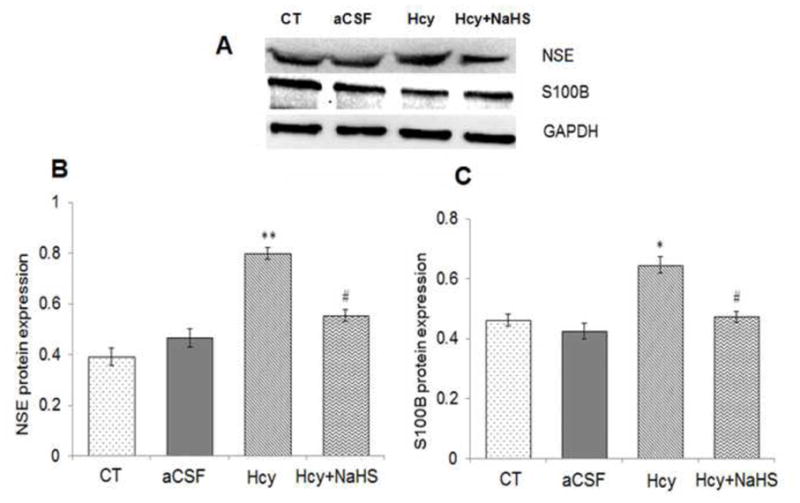
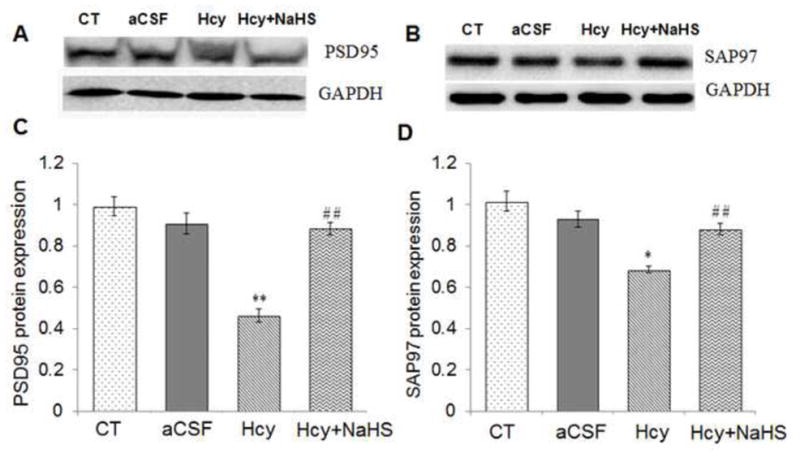
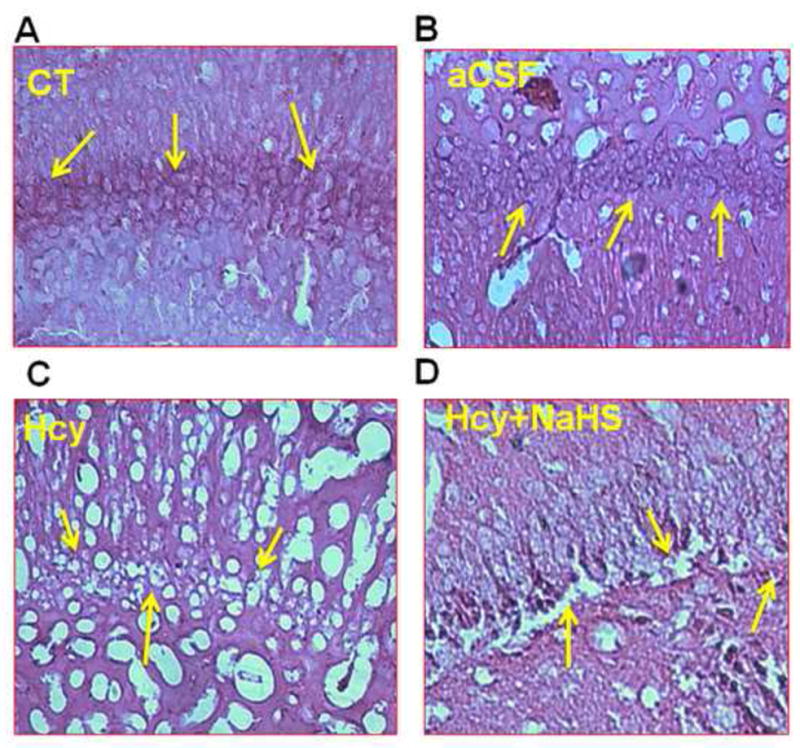
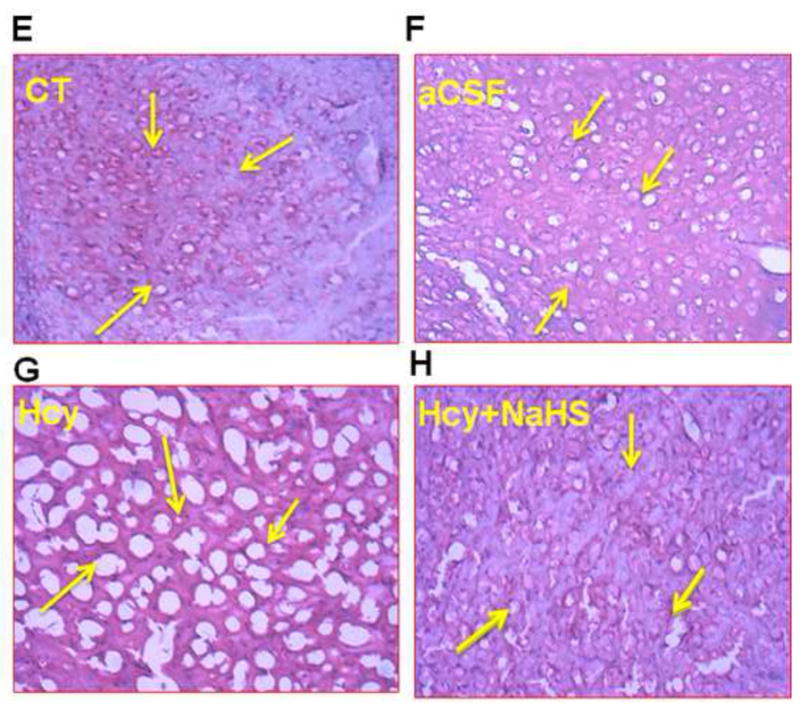
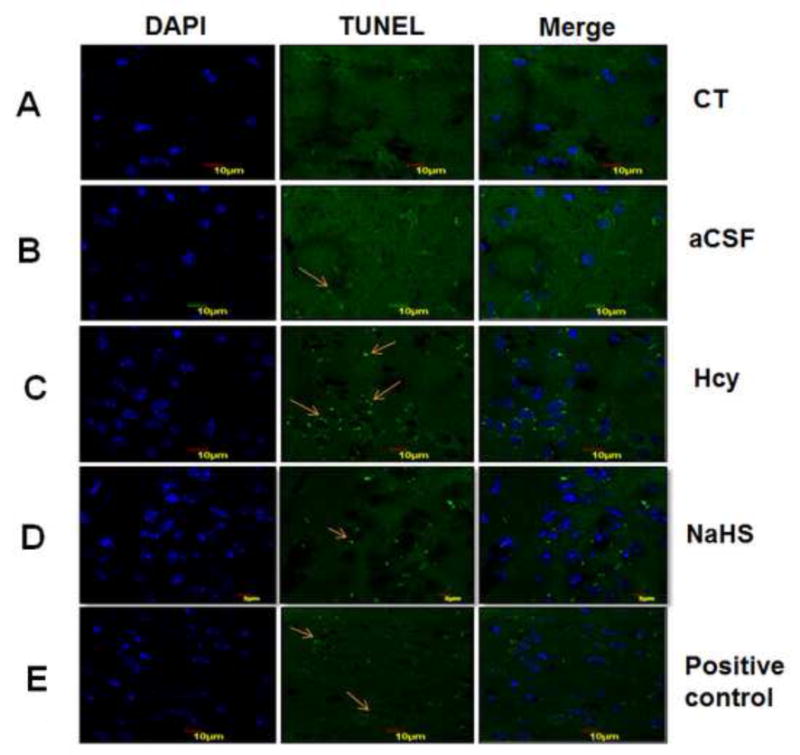
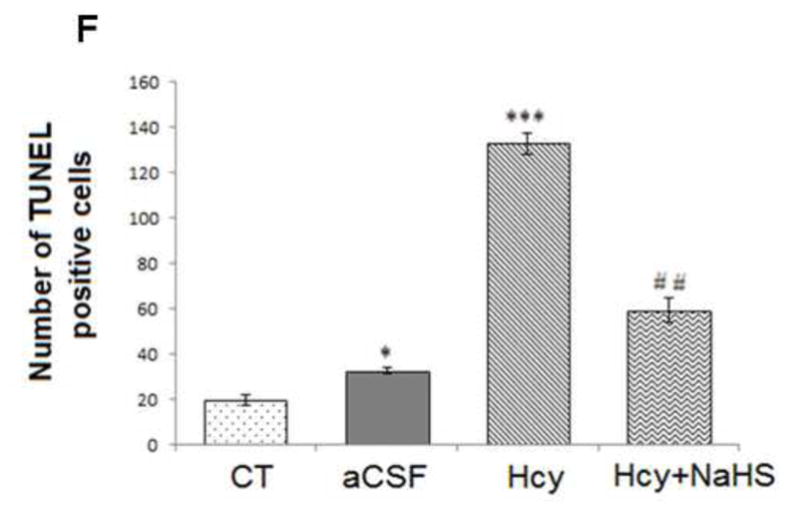
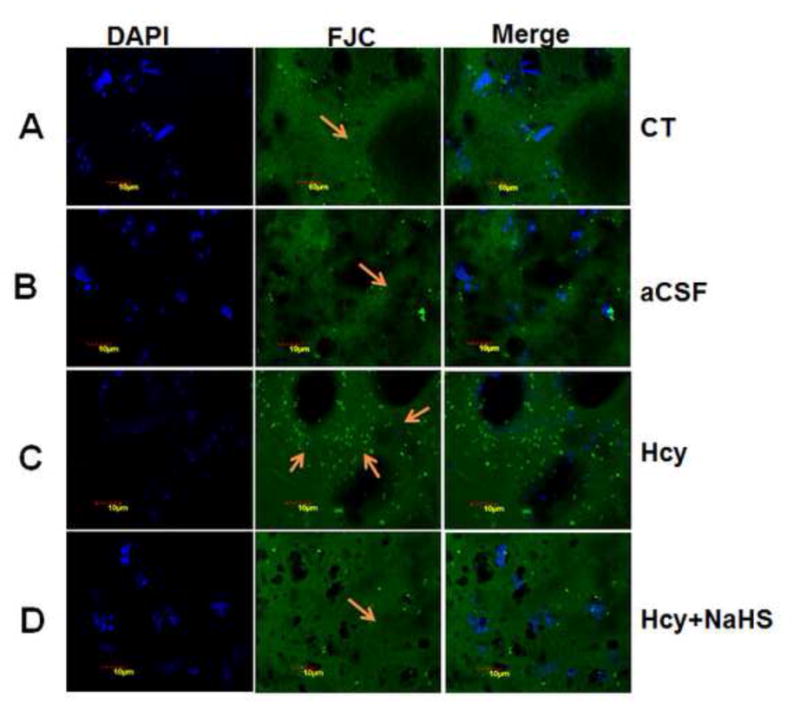
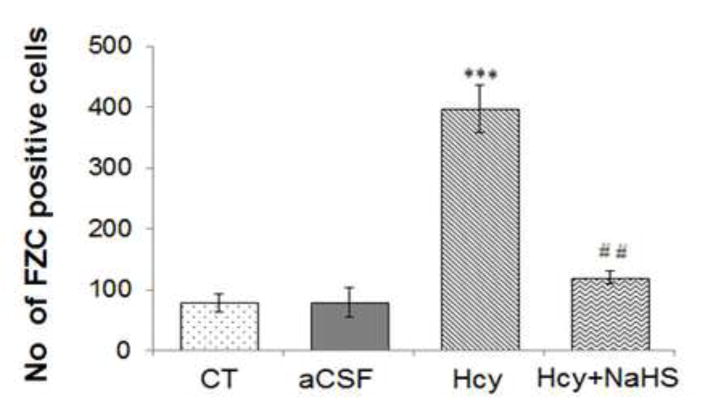
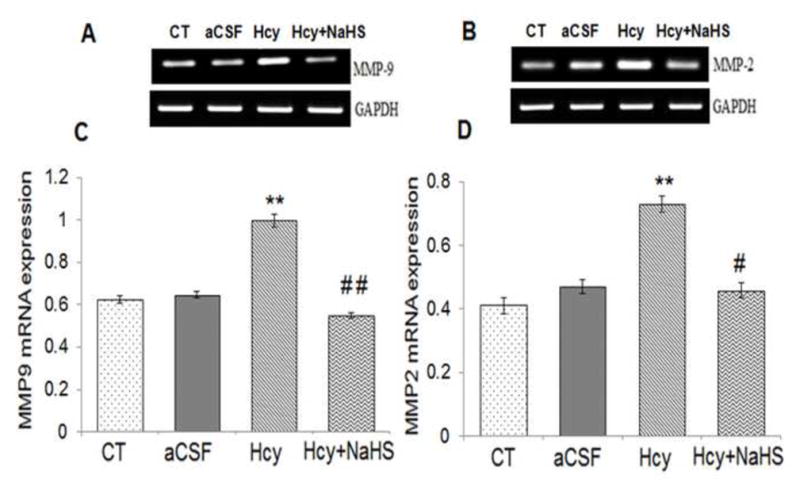
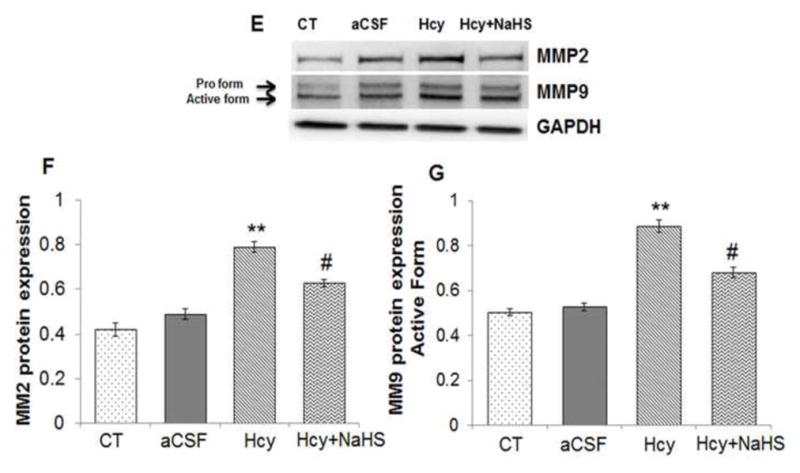
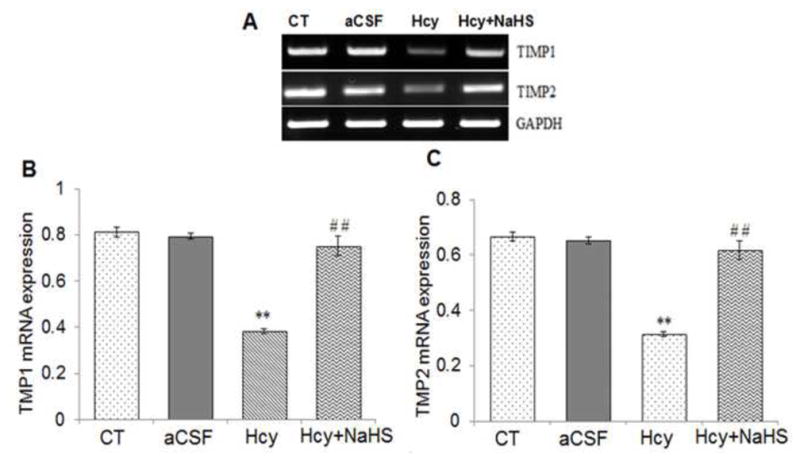
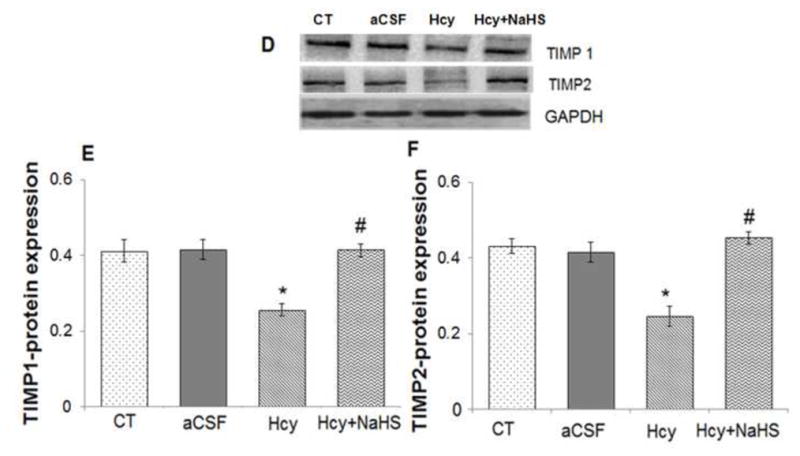
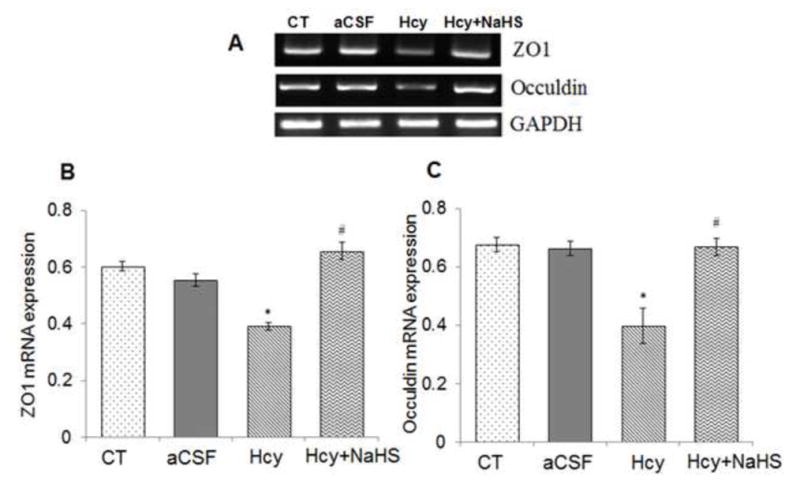
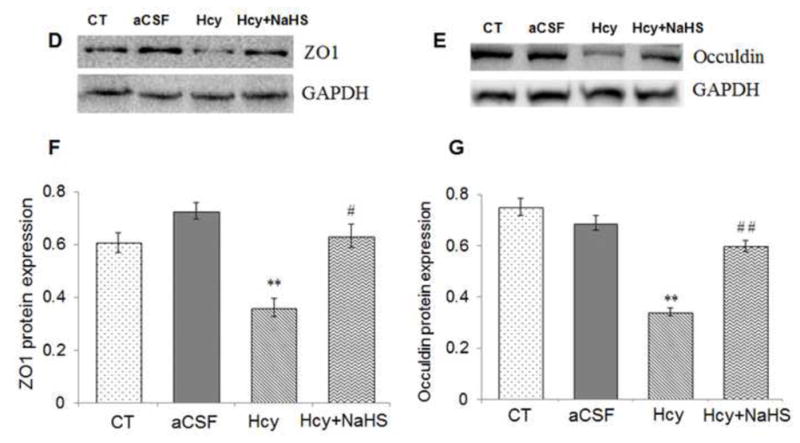
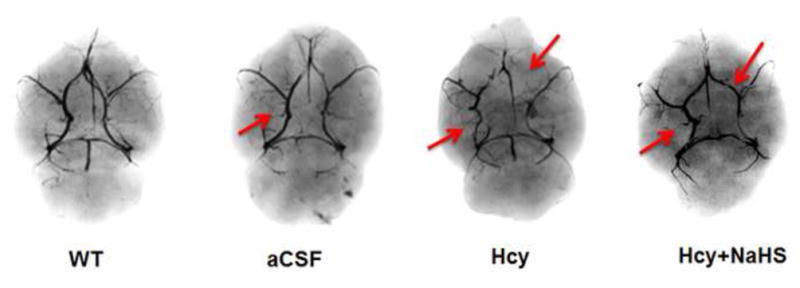
High levels of homocysteine (Hcy), known as hyperhomocysteinemia are associated with neurovascular diseases. H2S, a metabolite of Hcy, has potent anti-oxidant and anti-inflammatory activities; however, the effect of H2S has not been explored in Hcy (IC)-induced neurodegeneration and neurovascular dysfunction in mice. Therefore, the present study was designed to explore the neuroprotective role of H2S on Hcy-induced neurodegeneration and neurovascular dysfunction. To test this hypothesis we employed wild-type (WT) males ages 8-10 weeks, WT+artificial cerebrospinal fluid (aCSF), WT+Hcy (0.5 μmol/μl) intracerebral injection (IC, one time only prior to NaHS treatment), WT+Hcy+NaHS (sodium hydrogen sulfide, precursor of H2S, 30 μmol/kg, body weight). NaHS was injected i.p. once daily for the period of 7 days after the Hcy (IC) injection. Hcy treatment significantly increased malondialdehyde, nitrite level, acetylcholinestrase activity, tumor necrosis factor-alpha, interleukin-1 beta, glial fibrillary acidic protein, inducible nitric oxide synthase, endothelial nitric oxide synthase and decreased glutathione level indicating oxidative-nitrosative stress and neuroinflammation as compared to control and aCSF-treated groups. Further, increased expression of neuron-specific enolase, S100B and decreased expression of (post-synaptic density-95, synaptosome-associated protein-97) synaptic protein indicated neurodegeneration. Brain sections of Hcy-treated mice showed damage in the cortical area and periventricular cells. Terminal deoxynucleotidyl transferase-mediated, dUTP nick-end labeling-positive cells and Fluro Jade-C staining indicated apoptosis and neurodegeneration. The increased expression of matrix metalloproteinase (MMP) MMP9, MMP2 and decreased expression of tissue inhibitor of metalloproteinase (TIMP) TIMP-1, TIMP-2, tight junction proteins (zonula occulden 1) in Hcy-treated group indicate neurovascular remodeling. Interestingly, NaHS treatment significantly attenuated Hcy-induced oxidative stress, memory deficit, neurodegeneration, neuroinflammation and cerebrovascular remodeling. The results indicate that H2S is effective in providing protection against neurodegeneration and neurovascular dysfunction.
Keywords: 5,5′-dithiobis-(2-nitrobenzoic acid); AChE; AD; Alzheimer’s diseases; BBB; DI; DTNB; ECM; EDTA; FJC; Fluro Jade-C; GFAP; GSH; H(2)S; HE; HRP; Hcy; Hematoxylin and Eosin; IC; IL; MDA; MMP; NSE; PBS; PD; PMSF; PSD95; PVDF; Parkinson’s disease; RI; RIPA; RT-PCR; SAP97; TBS-T; TCA; TIMP; TJPs; TNF; TUNEL; Tris-buffered saline with Tween 20; WT; ZO; aCSF; acetylcholinesterase; artificial cerebrospinal fluid; blood–brain barrier; cerebrovascular dysfunction; discrimination index; eNOS; endothelial nitric oxide synthase; ethylenediaminetetraacetic acid; extracellular matrix; glial fibrillary acidic protein; glutathione; homocysteine; horseradish peroxidase; iNOS; inducible nitric oxide synthase; interleukin; intracerebral; malondialdehyde; matrix metalloproteinases; neurodegeneration; neuroinflammation; neuron-specific enolase; phenylmethylsulfonyl fluoride; phosphate-buffered saline; polyvinylidene difluoride; post-synaptic density-95; radio immunoprecipitation assay; recognition index; reverse transcription polymerase chain reaction; synaptosome associated protein-97; terminal deoxynucleotidyl transferase-mediated, dUTP nick-end labeling; tight junction proteins; tissue inhibitor of metalloproteinases; trichloroacetic acid; tumor necrosis factor; wild type; zonula occuldens.
Copyright © 2013 IBRO. All rights reserved.
Figures
References
-
- Abbott NJ, Patabendige AA, Dolman DE, Yusof SR, Begley DJ. Structure and function of the blood-brain barrier. Neurobiol Dis. 2010;37:13–25. - PubMed
-
- Abbott NJ, Rönnbäck L, Hansson E. Astrocyte-endothelial interactions at the blood-brain barrier. Nat Rev Neurosci. 2006;7:41–53. - PubMed
-
- Alvarez B, Ruiz C, Chacon P, Alvarez-Sabin J, Matas M. Serum values of metalloproteinase-2 and metalloproteinase-9 as related to unstable plaque and inflammatory cells in patients with greater than 70% carotid artery stenosis. J Vasc Surg. 2004;40:469–475. - PubMed
-
- Asahi M, Asahi K, Jung JC, del Zoppo GJ, Fini ME, Lo EH. Role for matrix metalloproteinase 9 after focal cerebral ischemia: effects of gene knockout and enzyme inhibition with BB-94. J Cereb Blood Flow Metab. 2000;20:1681–1689. - PubMed
-
- Ataie A, Sabetkasaei M, Haghparast A, Moghaddam AH, Ataee R, Moghaddam SN. Curcumin exerts neuroprotective effects against homocysteine intracerebroventricular injection-induced cognitive impairment and oxidative stress in rat brain. J Med Food. 2010;13:821–826. - PubMed
Publication types
MeSH terms
Substances
Grants and funding
LinkOut - more resources
Full Text Sources
Other Literature Sources
Research Materials
Miscellaneous
