


Relationships and health among emerging adults with and without Type 1 diabetes
- PMID: 23914816
- PMCID: PMC5094280
- DOI: 10.1037/a0033511
Relationships and health among emerging adults with and without Type 1 diabetes
Abstract
Objective: The study's goal was to examine the impact of parent and peer relationships on health behaviors and psychological well-being of those with and without Type 1 diabetes over the transition to emerging adulthood. Emerging adulthood is an understudied developmental period and a high-risk period--especially for those with Type 1 diabetes.
Method: Youth with (n = 117) and without Type 1 diabetes (n = 122) completed questionnaires during their senior year of high school and 1 year later. Measures included supportive and problematic aspects of parent and peer relationships, health behaviors, psychological well-being, and, for those with diabetes, self-care behavior and glycemic control.
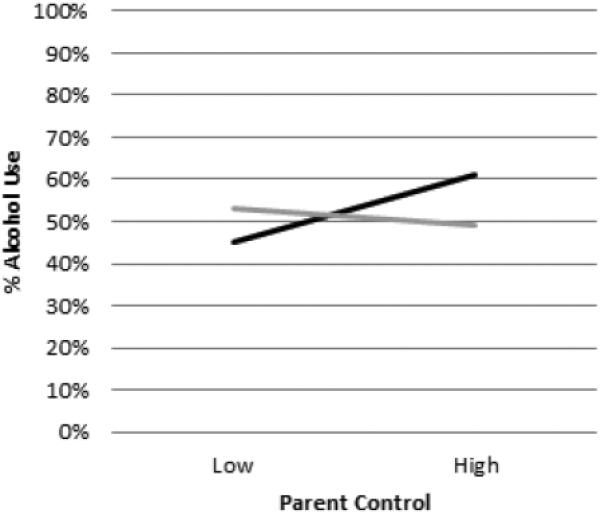
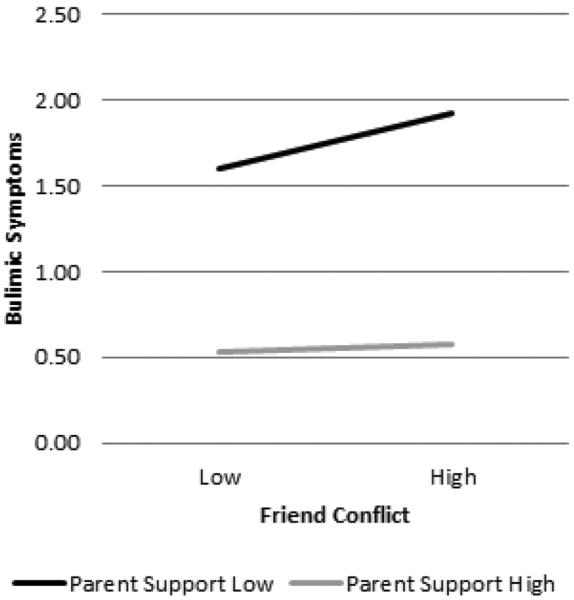
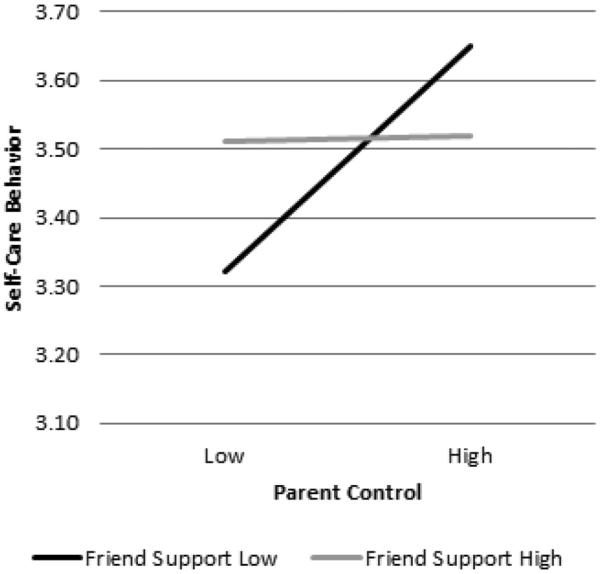
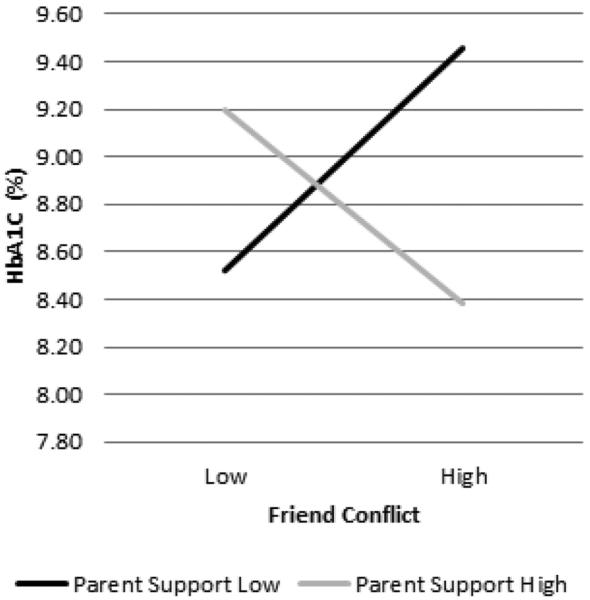
Results: Prospective multiple and logistic regression analysis revealed that friend conflict was a more potent predictor than friend support of changes in health behaviors and psychological well-being. Parent support was associated with positive changes in psychological well-being and decreases in smoking, whereas parent control was related to increases in smoking and depressive symptoms. There was some evidence of cross-domain buffering such that supportive relationships in one domain buffered adverse effects of problematic relationships in the other domain on health outcomes.
Conclusions: This longitudinal study showed that parent relationships remain an important influence on, and peer relationships continue to influence, the health behaviors and psychological well-being of emerging adults with and without Type 1 diabetes. Parent relationships also have the potential to buffer the adverse effects of difficulties with peers.
Figures
References
-
- Allison GC. The influences of gender, parents, and friends on the alcohol-related problems of college freshmen. Tulane University; New Orleans, LA: 2003.
-
- American Psychiatric Association . Diagnostic and statistical manual of mental disorders. Fourth ed. American Psychiatric Association; Washington, DC: 2000.
-
- Anderson B, Vangsness L, Connell A, Butler D, Goebel-Fabbri A, Laffel L. Family conflict, adherence, and glycaemic control in youth with short duration type 1 diabetes. Diabetic Medicine. 2002;19:635–642. - PubMed
Publication types
MeSH terms
Grants and funding
LinkOut - more resources
Full Text Sources
Other Literature Sources
Medical
