


Unique insights into the intestinal absorption, transit, and subsequent biodistribution of polymer-derived microspheres
- PMID: 23922388
- PMCID: PMC3752225
- DOI: 10.1073/pnas.1305882110
Unique insights into the intestinal absorption, transit, and subsequent biodistribution of polymer-derived microspheres
Abstract
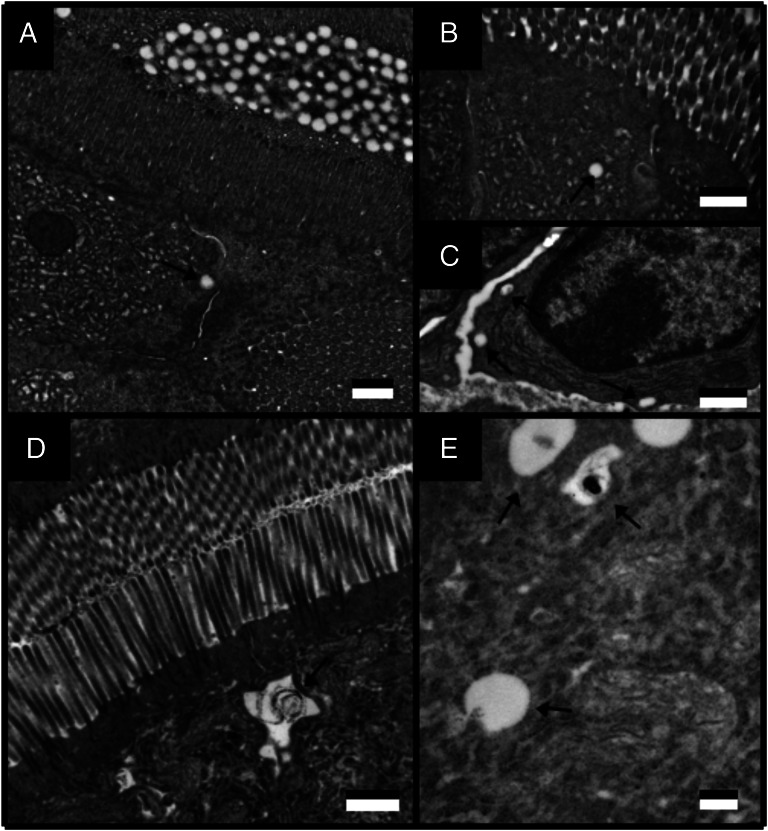
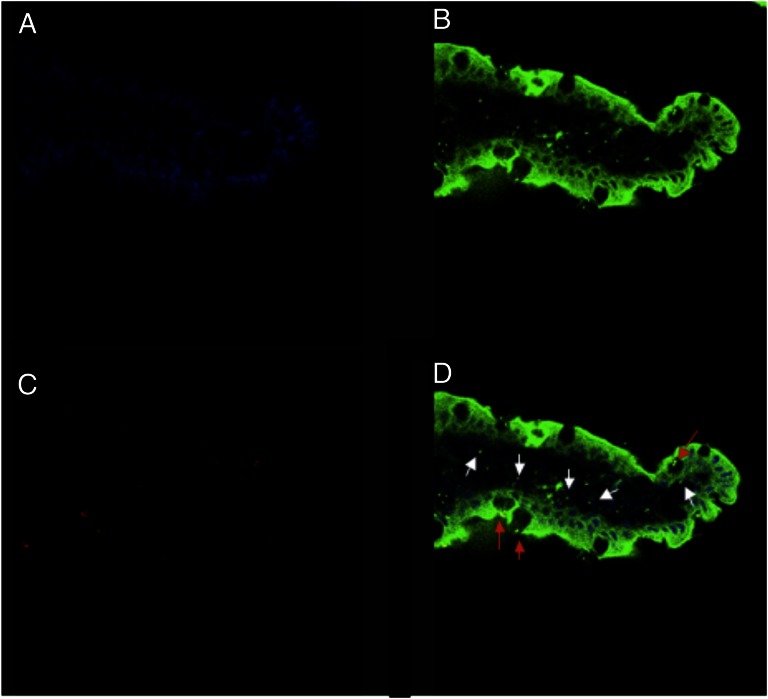
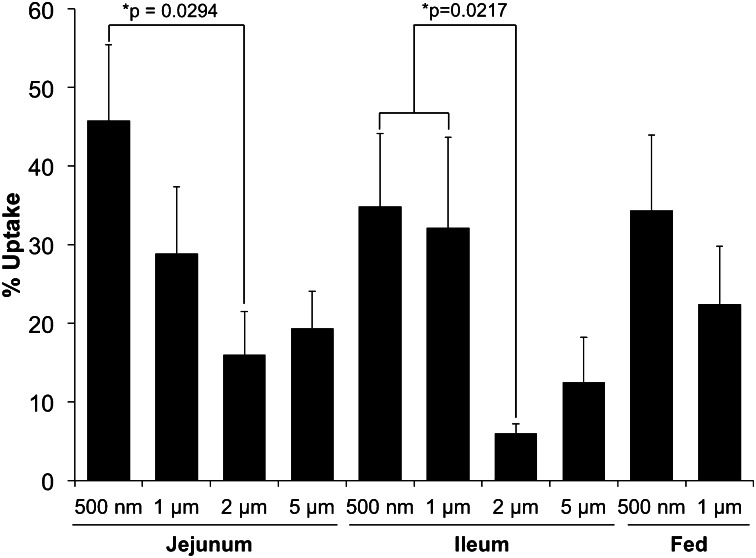
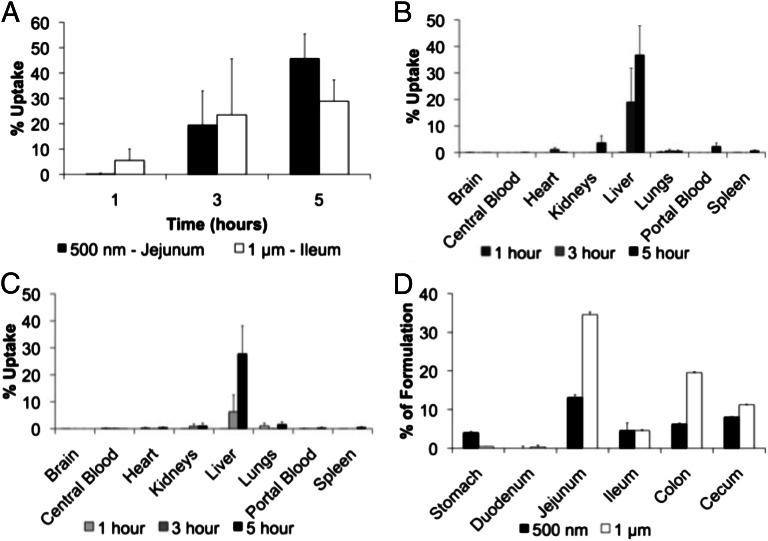
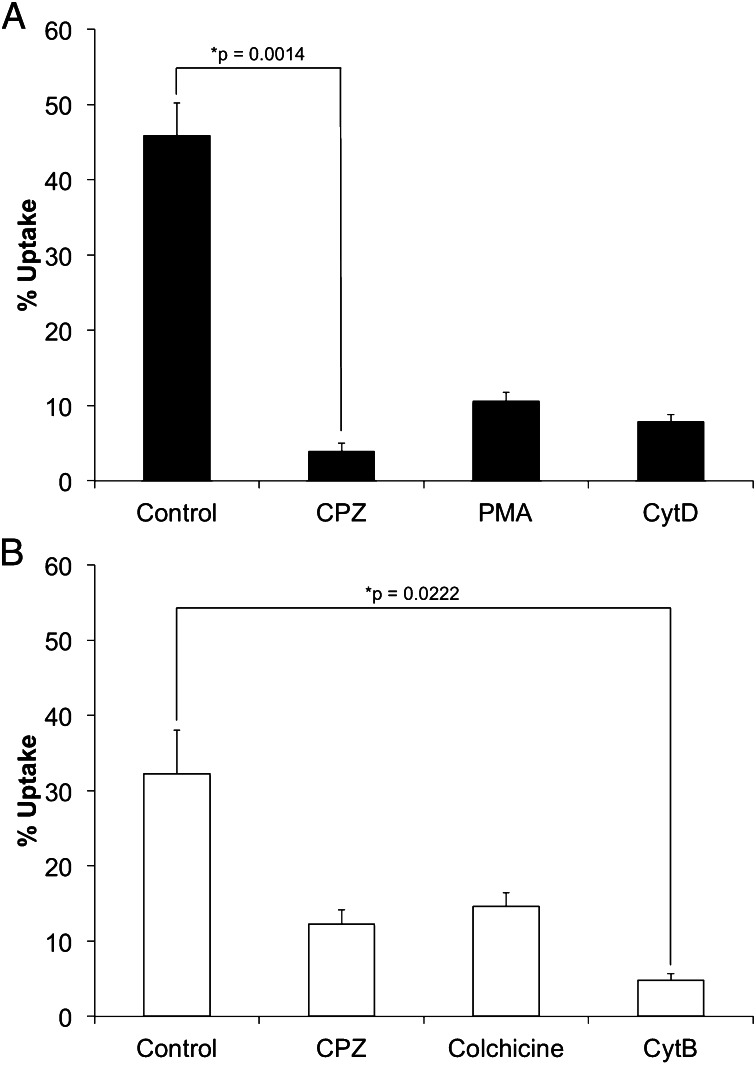
Polymeric microspheres (MSs) have received attention for their potential to improve the delivery of drugs with poor oral bioavailability. Although MSs can be absorbed into the absorptive epithelium of the small intestine, little is known about the physiologic mechanisms that are responsible for their cellular trafficking. In these experiments, nonbiodegradable polystyrene MSs (diameter range: 500 nm to 5 µm) were delivered locally to the jejunum or ileum or by oral administration to young male rats. Following administration, MSs were taken up rapidly (≤ 5 min) by the small intestine and were detected by transmission electron microscopy and confocal laser scanning microscopy. Gel permeation chromatography confirmed that polymer was present in all tissue samples, including the brain. These results confirm that MSs (diameter range: 500 nm to 5 µm) were absorbed by the small intestine and distributed throughout the rat. After delivering MSs to the jejunum or ileum, high concentrations of polystyrene were detected in the liver, kidneys, and lungs. The pharmacologic inhibitors chlorpromazine, phorbol 12-myristate 13-acetate, and cytochalasin D caused a reduction in the total number of MSs absorbed in the jejunum and ileum, demonstrating that nonphagocytic processes (including endocytosis) direct the uptake of MSs in the small intestine. These results challenge the convention that phagocytic cells such as the microfold cells solely facilitate MS absorption in the small intestine.
Keywords: oral delivery; uptake mechanism.
Conflict of interest statement
E.M. has a financial interest in Perosphere and Therapyx, two start-up companies. However, the work here is not directly relevant to their business, and the work has more general importance to the field of oral delivery.
Figures
References
-
- Sanders E, Ashworth CT. A study of particulate intestinal absorption and hepatocellular uptake. Use of polystyrene latex particles. Exp Cell Res. 1961;22:137–145. - PubMed
-
- Volkheimer G, Schulz FH. The phenomenon of persorption. Digestion. 1968;1(4):213–218. - PubMed
-
- Alpar HO, Field WN, Hyde R, Lewis DA. The transport of microspheres from the gastro-intestinal tract to inflammatory air pouches in the rat. J Pharm Pharmacol. 1989;41(3):194–196. - PubMed
-
- Jani P, Halbert GW, Langridge J, Florence AT. The uptake and translocation of latex nanospheres and microspheres after oral administration to rats. J Pharm Pharmacol. 1989;41(12):809–812. - PubMed
MeSH terms
Substances
LinkOut - more resources
Full Text Sources
Other Literature Sources
