


Genome-wide identification of molecular pathways and biomarkers in response to arsenic exposure in zebrafish liver
- PMID: 23922661
- PMCID: PMC3726666
- DOI: 10.1371/journal.pone.0068737
Genome-wide identification of molecular pathways and biomarkers in response to arsenic exposure in zebrafish liver
Abstract
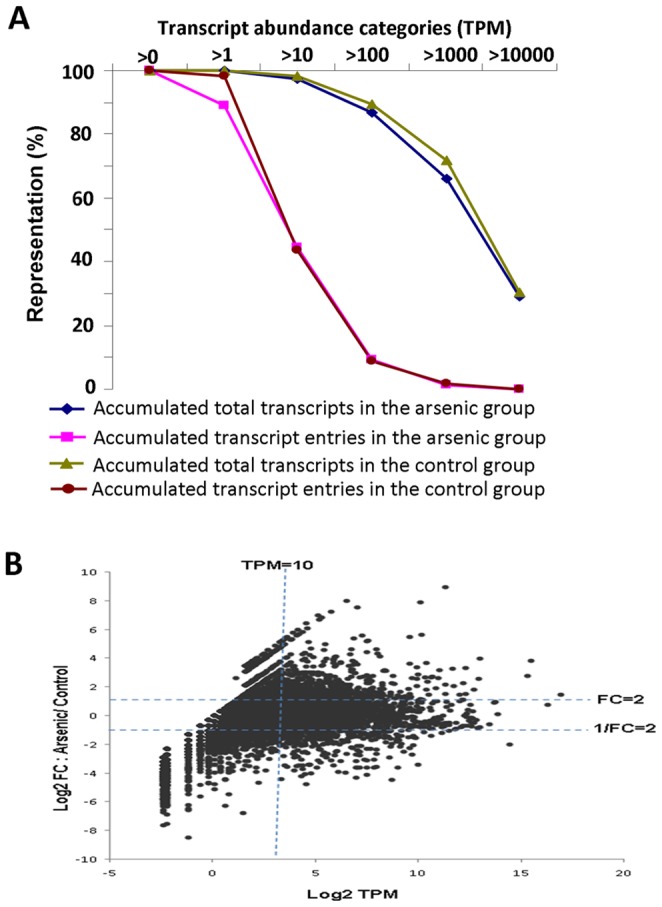
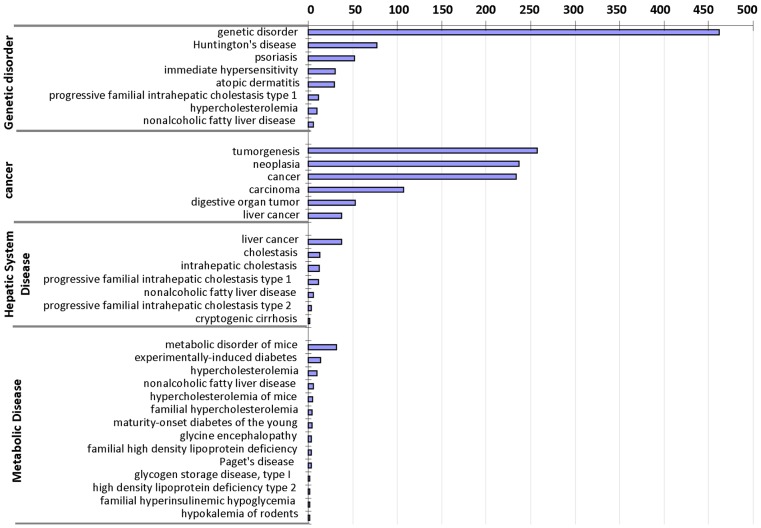
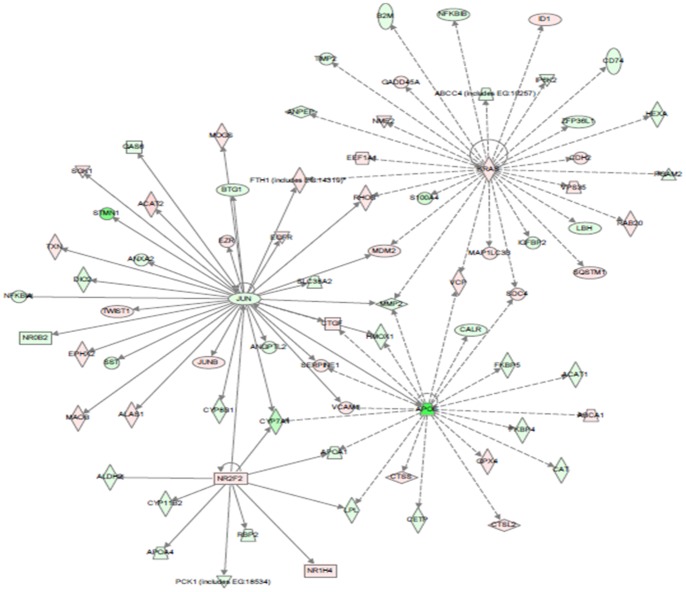
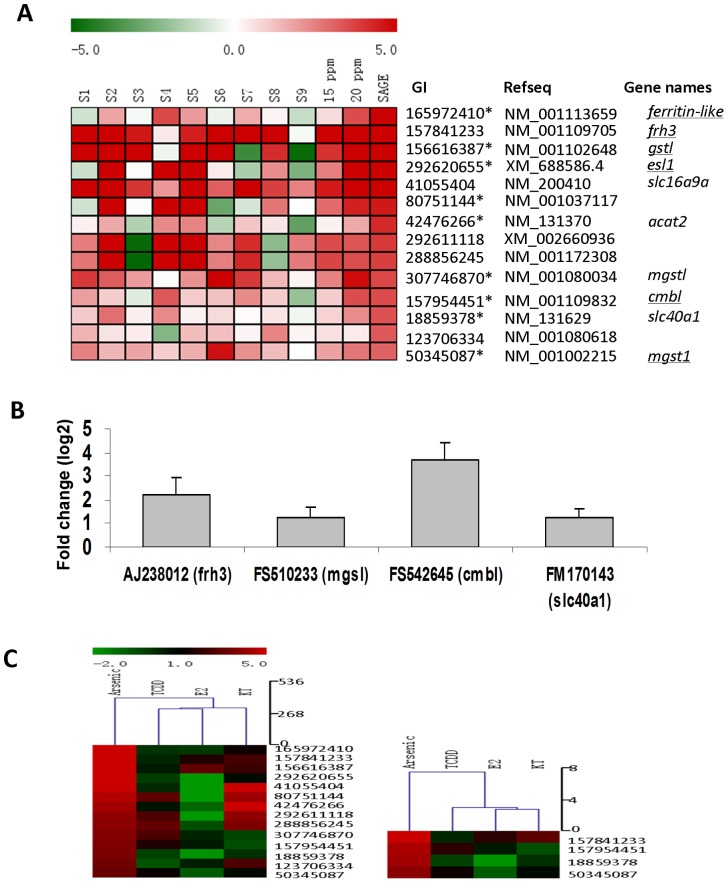
Inorganic arsenic is a worldwide metalloid pollutant in environment. Although extensive studies on arsenic-induced toxicity have been conducted using in vivo and in vitro models, the exact molecular mechanism of arsenate toxicity remains elusive. Here, the RNA-SAGE (serial analysis of gene expression) sequencing technology was used to analyse hepatic response to arsenic exposure at the transcriptome level. Based on more than 12 million SAGE tags mapped to zebrafish genes, 1,444 differentially expressed genes (750 up-regulated and 694 down-regulated) were identified from a relatively abundant transcripts (>10 TPM [transcripts per million]) based on minimal two-fold change. By gene ontology analyses, these differentially expressed genes were significantly enriched in several major biological processes including oxidation reduction, translation, iron ion transport, cell redox, homeostasis, etc. Accordingly, the main pathways disturbed include metabolic pathways, proteasome, oxidative phosphorylation, cancer, etc. Ingenity Pathway Analysis further revealed a network with four important upstream factors or hub genes, including Jun, Kras, APoE and Nr2f2. The network indicated apparent molecular events involved in oxidative stress, carcinogenesis, and metabolism. In order to identify potential biomarker genes for arsenic exposure, 27 out of 29 up-regulated transcripts were validated by RT-qPCR analysis in pooled RNA samples. Among these, 14 transcripts were further confirmed for up-regulation by a lower dosage of arsenic in majority of individual zebrafish. Finally, at least four of these genes, frh3 (ferrintin H3), mgst1 (microsomal glutathione S-transferase-like), cmbl (carboxymethylenebutenolidase homolog) and slc40a1 (solute carrier family 40 [iron-regulated transporter], member 1) could be confirmed in individual medaka fish similarly treated by arsenic; thus, these four genes might be robust arsenic biomarkers across species. Thus, our work represents the first comprehensive investigation of molecular mechanism of asenic toxicity and genome-wide search for potential biomarkers for arsenic exposure.
Conflict of interest statement
Figures
References
-
- Fendorf S, Michael HA, van Geen A (2010) Spatial and temporal variations of groundwater arsenic in South and Southeast Asia. Science 328: 1123–1127. - PubMed
-
- Flora SJ, Bhadauria S, Pant SC, Dhaked RK (2005) Arsenic induced blood and brain oxidative stress and its response to some thiol chelators in rats. Life Sci 77: 2324–2337. - PubMed
-
- Mandal BK, Suzuki KT (2002) Arsenic round the world: a review. Talanta 58: 201–235. - PubMed
-
- Cohen SM, Ohnishi T, Arnold LL, Le XC (2007) Arsenic-induced bladder cancer in an animal model. Toxicol Appl Pharmacol 222: 258–263. - PubMed
-
- Aposhian HV, Zheng B, Aposhian MM, Le XC, Cebrian ME, et al. (2000) DMPS-arsenic challenge test. II. Modulation of arsenic species, including monomethylarsonous acid (MMA(III)), excreted in human urine. Toxicol Appl Pharmacol 165: 74–83. - PubMed
Publication types
MeSH terms
Substances
LinkOut - more resources
Full Text Sources
Other Literature Sources
Medical
Molecular Biology Databases
Miscellaneous
