


Validation of next generation sequencing technologies in comparison to current diagnostic gold standards for BRAF, EGFR and KRAS mutational analysis
- PMID: 23922754
- PMCID: PMC3724913
- DOI: 10.1371/journal.pone.0069604
Validation of next generation sequencing technologies in comparison to current diagnostic gold standards for BRAF, EGFR and KRAS mutational analysis
Abstract
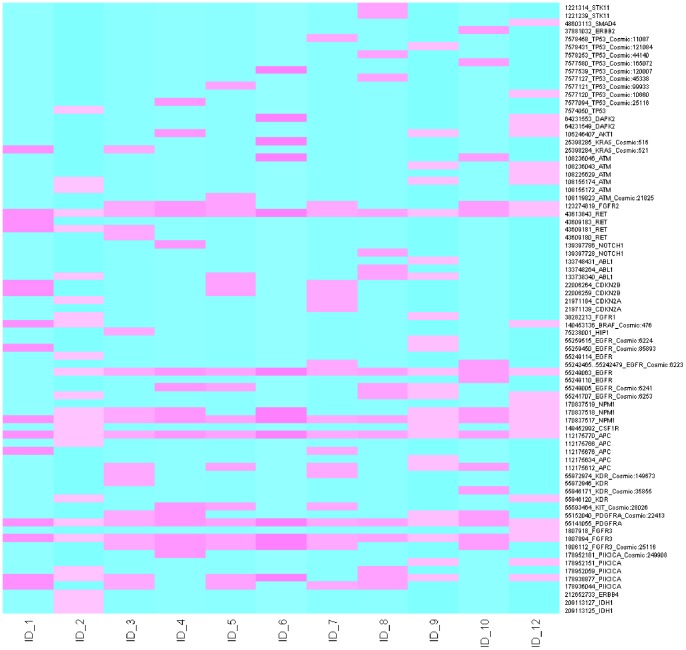
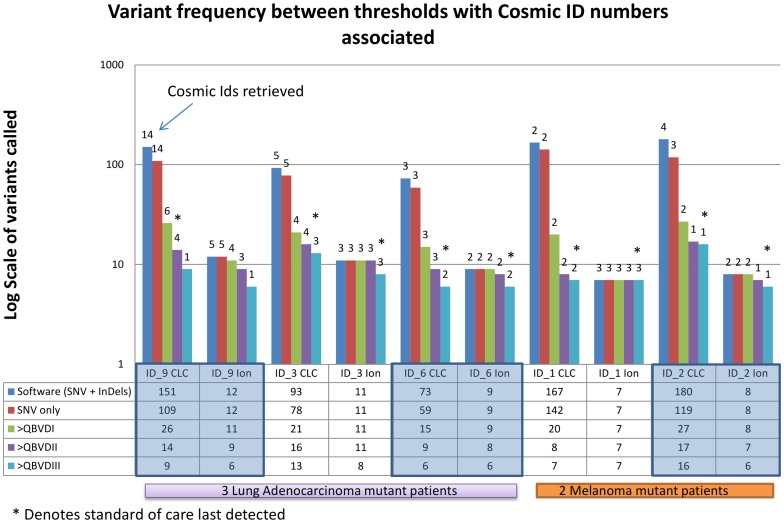
Next Generation Sequencing (NGS) has the potential of becoming an important tool in clinical diagnosis and therapeutic decision-making in oncology owing to its enhanced sensitivity in DNA mutation detection, fast-turnaround of samples in comparison to current gold standard methods and the potential to sequence a large number of cancer-driving genes at the one time. We aim to test the diagnostic accuracy of current NGS technology in the analysis of mutations that represent current standard-of-care, and its reliability to generate concomitant information on other key genes in human oncogenesis. Thirteen clinical samples (8 lung adenocarcinomas, 3 colon carcinomas and 2 malignant melanomas) already genotyped for EGFR, KRAS and BRAF mutations by current standard-of-care methods (Sanger Sequencing and q-PCR), were analysed for detection of mutations in the same three genes using two NGS platforms and an additional 43 genes with one of these platforms. The results were analysed using closed platform-specific proprietary bioinformatics software as well as open third party applications. Our results indicate that the existing format of the NGS technology performed well in detecting the clinically relevant mutations stated above but may not be reliable for a broader unsupervised analysis of the wider genome in its current design. Our study represents a diagnostically lead validation of the major strengths and weaknesses of this technology before consideration for diagnostic use.
Conflict of interest statement
Figures
References
Publication types
MeSH terms
Substances
LinkOut - more resources
Full Text Sources
Other Literature Sources
Research Materials
Miscellaneous
