


Pathophysiologic mechanisms of cardiovascular disease in obstructive sleep apnea syndrome
- PMID: 23936649
- PMCID: PMC3712227
- DOI: 10.1155/2013/521087
Pathophysiologic mechanisms of cardiovascular disease in obstructive sleep apnea syndrome
Abstract
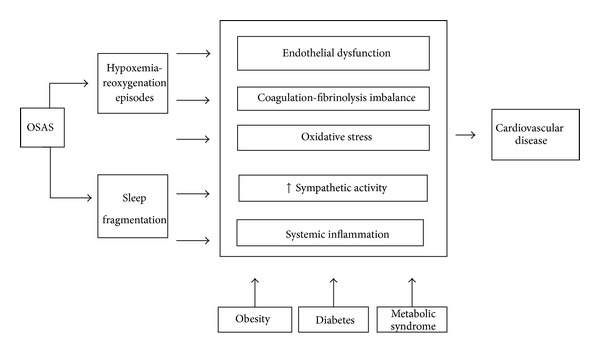
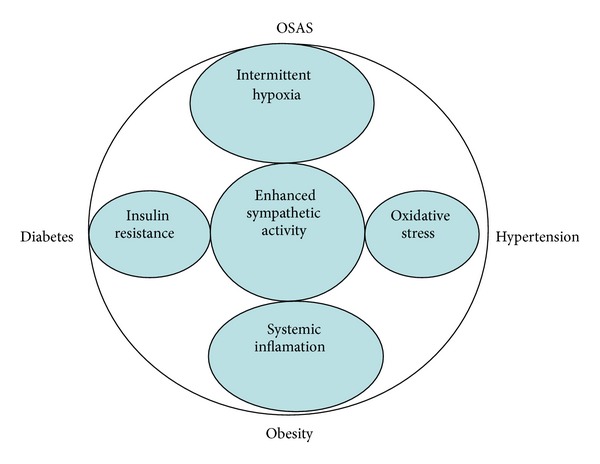
Obstructive sleep apnea syndrome (OSAS) is a highly prevalent sleep disorder, characterized by repeated disruptions of breathing during sleep. This disease has many potential consequences including excessive daytime sleepiness, neurocognitive deterioration, endocrinologic and metabolic effects, and decreased quality of life. Patients with OSAS experience repetitive episodes of hypoxia and reoxygenation during transient cessation of breathing that provoke systemic effects. Furthermore, there may be increased levels of biomarkers linked to endocrine-metabolic and cardiovascular alterations. Epidemiological studies have identified OSAS as an independent comorbid factor in cardiovascular and cerebrovascular diseases, and physiopathological links may exist with onset and progression of heart failure. In addition, OSAS is associated with other disorders and comorbidities which worsen cardiovascular consequences, such as obesity, diabetes, and metabolic syndrome. Metabolic syndrome is an emerging public health problem that represents a constellation of cardiovascular risk factors. Both OSAS and metabolic syndrome may exert negative synergistic effects on the cardiovascular system through multiple mechanisms (e.g., hypoxemia, sleep disruption, activation of the sympathetic nervous system, and inflammatory activation). It has been found that CPAP therapy for OSAS provides an objective improvement in symptoms and cardiac function, decreases cardiovascular risk, improves insulin sensitivity, and normalises biomarkers. OSAS contributes to the pathogenesis of cardiovascular disease independently and by interaction with comorbidities. The present review focuses on indirect and direct evidence regarding mechanisms implicated in cardiovascular disease among OSAS patients.
Figures
References
-
- Young T, Palta M, Dempsey J, Skatrud J, Weber S, Badr S. The occurrence of sleep-disordered breathing among middle-aged adults. The New England Journal of Medicine. 1993;328(17):1230–1235. - PubMed
-
- Remmers JE, DeGroot WJ, Sauerland EK, Anch AM. Pathogenesis of upper airway occlusion during sleep. Journal of Applied Physiology Respiratory Environmental and Exercise Physiology. 1978;44(6):931–938. - PubMed
-
- Anstead M, Phillips B. The spectrum of sleep-disordered breathing. Respiratory Care Clinics of North America. 1999;5(3):363–377. - PubMed
-
- Lugaresi E, Plazzi G. Heavy snorer disease: from snoring to the sleep apnea syndrome—an overview. Respiration. 1997;64(1):11–21. - PubMed
-
- Guilleminault C, Stoohs R, Shiomi T, Kushida C, Schnittger I. Upper airway resistance syndrome, nocturnal blood pressure monitoring, and borderline hypertension. Chest. 1996;109(4):901–908. - PubMed
LinkOut - more resources
Full Text Sources
Other Literature Sources
