


Bridging the gap between science and decision making
- PMID: 23940310
- PMCID: PMC3752167
- DOI: 10.1073/pnas.1213532110
Bridging the gap between science and decision making
Abstract
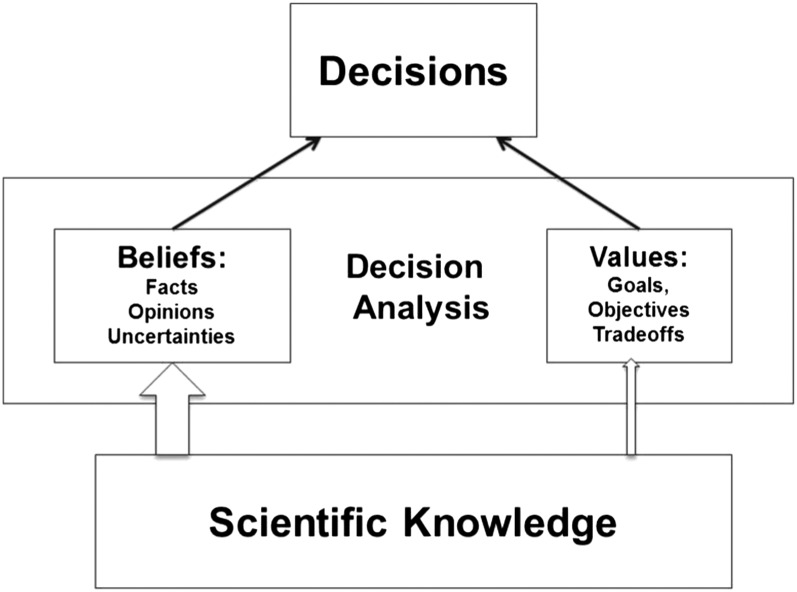
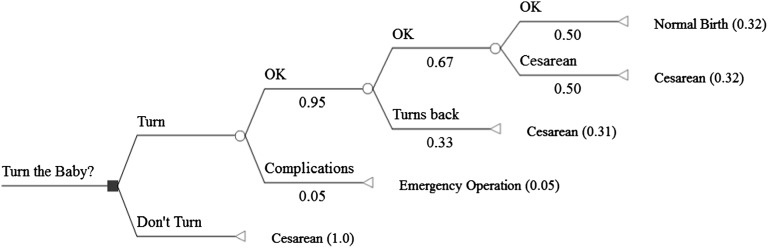
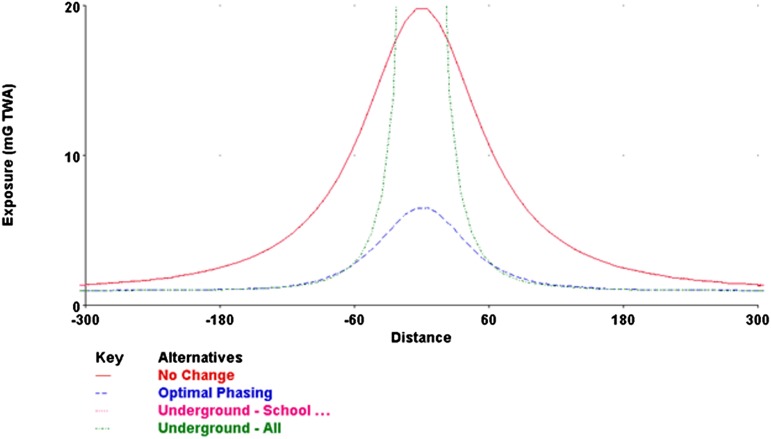
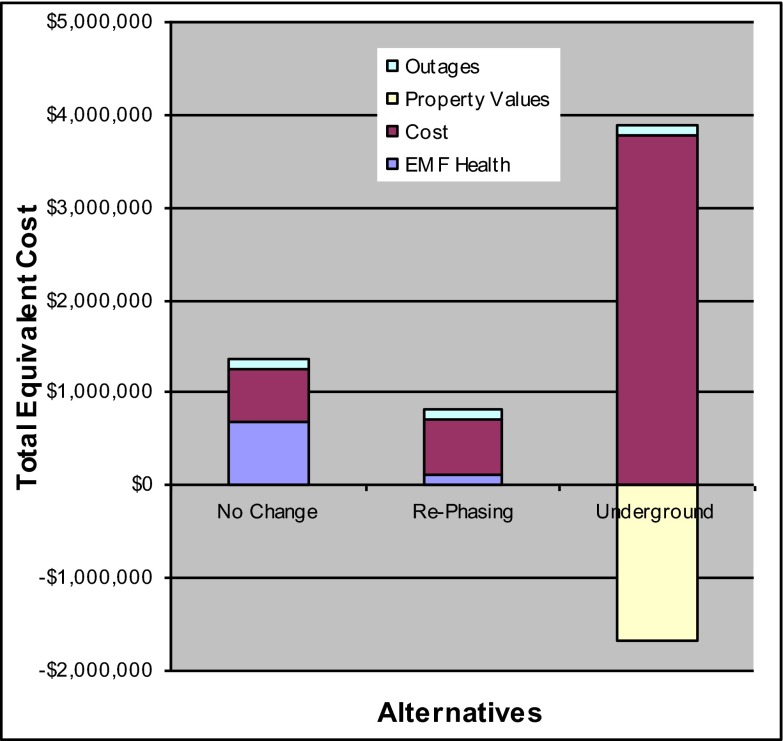
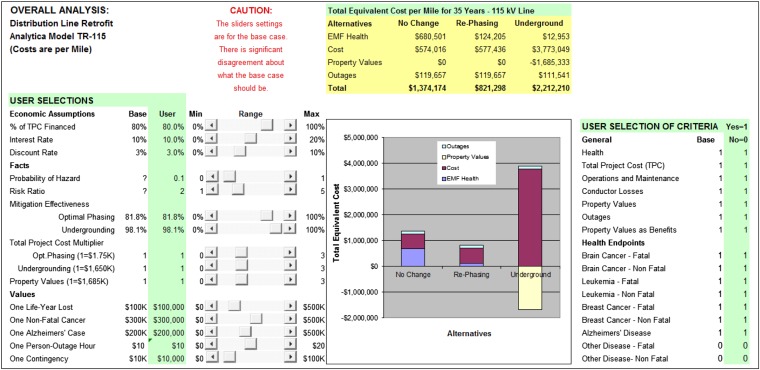
All decisions, whether they are personal, public, or business-related, are based on the decision maker's beliefs and values. Science can and should help decision makers by shaping their beliefs. Unfortunately, science is not easily accessible to decision makers, and scientists often do not understand decision makers' information needs. This article presents a framework for bridging the gap between science and decision making and illustrates it with two examples. The first example is a personal health decision. It shows how a formal representation of the beliefs and values can reflect scientific inputs by a physician to combine with the values held by the decision maker to inform a medical choice. The second example is a public policy decision about managing a potential environmental hazard. It illustrates how controversial beliefs can be reflected as uncertainties and informed by science to make better decisions. Both examples use decision analysis to bridge science and decisions. The conclusions suggest that this can be a helpful process that requires skills in both science and decision making.
Keywords: decision analysis; risk analysis; risk communication; science communication.
Conflict of interest statement
The author declares no conflict of interest.
Figures
References
-
- Kahneman D. Thinking, Fast and Slow. New York: Ferrar, Straus, and Giroux; 2011.
-
- Covello VT, von Winterfeldt D, Slovic P. Risk communication. In: Travis CC, editor. Carcinogen Risk Assessment. New York: Plenum; 1988. pp. 193–207.
-
- Fischhoff B. Risk perception and communication. In: Detels R, Beaglehole R, Lansang MA, Guilford M, editors. Oxford Textbook of Public Health. 5th Ed. Oxford: Oxford Univ Press; 2009. pp. 940–952.
-
- Fischhoff B. Applying the science of communication to the communication of science. Clim Change. 2011;108:701–705.
-
- Raiffa H. Decision Analysis. Boston: Addison Wesley; 1968.
Publication types
MeSH terms
LinkOut - more resources
Full Text Sources
Other Literature Sources
Miscellaneous
