. 2013 Aug 5;8(8):e70397.
doi: 10.1371/journal.pone.0070397. Print 2013.

Gastrin: a distinct fate of neurogenin3 positive progenitor cells in the embryonic pancreas

Affiliations

Gastrin: a distinct fate of neurogenin3 positive progenitor cells in the embryonic pancreas

Yaron Suissa et al. PLoS One. .

Abstract

Neurogenin3(+) (Ngn3(+)) progenitor cells in the developing pancreas give rise to five endocrine cell types secreting insulin, glucagon, somatostatin, pancreatic polypeptide and ghrelin. Gastrin is a hormone produced primarily by G-cells in the stomach, where it functions to stimulate acid secretion by gastric parietal cells. Gastrin is expressed in the embryonic pancreas and is common in islet cell tumors, but the lineage and regulators of pancreatic gastrin(+) cells are not known. We report that gastrin is abundantly expressed in the embryonic pancreas and disappears soon after birth. Some gastrin(+) cells in the developing pancreas co-express glucagon, ghrelin or pancreatic polypeptide, but many gastrin(+) cells do not express any other islet hormone. Pancreatic gastrin(+) cells express the transcription factors Nkx6.1, Nkx2.2 and low levels of Pdx1, and derive from Ngn3(+) endocrine progenitor cells as shown by genetic lineage tracing. Using mice deficient for key transcription factors we show that gastrin expression depends on Ngn3, Nkx2.2, NeuroD1 and Arx, but not Pax4 or Pax6. Finally, gastrin expression is induced upon differentiation of human embryonic stem cells to pancreatic endocrine cells expressing insulin. Thus, gastrin(+) cells are a distinct endocrine cell type in the pancreas and an alternative fate of Ngn3+ cells.


Conflict of interest statement

Competing Interests: RSH is employed by Novo-Nordisk, however, this does not create any conflict of interest related to this work, nor does it alter the authors' adherence to all the PLOS ONE policies on sharing of data and materials.

Figures

Figure 1
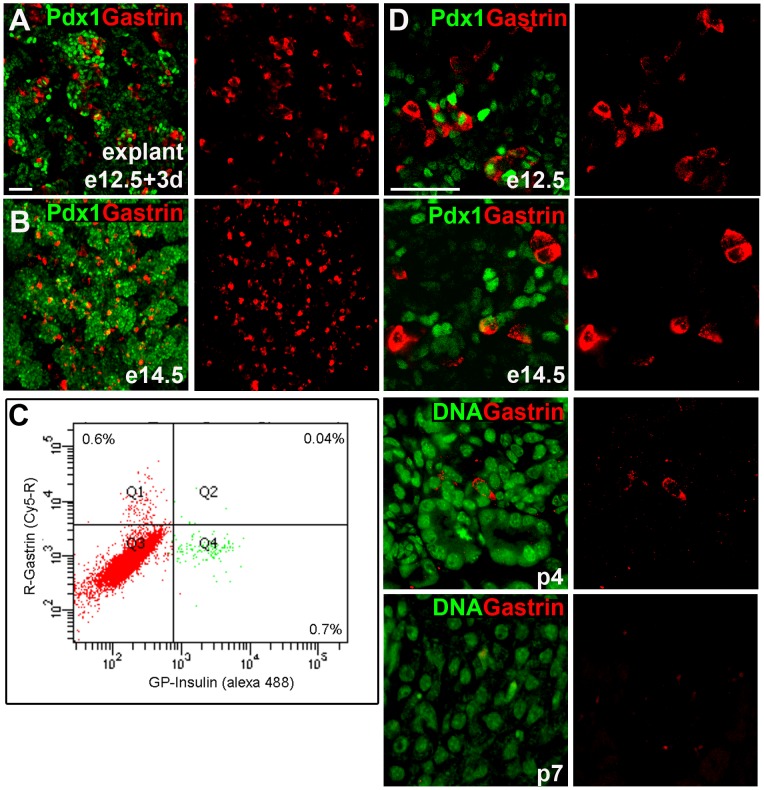
Figure 1. Gastrin is abundantly expressed in the embryonic pancreas, and disappears after birth.
A. Expression of gastrin in e12.5 mouse pancreas explanted for 3 days. The image was generated by merging 4 confocal slices (Z-stack). Scale bar = 100 µm. B. In vivo expression of gastrin throughout the pancreas of an e14.5 mouse embryo. The image was generated by merging 11 confocal slices (Z-stack). C. Quantification of gastrin and insulin expression in E14.5 mouse embryo, using flow cytometry after intracellular staining for hormones. X-axis shows relative intensity of flurophore labeling insulin, whereas the y axis shows relative intensity of flurophore labeling gastrin. 0.6% of the cells label gastrin, but not insulin (quadrant Q1), and 0.7% of the cells are labeled with insulin, but not gastrin (quadrant Q4). The 0.04% of cells showing double labeling likely reflects background. D. Expression of gastrin in the mouse pancreas at different developmental ages. All images were taken on a Nikon C1 confocal microscope at a 20× or 60× magnification. Scale bar, 100 µm.
Figure 2
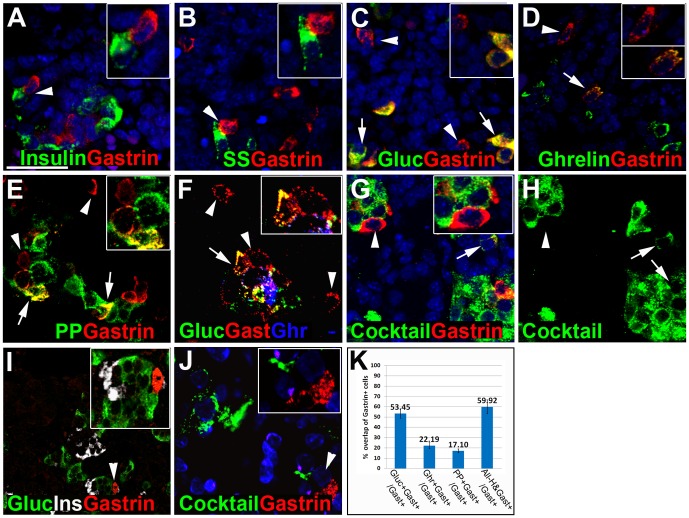
Figure 2. Presence of gastrin-expressing cells that do not stain for other islet hormones.
Images in panels A–H are from E15.5 mouse embryos. Arrows indicate cells co-expressing gastrin and other hormones, whereas arrowheads represent cells that express only gastrin. A–E. Co-staining for gastrin and insulin (A) or somatostatin (B) reveals no overlap. Co-staining for gastrin and glucagon (C), ghrelin (D) and pancreatic polypeptide (E) reveals some overlap, but some gastrin positive cells are negative for the other hormones. F. Triple staining for glucagon (green), gastrin (red) and ghrelin (blue) reveals some cells that stain only for gastrin. G–H. Co-staining for gastrin (red) and a cocktail of antibodies against insulin, glucagon, somatostatin, pancreatic polypeptide and ghrelin (G, H, green) reveals some cells that stain only for gastrin. I. Staining for gastrin (DAKO) reveals some gastrin+ cells that are negative for insulin and glucagon in e22 Psammomys obesus. J. Co-staining for gastrin (red) and a cocktail of antibodies against insulin, glucagon, somatostatin, pancreatic polypeptide and ghrelin (green) in e22 Psammomys obesus, reveals cells that stain only for gastrin. K. Quantification of cells expressing gastrin with glucagon, ghrelin, pancreatic polypeptide or all pancreatic hormenos as percentage of all cells expressing gastrin at E15.5 (at least 100 cells were counted from different pancreata (n>5)). Scale bar, 100 µm. Values are presented as mean ± SE.
Figure 3
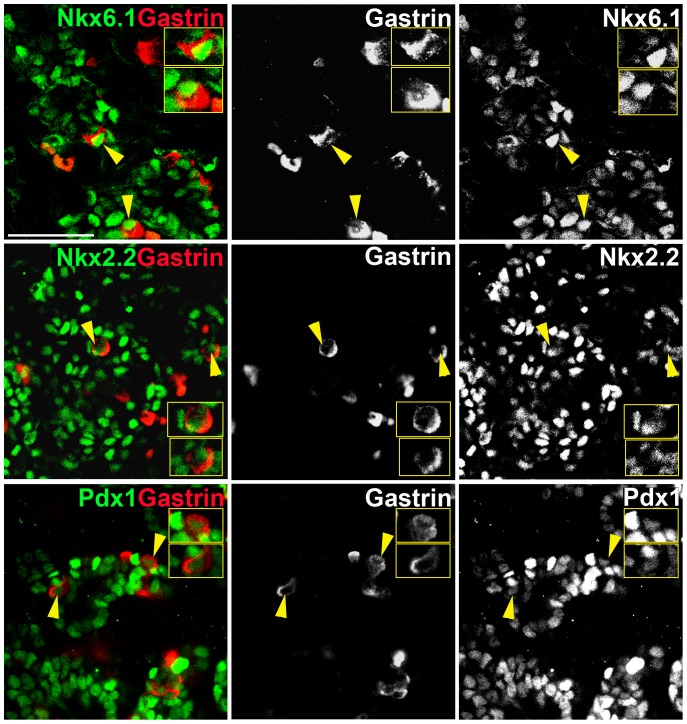
Figure 3. Transcription factors expressed in gastrin+ cells.
Gastrin+ cells in e15.5 pancreas express Nkx6.1, Nkx2.2 and lower levels of Pdx1. Yellow arrows mark the cells in the insets. Scale bar, 100 µm.
Figure 4
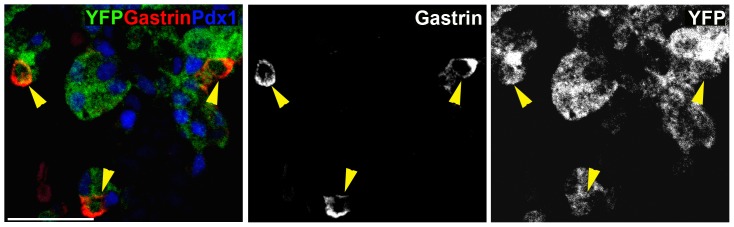
Figure 4. Pancreatic gastrin cells derive from Ngn3+ endocrine progenitors.
Co-staining for gastrin (red) and the progeny of Ngn3+ cells (anti-GFP, green) in Ngn3-Cre;Rosa26-LSL-YFP e15.5 mice reveals that all gastrin+ cells have passed through a Ngn3-expressing stage. Scale bar, 100 µm.
Figure 5
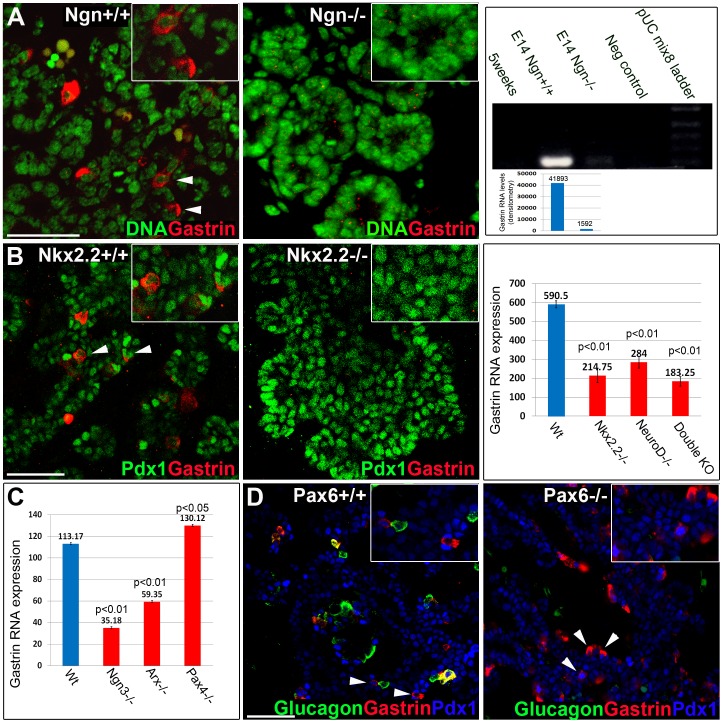
Figure 5. Transcription factors required for gastrin expression in the embryonic pancreas.
A. No expression of gastrin in Ngn3−/− pancreata is shown by immunofluorescence staining and significant gastrin reduction by RT-PCR at e14.5. Densitometry measurement of gastrin RNA levels (imageJ) shows that gastrin expression in ngn3+/+ pancreata is markedly reduced in ngn3 KO (from 41,893 to 1,592; arbitrary units, the same area was picked for both bands). B. No expression of gastrin in Nkx2.2−/− pancreata is shown by immunofluorescence staining. Microarray analysis shows reduced expression of gastrin RNA in Nkx2.2−/−, NeuroD1−/− and double knockout embryos at e14.5. Values are presented as mean ± SE. C. Reduced expression of gastrin in Ngn3−/− and Arx−/− but not in Pax4−/− embryos at e12.5 (microarray analysis). Values are presented as mean ± SE. D. Pax6−/− embryonic pancreata have reduced numbers of gastrin+ glucagon+ cells, but gastrin+ glucagon− cells are still observed. Scale bar, 100 µm for all panels.
Figure 6
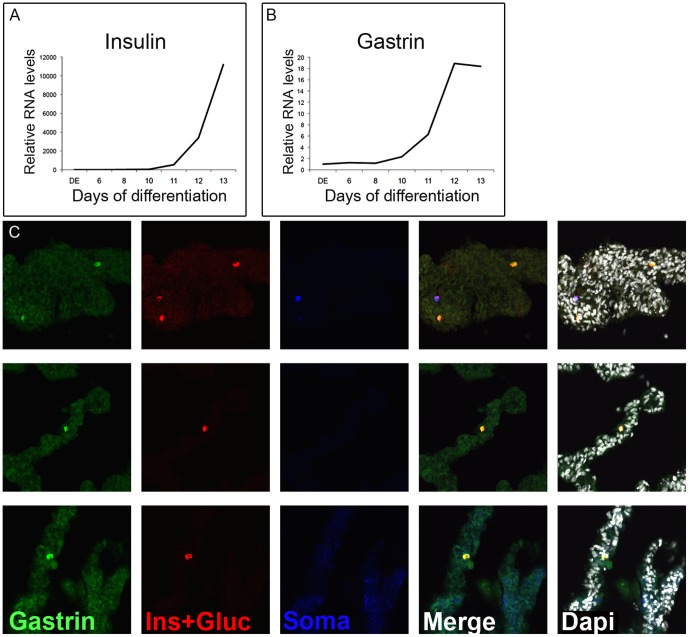
Figure 6. Gastrin expression in human embryonic stem cells.
A–B. Quantitative RT-PCR on RNA extracted from human embryonic stem cells, directed to differentiate into definitive endoderm, pancreatic progenitor cells, endocrine progenitor cells, and hormone expressing cells. Note that the kinetics of gastrin induction are similar to those of insulin expression. Values are normalized to beta tubulin and expression differences are relative to definitive endoderm (DE). C. Staining human embryonic stem cells directed to hormone expressing cells for gastrin, insulin, glucagon and somatostatin reveals gastrin positive cells (different samples).
Figure 7
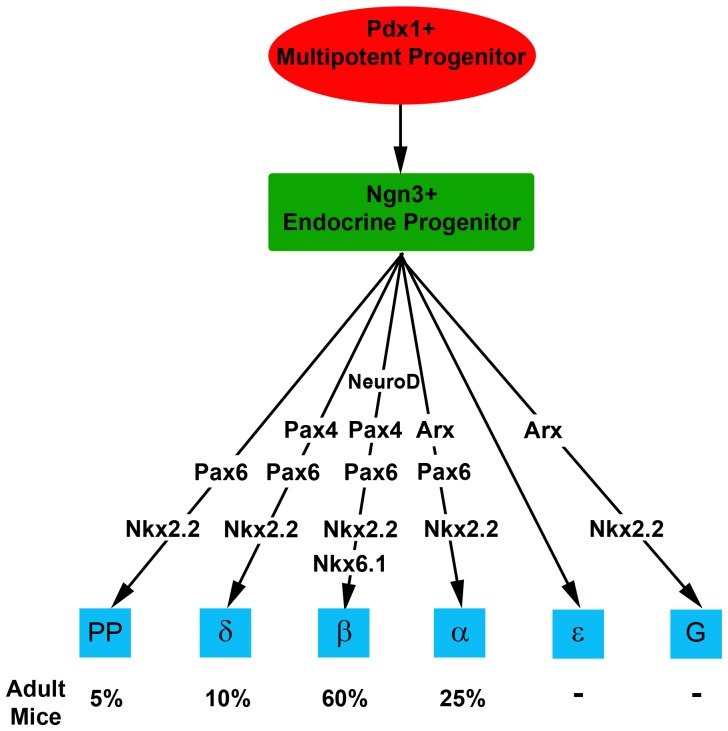
Figure 7. Model placing gastrin cells in the transcriptional hierarchy of endocrine cells in the pancreas.

References

    1. Gradwohl G, Dierich A, LeMeur M, Guillemot F (2000) neurogenin3 is required for the development of the four endocrine cell lineages of the pancreas. Proc Natl Acad Sci U S A 97: 1607–1611. - PMC - PubMed
    1. Gu G, Dubauskaite J, Melton DA (2002) Direct evidence for the pancreatic lineage: NGN3+ cells are islet progenitors and are distinct from duct progenitors. Development 129: 2447–2457. - PubMed
    1. Heller RS, Jenny M, Collombat P, Mansouri A, Tomasetto C, et al. (2005) Genetic determinants of pancreatic epsilon-cell development. Dev Biol 286: 217–224. - PubMed
    1. Jenny M, Uhl C, Roche C, Duluc I, Guillermin V, et al. (2002) Neurogenin3 is differentially required for endocrine cell fate specification in the intestinal and gastric epithelium. Embo J 21: 6338–6347. - PMC - PubMed
    1. Lee CS, Perreault N, Brestelli JE, Kaestner KH (2002) Neurogenin 3 is essential for the proper specification of gastric enteroendocrine cells and the maintenance of gastric epithelial cell identity. Genes Dev 16: 1488–1497. - PMC - PubMed

Publication types

MeSH terms