


Stress-induced immune-related diseases and health outcomes of pharmacy students: A pilot study
- PMID: 23960818
- PMCID: PMC3745082
- DOI: 10.1016/j.jsps.2012.02.006
Stress-induced immune-related diseases and health outcomes of pharmacy students: A pilot study
Abstract
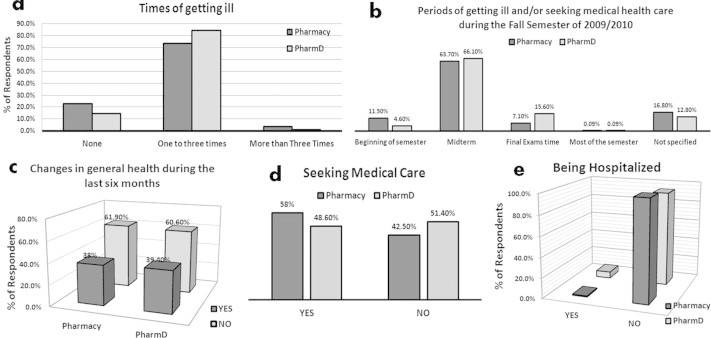
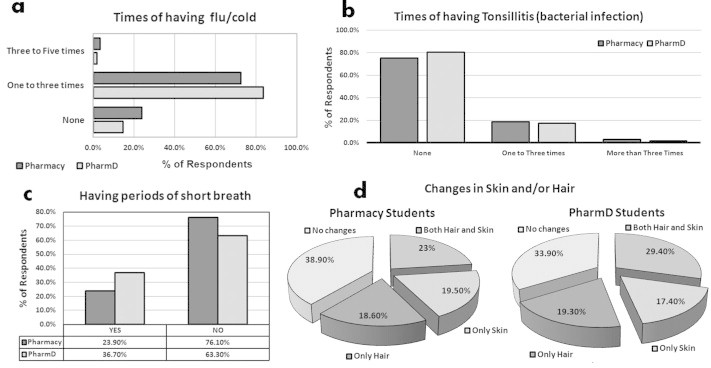
Stress in health sciences students has been studied extensively. Nevertheless, only few studies have been conducted on pharmacy students and nothing was done to compare stress effects on the immune responses of Pharmacy and Doctor of Pharmacy (PharmD) students. The aim of this pilot study was (1) to measure the self-reported perceived stresses, immune-related diseases and health outcomes of pharmacy and PharmD students, (2) to investigate the relationship between perceived stresses, health outcomes and immune-related diseases and (3) to compare stress induced changes in the health and immune system of pharmacy and PharmD students. The study represents a cross sectional survey using an interviewer administered questionnaire about stress and students' health states during the fall semester of 2009/2010. At commence of this study, 222 of pharmacy and PharmD participant students (113 and 109 respectively) from the third and uppermost levels of study were picked up randomly. They were found to perceive stress related to program intensity, lack of exercise and social activities, bad nutritional routines and accommodation. Effects of increased study loads on students' health and immune-related diseases were more pronounced on PharmD students, while showing significant changes on Pharmacy students. In general, more than 50% of students of each program got ill several times, mainly during the midterm period, had cold/flu, were under medical care and had problems in skin and/or hair. Also, PharmD students reported relatively higher levels of perceived stress and lower emotional and satisfaction quality of life compared to Pharmacy students. Results may help to increase the awareness of students to get prepared to what they might face, and may enable them to reduce the program's negative effects.
Keywords: Health-outcomes; Immune-related; PharmD; Pharmacy; Stress; Students.
Figures

References
-
- Alexis A.F., Dudda-Subramanya R., Sinha A.A. Alopecia areata: autoimmune basis of hair loss. Eur. J. Dermatol. 2004;14(6):364–370. - PubMed
-
- Biondi M., Zannino L.G. Psychological stress, neuroimmunomodulation, and susceptibility to infectious diseases in animals and man: a review. Psychother. Psychosom. 1997;66(1):3–26. - PubMed
-
- Bonnie, A., McGregor, Michael, H., Antoni, Rachel Ceballos, Bonnie, B., Blomberg., 2008. Very low CD19+ B-lymphocyte percentage is associated with high levels of academic stress among healthy graduate students. Stress Health 24 (5), 413–418.
-
- Bøyum A., Wiik P., Gustavsson E., Veiby O.P., Reseland J., Haugen A.H., Opstad P.K. The effect of strenuous exercise, calorie deficiency and sleep deprivation on white blood cells, plasma immunoglobulins and cytokines. Scand. J. Immunol. 1996;43(2):228–235. - PubMed
LinkOut - more resources
Full Text Sources
Other Literature Sources
Research Materials
