


Trabecular metal™ shoulder prosthesis in the treatment of complex proximal humeral fractures
- PMID: 23963320
- PMCID: PMC3824912
- DOI: 10.1007/s00264-013-2061-8
Trabecular metal™ shoulder prosthesis in the treatment of complex proximal humeral fractures
Abstract
Purpose: Shoulder arthroplasty is one of the options for the treatment of complex proximal humeral fractures. The purpose of this study was to assess the clinical and radiographic results of the trabecular metal shoulder prosthesis in the treatment of complex proximal humeral fractures.
Methods: Fifty-one consecutive patients with complex proximal humeral fractures who underwent primary shoulder arthroplasties with the trabecular metal™ prosthesis were enrolled in this study. At the final follow-up appointment, 42 of the patients (82.4% of the total patients enrolled) were available for both clinical and radiographic evaluation. There were 28 women and 14 men with a mean age of 65.4 ± 10.7 years. The dominant arm was involved in 30 of the cases. According to Neer's classification, there were seven three-part fractures, 27 four-part fractures and eight head-splitting fractures. Additionally, there were 37 hemiarthroplasties and five total shoulder arthroplasties.
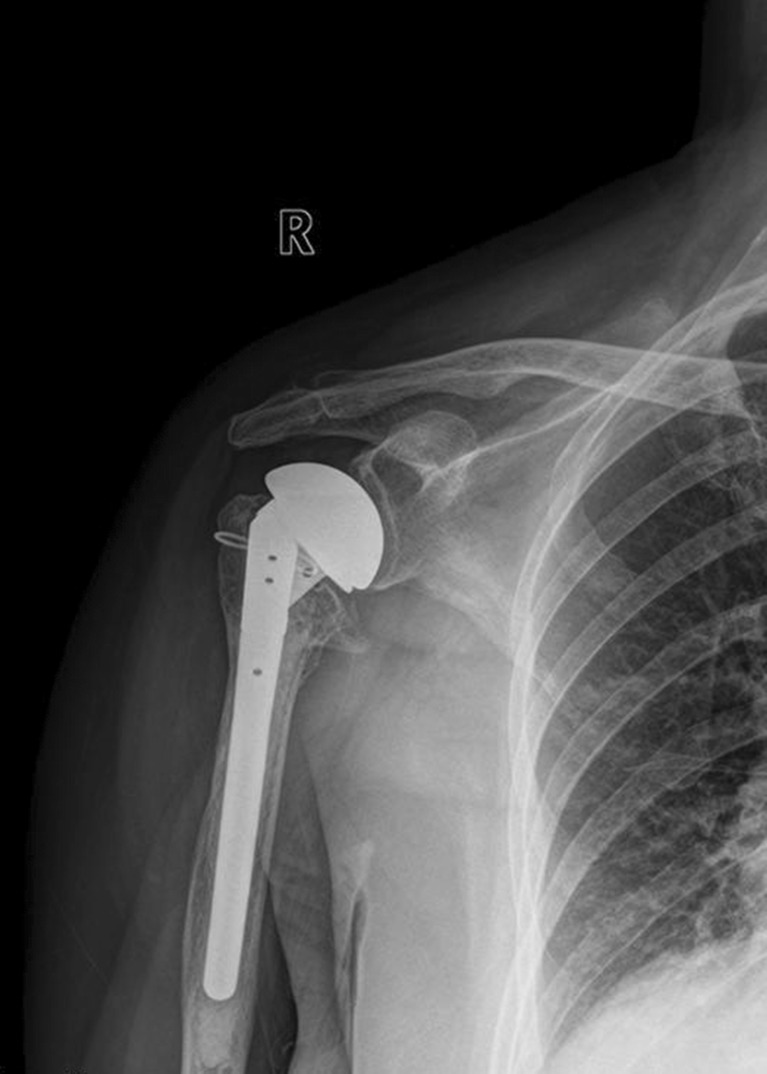
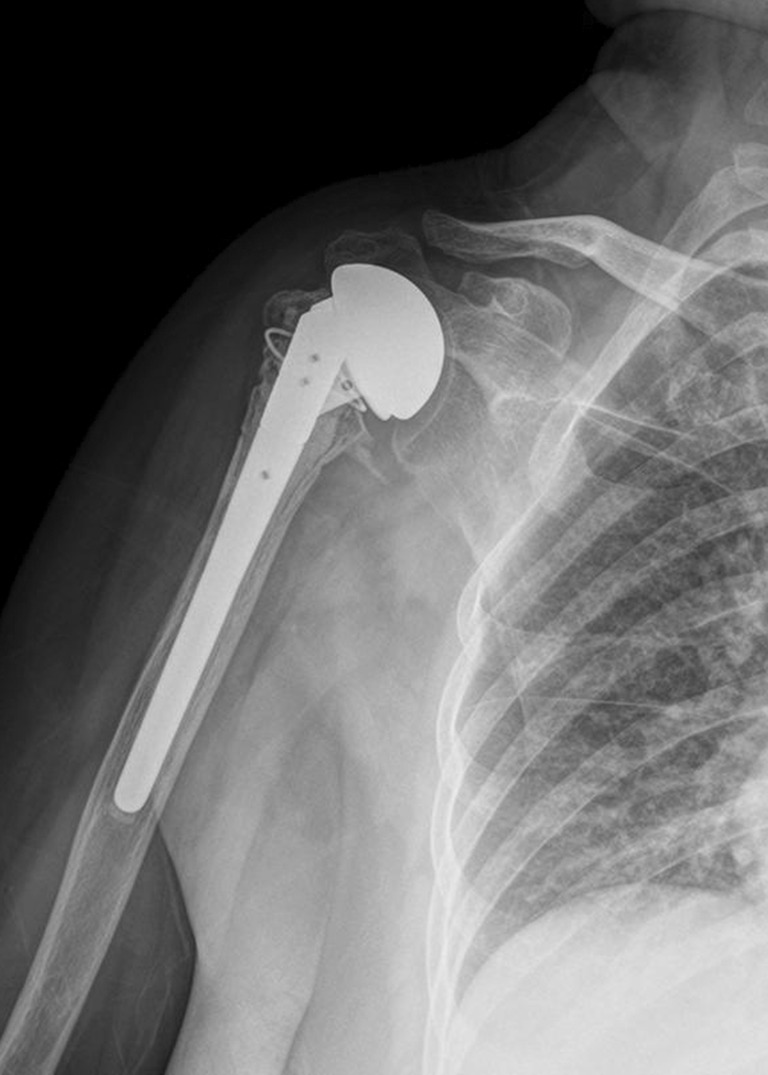
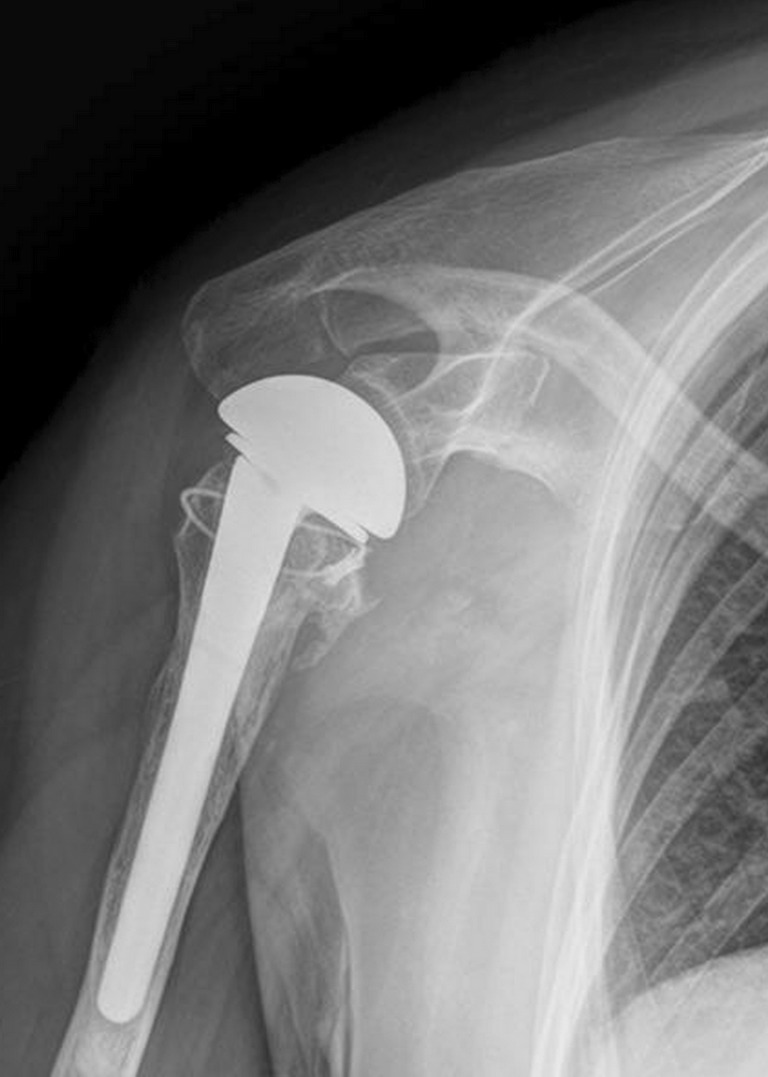
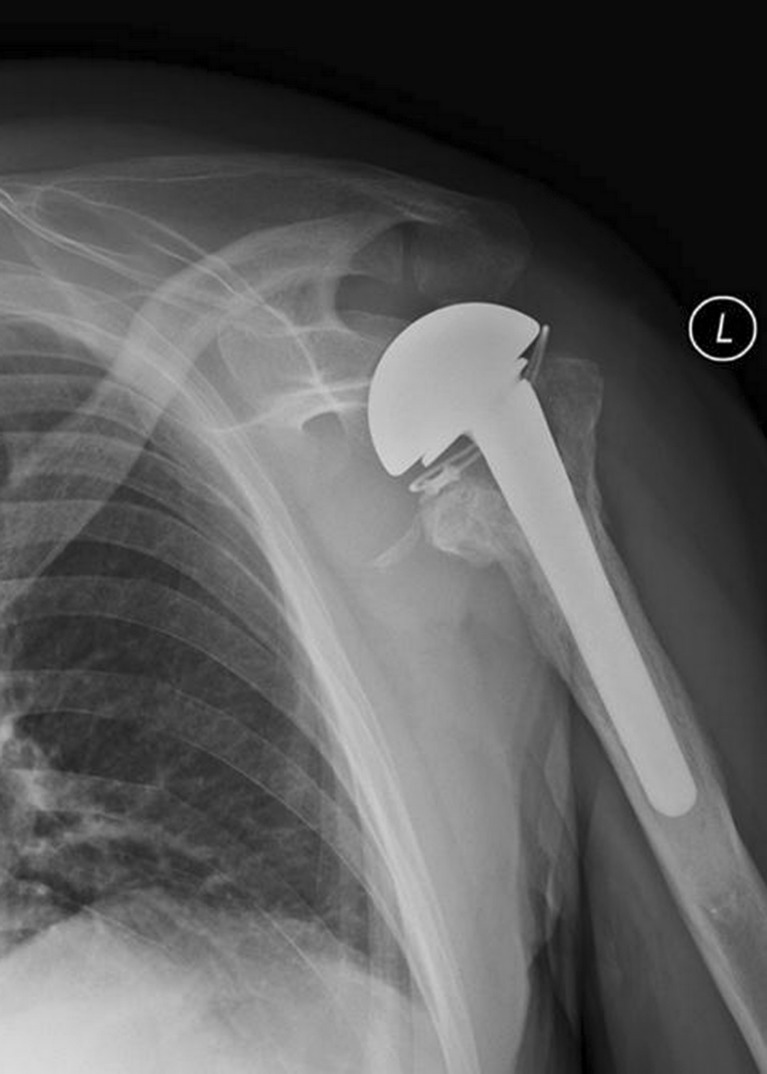
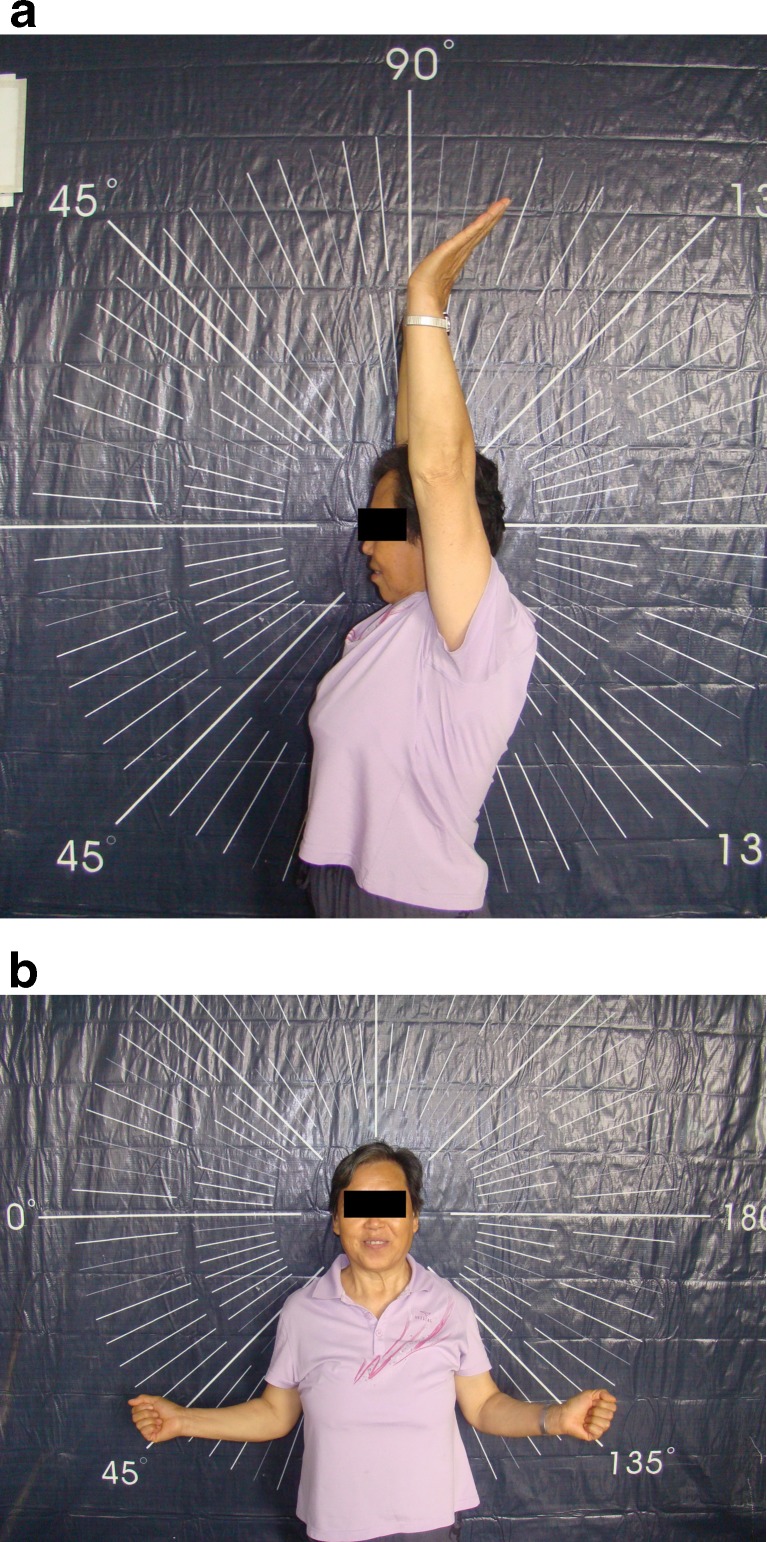
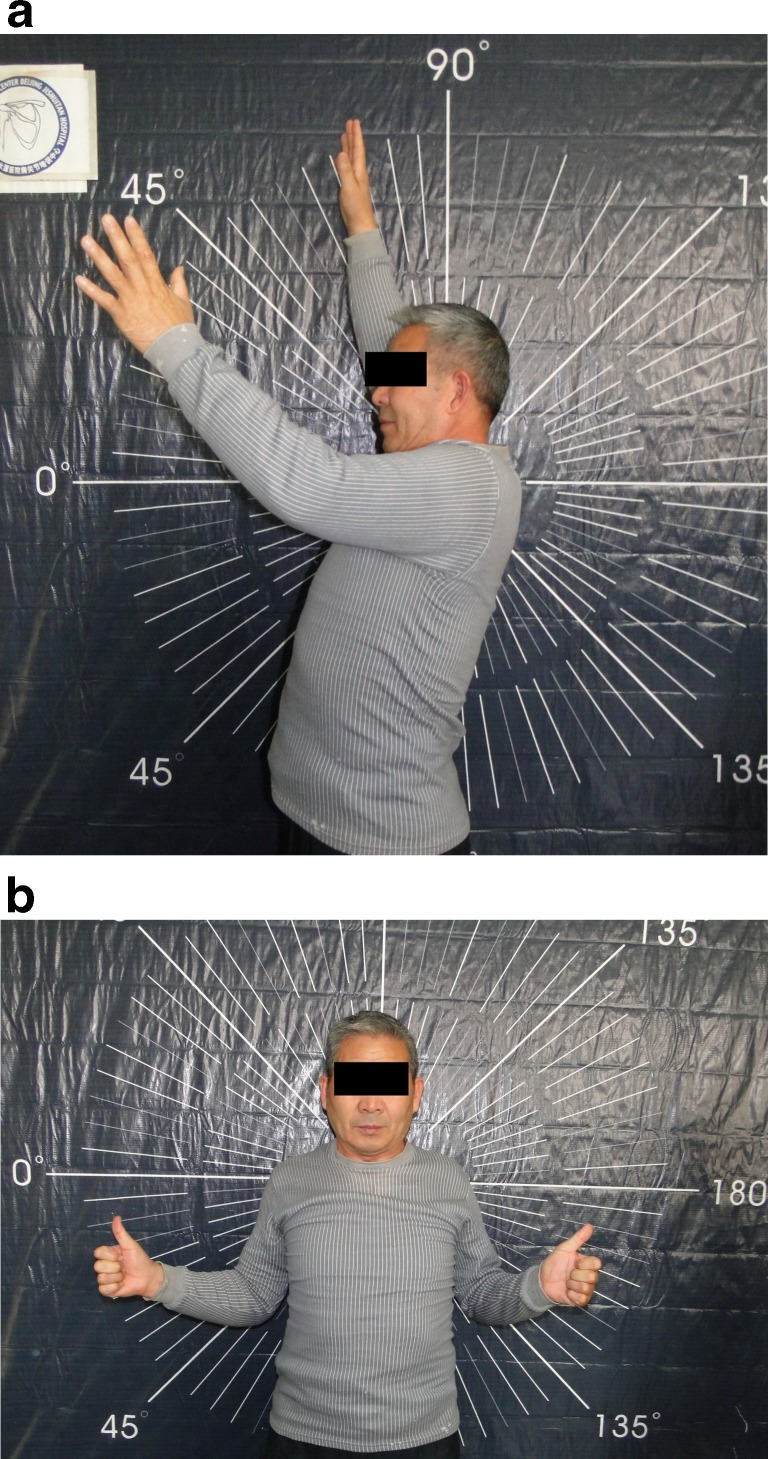
Results: After a mean follow-up of 37.0 ± 8.4 months (range 24-52 months), the average ranges of motion were: 38.6 ± 15.0° for external rotation, L3 level for internal rotation and 132.3 ± 36.0° for forward elevation. The mean American Shoulder and Elbow Surgeons, visual analogue scale and University of California, Los Angeles scores were 82.1 ± 14.1, 0.4 ± 1.1 and 28.8 ± 5.1, respectively. The post-operative radiographs exhibited an anatomically attached greater tuberosity in 39 of the 42 shoulders. Of the three patients with greater tuberosity complications, as displayed by their radiographs, two were observed with malpositioned tuberosities, while the other greater tuberosity was resorbed. Proximal migration of the prosthesis was observed in all three shoulders with greater tuberosity complications and in two shoulders with an anatomically attached greater tuberosity. No neurovascular injury, infection or prosthetic loosening was identified during the final follow-up appointments.
Conclusions: Satisfactory results can be expected with the trabecular metal shoulder prosthesis for the treatment of complex proximal humeral fractures. The post-operative radiographs demonstrated an anatomically healed greater tuberosity in 93 % of the patients at a minimum follow-up time of two years.
Figures
References
-
- Iannotti JP, Ramsey ML, Williams GR, Jr, Warner JJ. Nonprosthetic management of proximal humeral fractures. Instr Course Lect. 2004;53:403–416. - PubMed
-
- Compito CA, Self EB, Bigliani LU. Arthroplasty and acute shoulder trauma. Reasons for success and failure. Clin Orthop Relat Res. 1994;307:27–36. - PubMed
-
- Kontakis G, Koutras C, Tosounidis T, Giannoudis P. Early management of proximal humeral fractures with hemiarthroplasty: a systematic review. J Bone Joint Surg Br. 2008;90:1407–1413. - PubMed
-
- Iannotti JP, Gabriel JP, Schneck SL, Evans BG, Misra S. The normal glenohumeral relationships. An anatomical study of one hundred and forty shoulders. J Bone Joint Surg Am. 1992;74:491–500. - PubMed
MeSH terms
Substances
LinkOut - more resources
Full Text Sources
Other Literature Sources
Medical
