


Mortality in kittens is associated with a shift in ileum mucosa-associated enterococci from Enterococcus hirae to biofilm-forming Enterococcus faecalis and adherent Escherichia coli
- PMID: 23966487
- PMCID: PMC3889735
- DOI: 10.1128/JCM.00481-13
Mortality in kittens is associated with a shift in ileum mucosa-associated enterococci from Enterococcus hirae to biofilm-forming Enterococcus faecalis and adherent Escherichia coli
Abstract
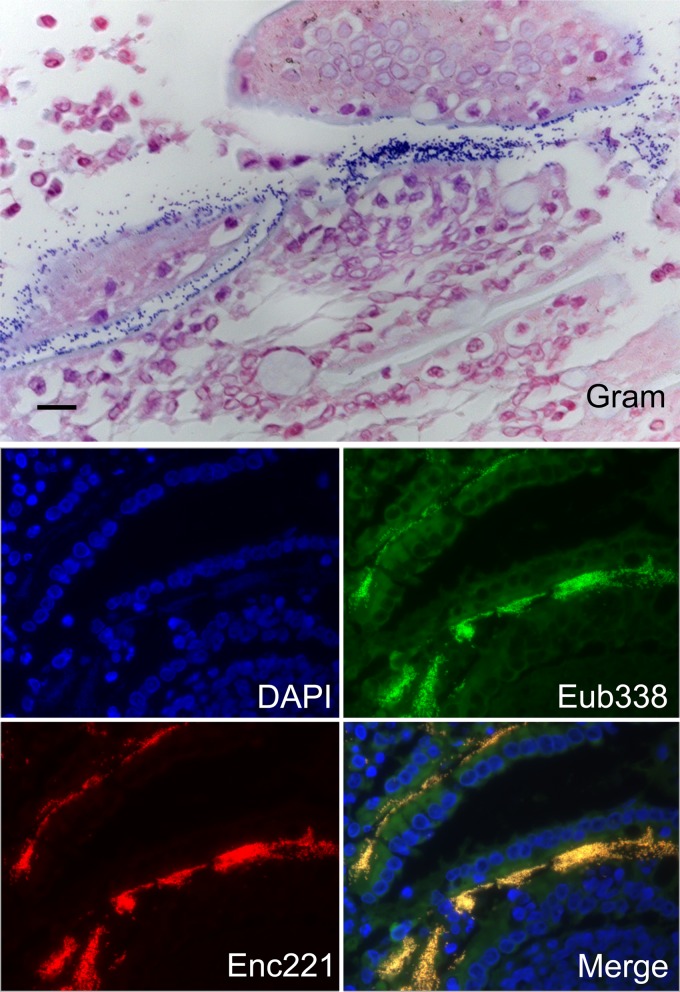
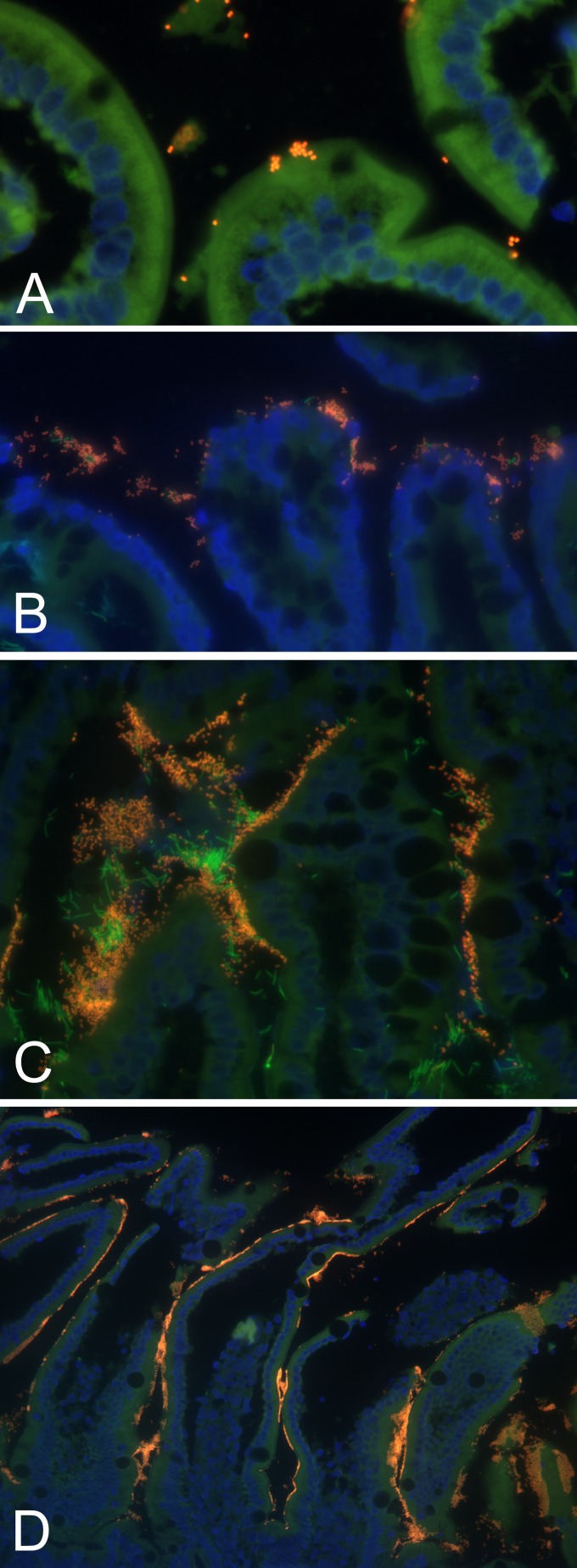
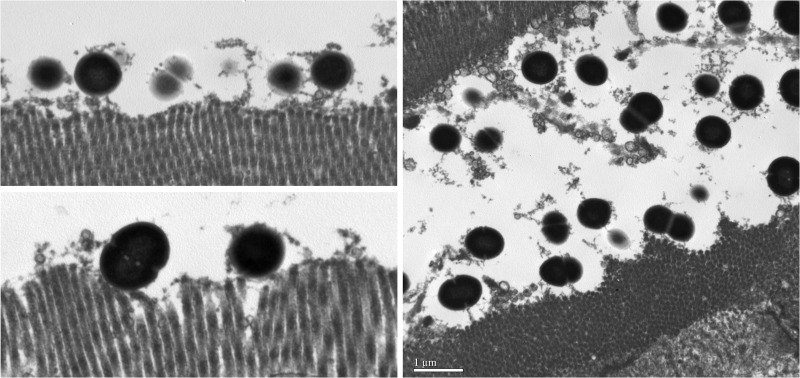
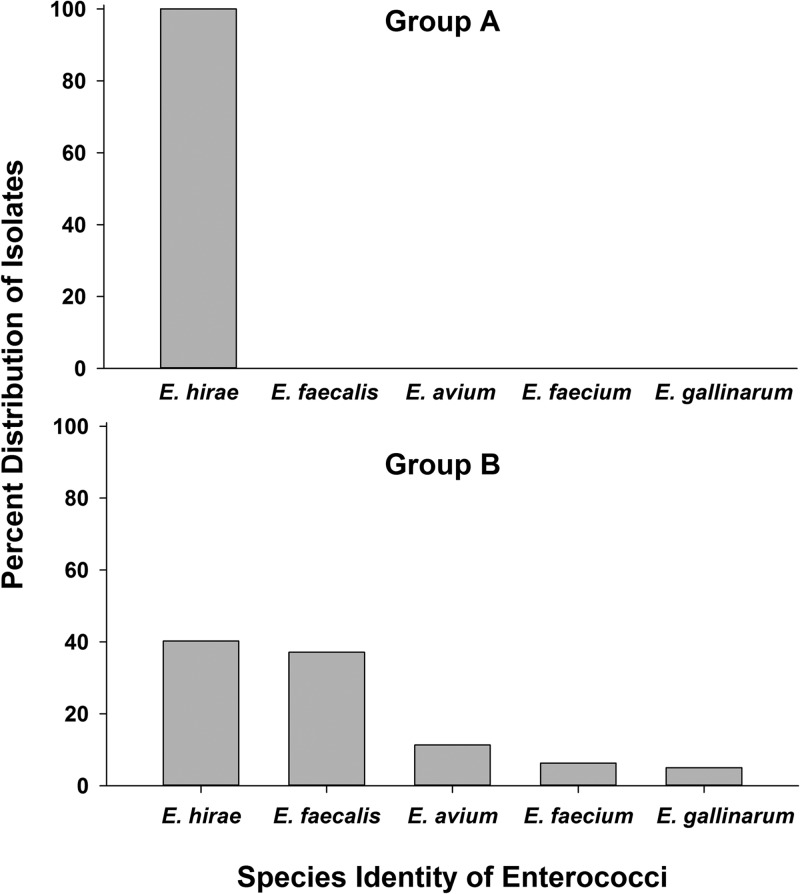
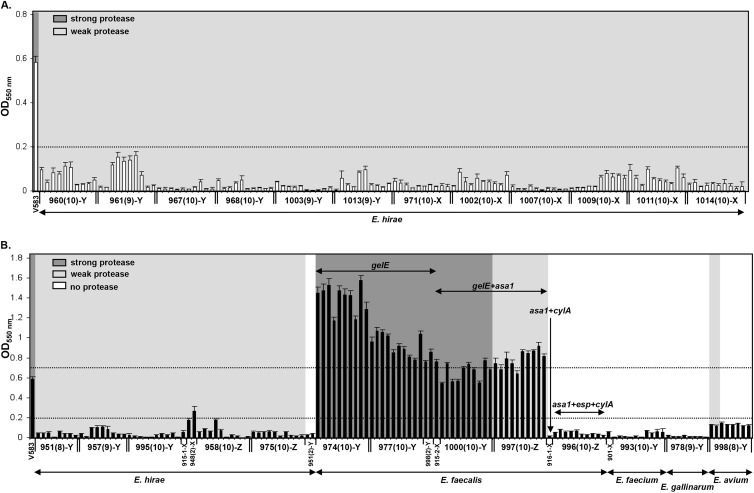
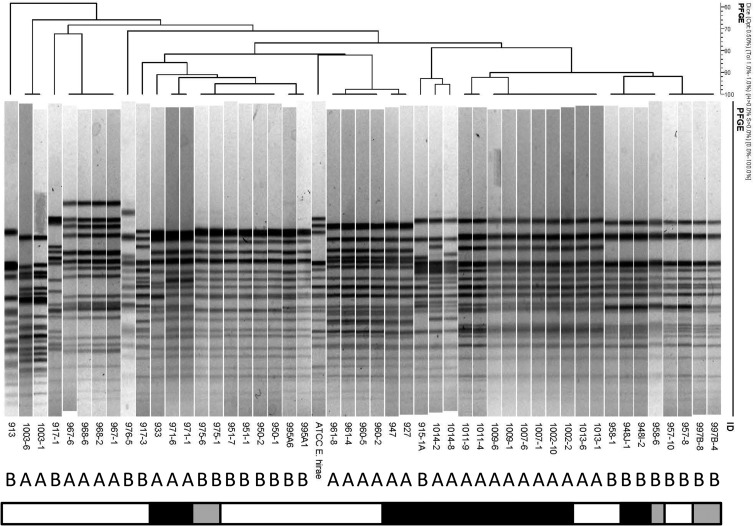
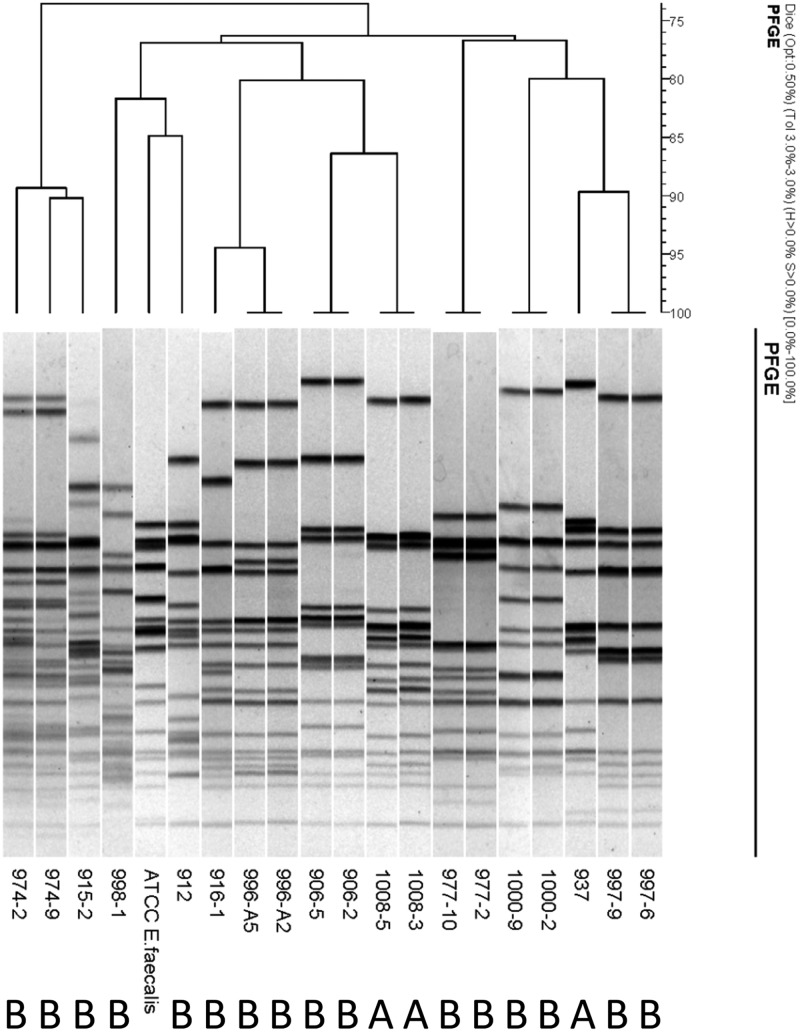
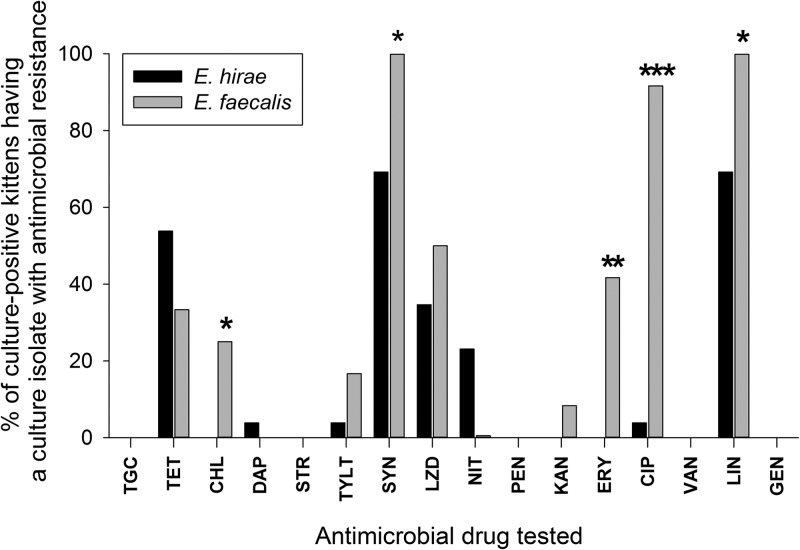
Approximately 15% of foster kittens die before 8 weeks of age, with most of these kittens demonstrating clinical signs or postmortem evidence of enteritis. While a specific cause of enteritis is not determined in most cases, these kittens are often empirically administered probiotics that contain enterococci. The enterococci are members of the commensal intestinal microbiota but also can function as opportunistic pathogens. Given the complicated role of enterococci in health and disease, it would be valuable to better understand what constitutes a "healthy" enterococcal community in these kittens and how this microbiota is impacted by severe illness. In this study, we characterized the ileum mucosa-associated enterococcal community of 50 apparently healthy and 50 terminally ill foster kittens. In healthy kittens, Enterococcus hirae was the most common species of ileum mucosa-associated enterococci and was often observed to adhere extensively to the small intestinal epithelium. These E. hirae isolates generally lacked virulence traits. In contrast, non-E. hirae enterococci, notably Enterococcus faecalis, were more commonly isolated from the ileum mucosa of kittens with terminal illness. Isolates of E. faecalis had numerous virulence traits and multiple antimicrobial resistances. Moreover, the attachment of Escherichia coli to the intestinal epithelium was significantly associated with terminal illness and was not observed in any kitten with adherent E. hirae. These findings identify a significant difference in the species of enterococci cultured from the ileum mucosa of kittens with terminal illness compared to the species cultured from healthy kittens. In contrast to prior case studies that associated enteroadherent E. hirae with diarrhea in young animals, these controlled studies identified E. hirae as more often isolated from healthy kittens and adherence of E. hirae as more common and extensive in healthy kittens than in sick kittens.
Figures
References
-
- American Veterinary Medical Association 2012. Overview: total pet ownership and pet population, p 31–32 In U.S. pet ownership and demographics sourcebook, section 1. American Veterinary Medical Association, Schaumburg, IL
-
- Scott FW, Geissinger C. 1978. Kitten mortality survey. Fel. Pract. 8:31–34
-
- Nutter FB, Levine JF, Stoskopf MK. 2004. Reproductive capacity of free-roaming domestic cats and kitten survival rate. J. Am. Vet. Med. Assoc. 225:1399–1402 - PubMed
-
- Young C. 1973. Preweaning mortality in specific pathogen-free kittens. J. Small Anim. Pract. 14:391–397 - PubMed
Publication types
MeSH terms
LinkOut - more resources
Full Text Sources
Other Literature Sources
Molecular Biology Databases
