


Chemokines and atherosclerosis: focus on the CX3CL1/CX3CR1 pathway
- PMID: 23974513
- PMCID: PMC4002164
- DOI: 10.1038/aps.2013.92
Chemokines and atherosclerosis: focus on the CX3CL1/CX3CR1 pathway
Abstract
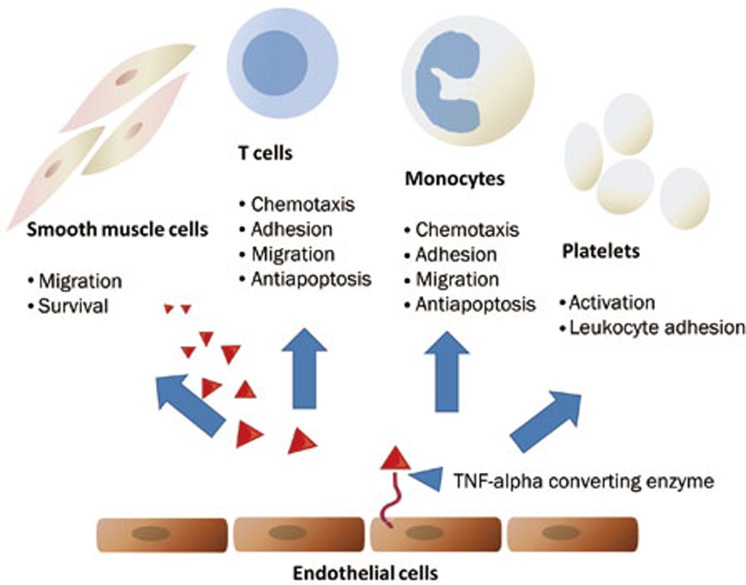
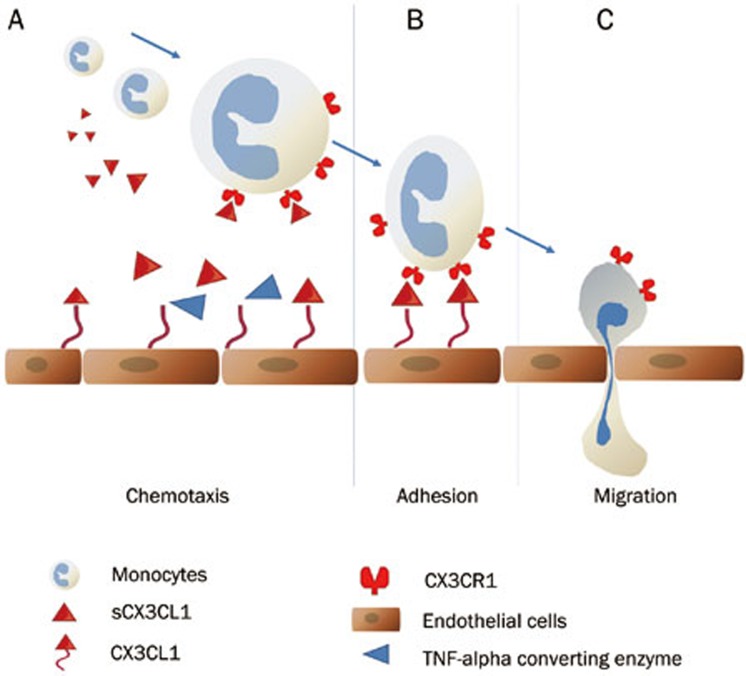
Atherosclerosis is currently considered an inflammatory disease. Much attention has been focused on the potential role of inflammatory mediators as prognostic/diagnostic markers or therapeutic targets of atherosclerotic cardiovascular disease. CX3CL1 (or fractalkine) is a structurally and functionally unique chemokine with a well documented role in atherosclerosis. In its membrane bound form it promotes the firm adhesion of rolling leucocytes onto the vessel wall, while in its soluble form it serves as a potent chemoattractant for CX3CR1-expressing cells. Additionally, CX3CL1 exerts cytotoxic effects on the endothelium as well as anti-apoptotic and proliferative effects on vascular cells, affecting the context and stability of the atherosclerotic plaque. Studies on animal models have shown that the blockade of the CX3CL1/CX3CR1 pathway ameliorates the severity of atherosclerosis, while genetic epidemiology has confirmed that a genetically-defined less active CX3CL1/CX3CR1 pathway is associated with a reduced risk of atherosclerotic disease in humans. Although several studies support an important pathogenic role of CX3CL1/CX3CR1 in atherogenesis and plaque destabilization, this does not necessarily suggest that this pathway is a suitable therapeutic target or that CX3CL1 can serve as a prognostic/diagnostic biomarker. Further studies on the CX3CL1/CX3CR1 chemokine pathway are clearly warranted to justify the clinical relevance of its role in atherosclerosis.
Figures
References
-
- Mirzaei M, Truswell AS, Taylor R, Leeder SR. Coronary heart disease epidemics: not all the same. Heart. 2009;95:740–6. - PubMed
-
- European Heart Network. European cardiovascular disease statistics. 2008 edition.
-
- Ross R. Atherosclerosis — an inflammatory disease. N Engl J Med. 1999;340:115–26. - PubMed
-
- Ross R, Glomset JA. The pathogenesis of atherosclerosis (second of two parts) N Engl J Med. 1976;295:420–5. - PubMed
-
- Ross R, Glomset JA. The pathogenesis of atherosclerosis (first of two parts) N Engl J Med. 1976;295:369–77. - PubMed
Publication types
MeSH terms
Substances
LinkOut - more resources
Full Text Sources
Other Literature Sources
Medical
Research Materials
Miscellaneous
