Mom knows best: the universality of maternal microbial transmission
- PMID: 23976878
- PMCID: PMC3747981
- DOI: 10.1371/journal.pbio.1001631
Mom knows best: the universality of maternal microbial transmission
Abstract
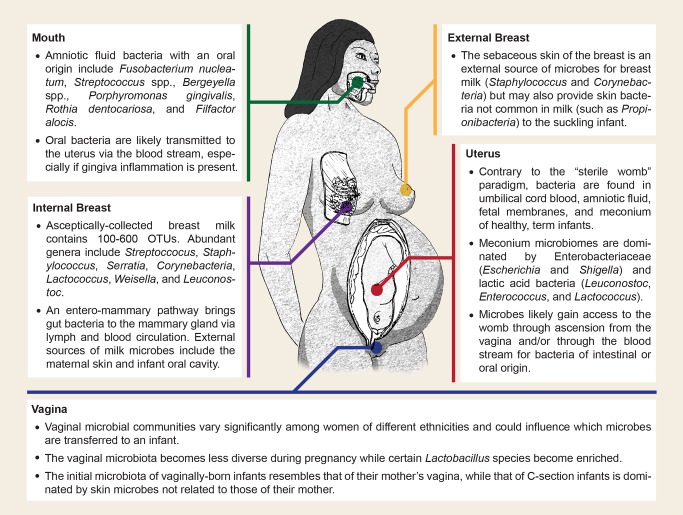
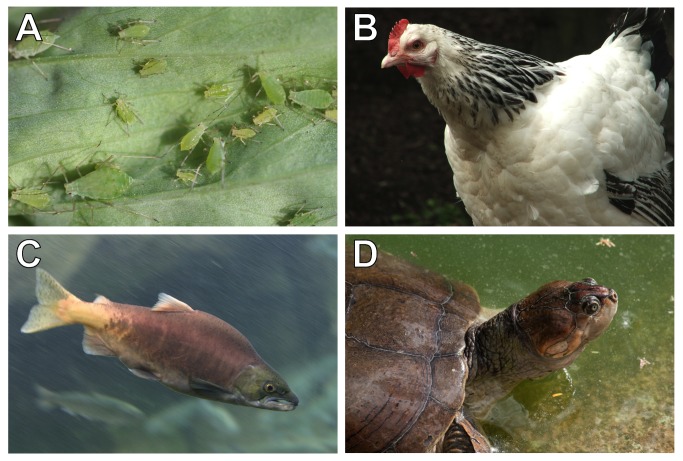
The sterile womb paradigm is an enduring premise in biology that human infants are born sterile. Recent studies suggest that infants incorporate an initial microbiome before birth and receive copious supplementation of maternal microbes through birth and breastfeeding. Moreover, evidence for microbial maternal transmission is increasingly widespread across animals. This collective knowledge compels a paradigm shift—one in which maternal transmission of microbes advances from a taxonomically specialized phenomenon to a universal one in animals. It also engenders fresh views on the assembly of the microbiome, its role in animal evolution, and applications to human health and disease.
Conflict of interest statement
The authors have declared that no competing interests exist.
Figures
References
-
- Murgas Torrazza R, Neu J (2011) The developing intestinal microbiome and its relationship to health and disease in the neonate. J Perinatol 31 Suppl 1: S29–34. - PubMed
-
- Ley RE, Turnbaugh PJ, Klein S, Gordon JI (2006) Microbial ecology: human gut microbes associated with obesity. Nature 444: 1022–1023. - PubMed
-
- Turnbaugh PJ, Ley RE, Mahowald MA, Magrini V, Mardis ER, et al. (2006) An obesity-associated gut microbiome with increased capacity for energy harvest. Nature 444: 1027–1031. - PubMed
Publication types
MeSH terms
Grants and funding
LinkOut - more resources
Full Text Sources
Other Literature Sources
Medical