


The nitrate transporter (NRT) gene family in poplar
- PMID: 23977227
- PMCID: PMC3747271
- DOI: 10.1371/journal.pone.0072126
The nitrate transporter (NRT) gene family in poplar
Abstract
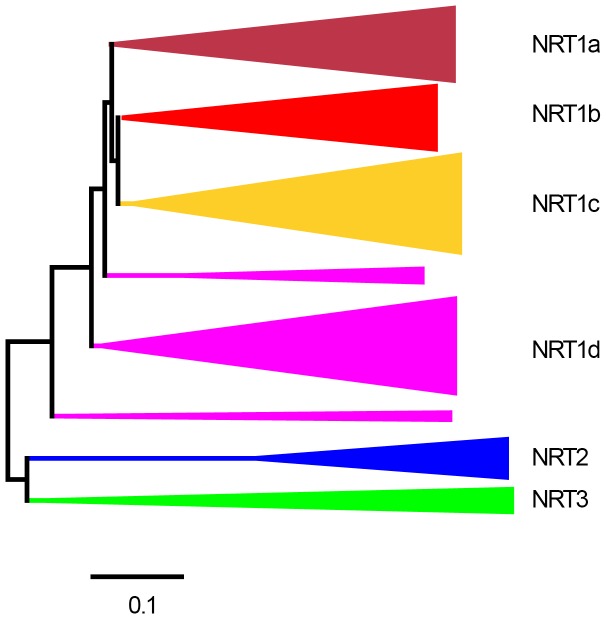
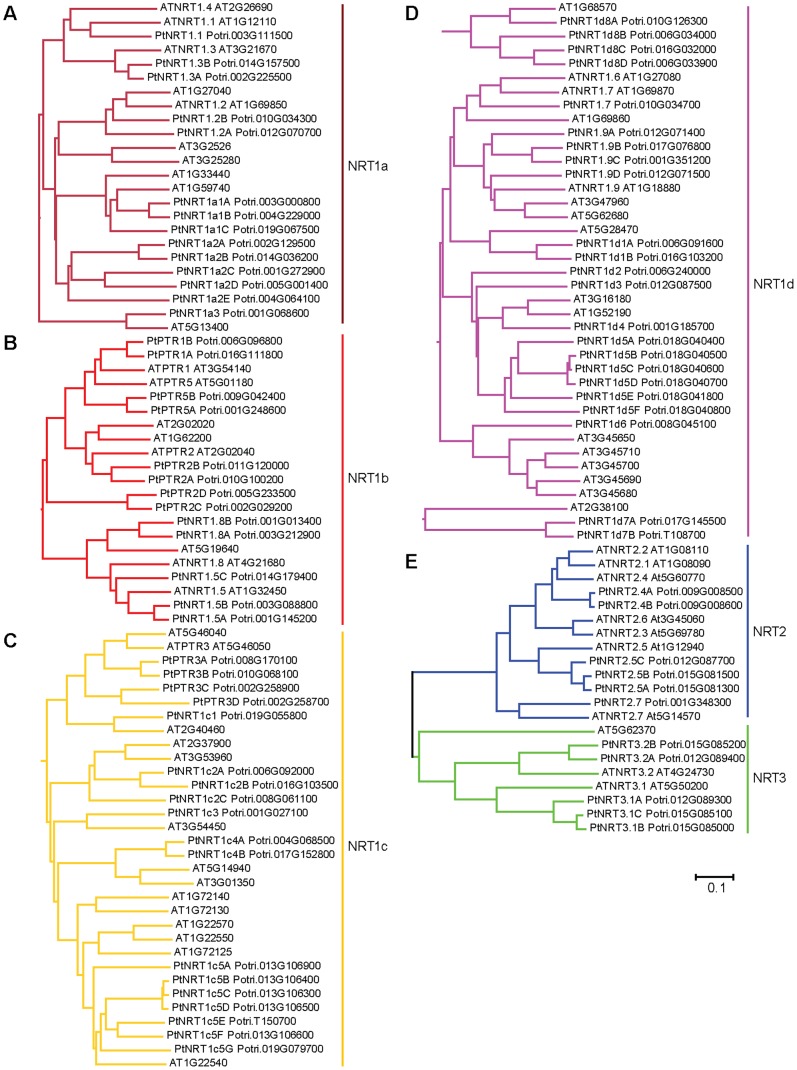
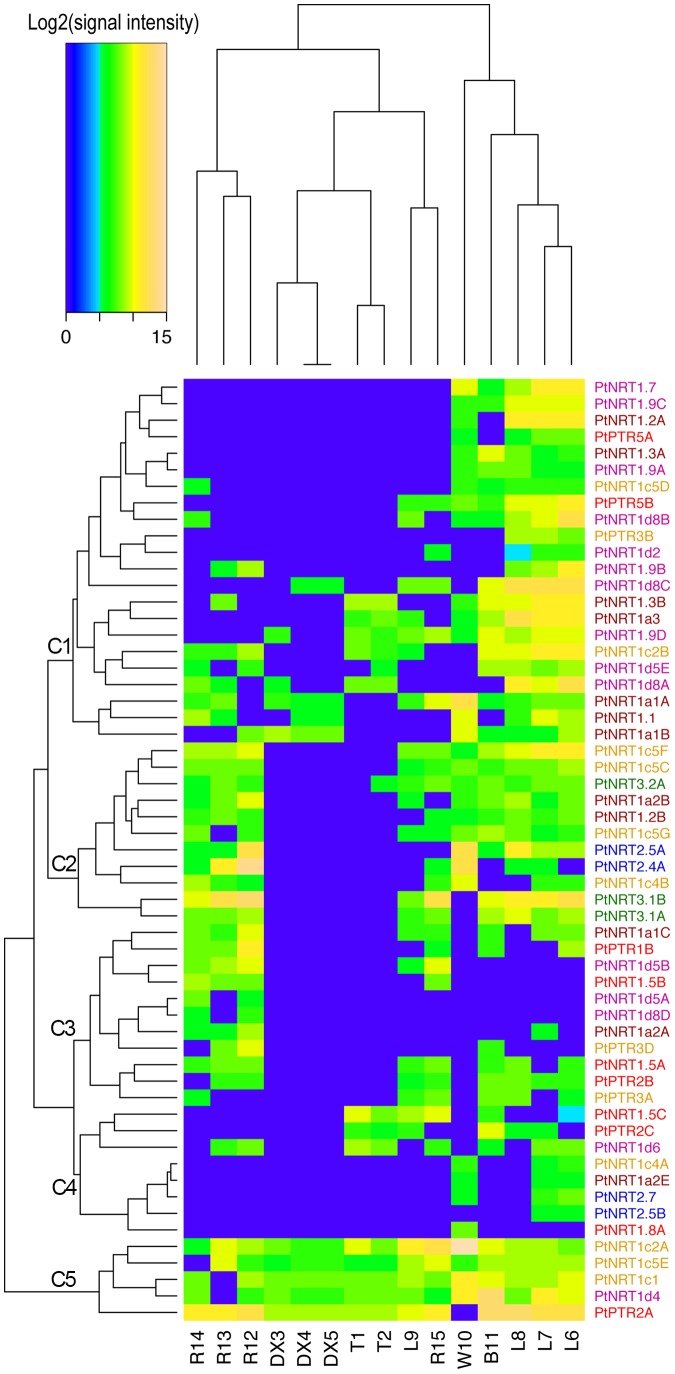
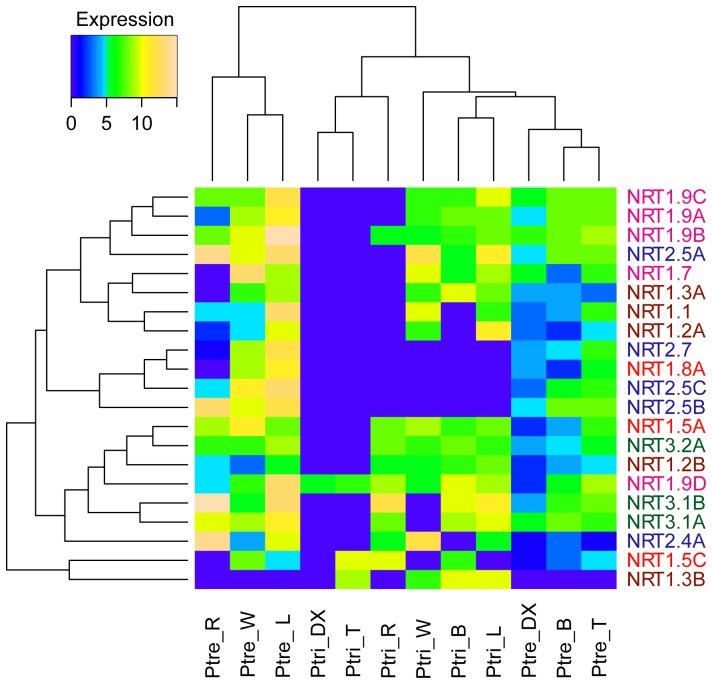
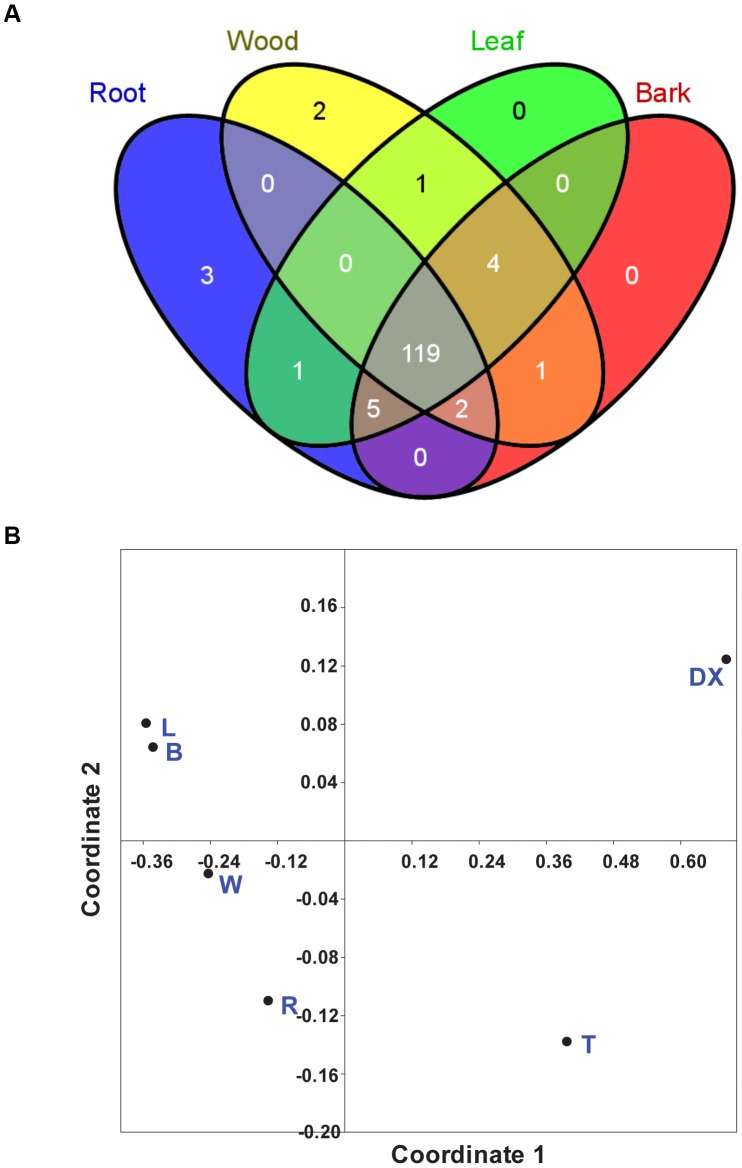
Nitrate is an important nutrient required for plant growth. It also acts as a signal regulating plant development. Nitrate is actively taken up and transported by nitrate transporters (NRT), which form a large family with many members and distinct functions. In contrast to Arabidopsis and rice there is little information about the NRT family in woody plants such as Populus. In this study, a comprehensive analysis of the Populus NRT family was performed. Sixty-eight PtNRT1/PTR, 6 PtNRT2, and 5 PtNRT3 genes were identified in the P. trichocarpa genome. Phylogenetic analysis confirmed that the genes of the NRT family are divided into three clades: NRT1/PTR with four subclades, NRT2, and NRT3. Topological analysis indicated that all members of PtNRT1/PTR and PtNRT2 have 8 to 12 trans-membrane domains, whereas the PtNRT3 proteins have no or up to two trans-membrane domains. Four PtNRT3 members were predicted as secreted proteins. Microarray analyses revealed tissue-specific expression patterns of PtNRT genes with distinct clusters of NRTs for roots, for the elongation zone of the apical stem segment and the developing xylem and a further cluster for leaves, bark and wood. A comparison of different poplar species (P. trichocarpa, P. tremula, P. euphratica, P. fremontii x P. angustifolia, and P. x canescens) showed that the tissue-specific patterns of the NRT genes varied to some extent with species. Bioinformatic analysis of putative cis-regulatory elements in the promoter regions of PtNRT family retrieved motifs suggesting the regulation of the NRT genes by N metabolism, by energy and carbon metabolism, and by phytohormones and stress. Multivariate analysis suggested that the combination and abundance of motifs in distinct promoters may lead to tissue-specificity. Our genome wide analysis of the PtNRT genes provides a valuable basis for functional analysis towards understanding the role of nitrate transporters for tree growth.
Conflict of interest statement
Figures
References
-
- Wang YY, Hsu PK, Tsay YF (2012) Uptake, allocation and signaling of nitrate. Trends Plant Sci 17: 458–467 doi: 10.1016/j.tplants.2012.04.006 - DOI - PubMed
-
- Gojon A, Krouk G, Perrine WF, Laugier E (2011) Nitrate transceptor(s) in plants. J Exp Bot 62: 2299–2308 doi: 10.1093/jxb/erq419 - DOI - PubMed
-
- Dechorgnat J, Nguyen CT, Armengaud P, Jossier M, Diatloff E, et al. (2010) From the soil to the seeds: the long journey of nitrate in plants. J Exp Bot 62: 1349–1359 doi: 10.1093/jxb/erq409 - DOI - PubMed
-
- Crawford NM, Glass ADM (1998) Molecular and physiological aspects of nitrate uptake in plants. Trends Plant Sci 3: 389–395 doi: 10.1016/S1360-1385(98)01311-9 - DOI
-
- Feng H, Yan M, Fan X, Li B, Shen Q, et al. (2011) Spatial expression and regulation of rice high-affinity nitrate transporters by nitrogen and carbon status. J Exp Bot. 62: 2319–2332 doi: 10.1093/jxb/erq403 - DOI - PubMed
Publication types
MeSH terms
Substances
LinkOut - more resources
Full Text Sources
Other Literature Sources
