Review
. 2013 Dec;7(6):631-46.
doi: 10.1586/17476348.2013.834252. Epub 2013 Aug 27.

Mitochondria in lung diseases

Affiliations
Review

Mitochondria in lung diseases

Bharathi Aravamudan et al. Expert Rev Respir Med. 2013 Dec.

Abstract

Mitochondria are autonomous cellular organelles that oversee a variety of functions such as metabolism, energy production, calcium buffering and cell fate determination. Regulation of their morphology and diverse activities beyond energy production are being recognized as playing major roles in cellular health and dysfunction. This review is aimed at summarizing what is known regarding mitochondrial contributions to pathogenesis of lung diseases. Emphasis is given to understanding the importance of structural and functional aspects of mitochondria in both normal cellular function (based on knowledge from other cell types) and in development and modulation of lung diseases such as asthma, chronic obstructive pulmonary disease, cystic fibrosis and cancer. Emerging techniques that allow examination of mitochondria, and potential strategies to target mitochondria in the treatment of lung diseases are also discussed.


Figures
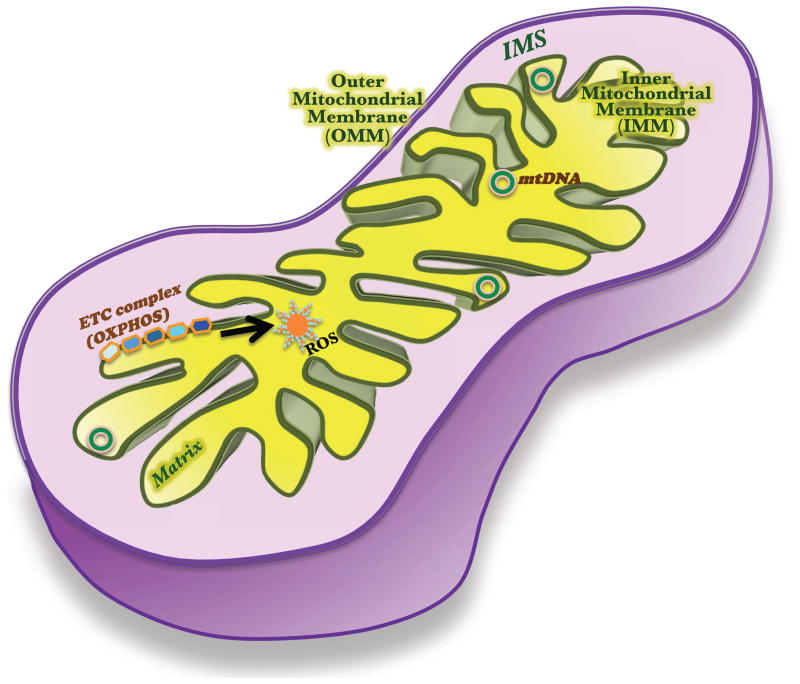
Figure 1
Figure 1. The mitochondrion
This semi-autonomous organelle is bounded by the outer mitochondrial membrane (OMM), which is separated from the second, inner mitochondrial membrane (IMM) by the intermembrane space (IMS). The mitochondrial DNA (mtDNA) codes mainly for electron transport chain (ETC) proteins, which via a series of oxidative phosphorylation reactions (OXPHOS), produce ATP (energy) and reactive oxygen species (ROS).
Figure 2
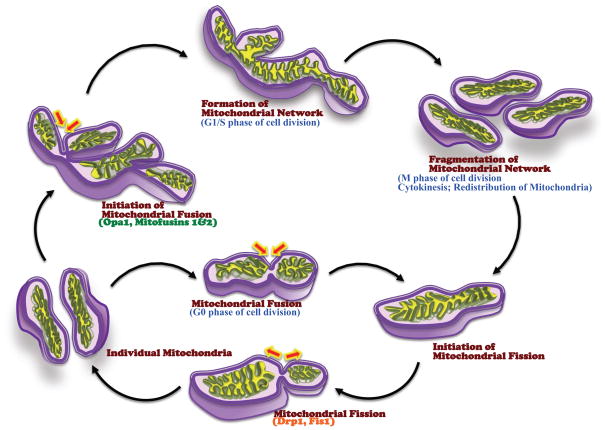
Figure 2. Mitochondrial fission-fusion cycle vs. the cell cycle
During the quiescent (G0) phase, mitochondria fragment and rejoin, maintaining a constant mitochondrial number in the cell. When the cell enters mitosis (M phase), fusion is favored, and is driven by Opa1 and the mitofusins Mfn1 and Mfn2. As cell division comes to a close, the mitochondrial networks break apart and the mitochondria are redistributed between the daughter cells.
Figure 3
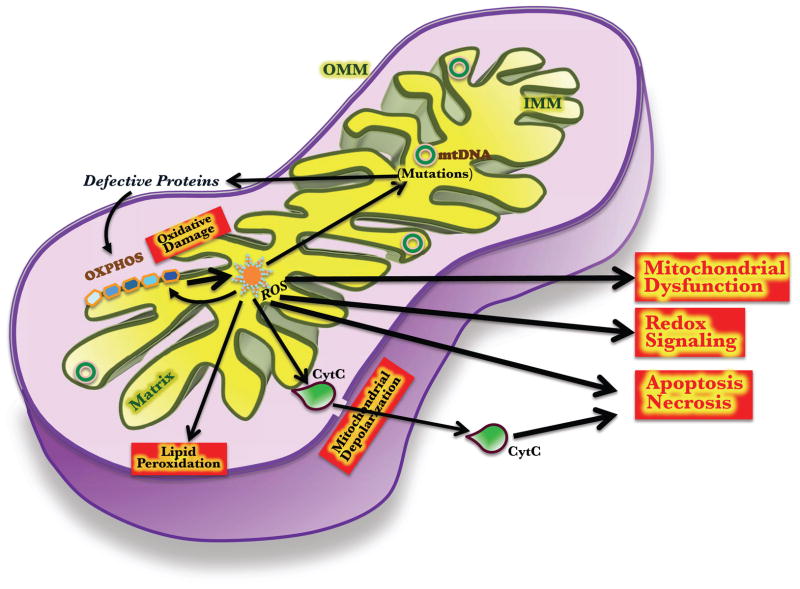
Figure 3. Mitochondrial regulation of cellular functions
ROS produced by normal (and abnormal) glucose and fatty acid metabolism can induce mutations in mtDNA, which in turn can give rise to aberrant ETC proteins, and thus decrease the primary function of the mitochondria: energy production. Lipid peroxidation, and activation of cytoplasmic signals by ROS can lead the cell to apoptosis or senescence. Leakage of apoptosis mediators such as Cytochrome C (CytC), due to OMM depolarization can also initiate apoptosis.
Figure 4
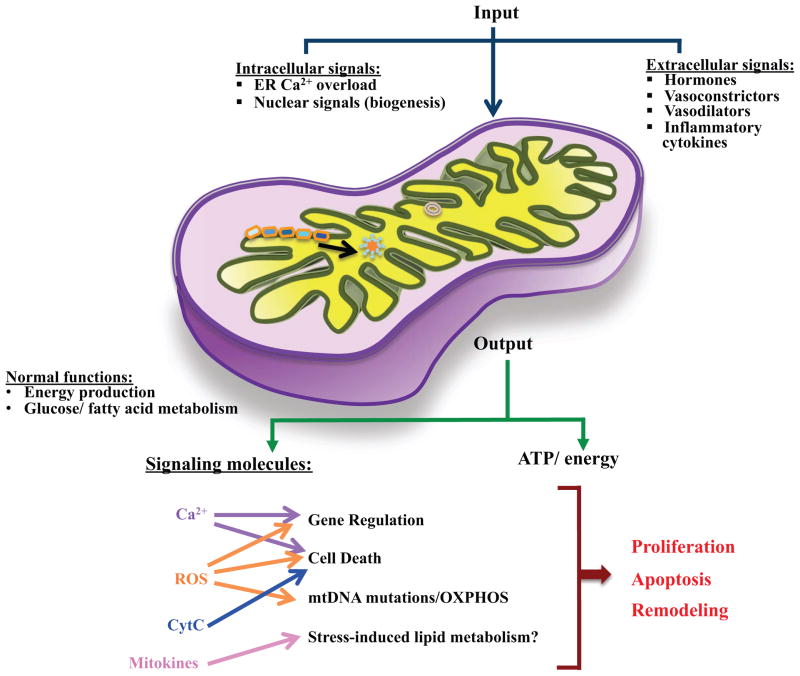
Figure 4. Mitochondrial contribution to lung diseases
By receiving and processing intra- and extracellular signals (especially in chronic inflammation), mitochondria can be a major source for signaling and secondary messengers (ROS, Ca2+ etc). Unregulated production of these factors perturbs the proliferation-apoptosis balance of lung cells, and makes the environment conducive for altered cellular structure (proliferation greater than apoptosis) and other aspects of lung disease such as altered cellular protein production.

References

    1. Green DR, Galluzzi L, Kroemer G. Mitochondria and the autophagy-inflammation-cell death axis in organismal aging. Science. 2011;333(6046):1109–1112. - PMC - PubMed
    1. Scarpulla RC. Transcriptional paradigms in mammalian mitochondrial biogenesis and function. Physiol Rev. 2008;88(2):611–638. - PubMed
    1. Pendyala S, Natarajan V. Redox regulation of Nox proteins. Respir Physiol Neurobiol. 2010;174(3):265–271. - PMC - PubMed
    1. Poyton RO, Ball KA, Castello PR. Mitochondrial generation of free radicals and hypoxic signaling. Trends Endocrinol Metab. 2009;20(7):332–340. - PubMed
    1. Al Ghouleh I, Khoo NK, Knaus UG, et al. Oxidases and peroxidases in cardiovascular and lung disease: new concepts in reactive oxygen species signaling. Free Radic Biol Med. 2011;51(7):1271–1288. - PMC - PubMed

Publication types

MeSH terms