


The secret "spice": an undetectable toxic cause of seizure
- PMID: 23983854
- PMCID: PMC3726077
- DOI: 10.1177/1941874411417977
The secret "spice": an undetectable toxic cause of seizure
Abstract
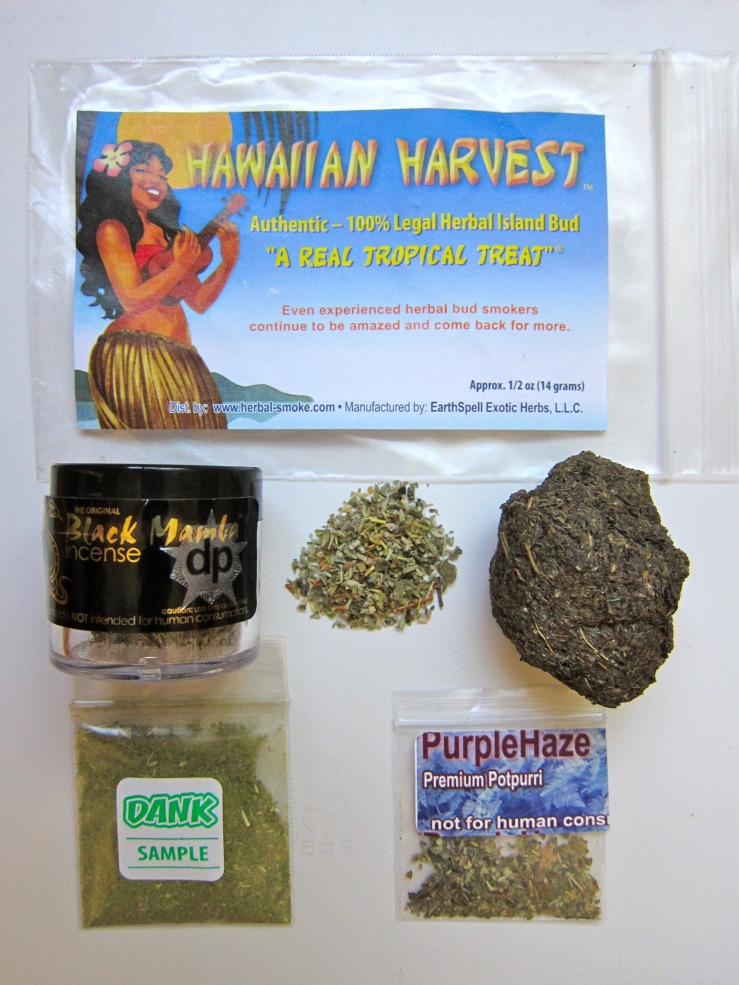
Neurologists and emergency department physicians are frequently involved in the comprehensive evaluation of a first generalized seizure. An important aspect of this evaluation is a detailed history which can identify a provoked seizure secondary to drug toxicity and hence avoid unnecessary treatment with antiepileptic drugs. "Spice" is an umbrella term for a variety of synthetic cannabinoid products whose inhalation has been associated with an increasing number of toxic side effects resulting in emergency department visits. These side effects (including psychosis, tachyarrhythmia, and seizures) are not typically seen with marijuana (Cannabis sativa) use. We report 2 patients with no prior history of neurological disease that experienced their first generalized tonic-clonic seizure after smoking Spice. The mechanism behind the possible proconvulsant effect of synthetic cannabinoids is not known, but it may be due to their effects at the cannabinoid receptor CB1. Although the US Drug Enforcement Administration placed 5 synthetic cannabinoids into schedule 1 for a 12-month period beginning March 2011, new Spice products containing different synthetic cannabinoids continue to emerge. Because synthetic cannabinoids are not detectable on commercial drug screens it is important that neurologists and emergency department physicians consider Spice inhalation in their differential diagnosis of a first generalized seizure.
Keywords: Spice; cannabis toxicity; first generalized seizure; marijuana toxicity; provoked seizure; synthetic cannabinoid; toxic seizure.
Conflict of interest statement
The author(s) declared no potential conflicts of interest with respect to the research, authorship, and/or publication of this article.
Figures
References
-
- Jallon P, Loiseau P, Loiseau J. Newly diagnosed unprovoked epileptic seizures: presentation at diagnosis in CAROLE study. Coordination Active du Réseau Observatoire Longitudinal de l’ Epilepsie. Epilepsia. 2001;42(4):464–475 - PubMed
-
- Hauser WA, Beghi E. First seizure definitions and worldwide incidence and mortality. Epilepsia. 2008;49(suppl 1):8–12 - PubMed
-
- Hesdorffer DC, Benn EKT, Cascino GD, Hauser WA. Is a first acute symptomatic seizure epilepsy? Mortality and risk for recurrent seizure. Epilepsia. 2009;50(5):1102–1108 - PubMed
-
- Wyllie E, Gupta A, Lachwan D. The Treatment of Epilepsy: Principles & Practice. 4th ed. Philadelphia, PA: Lippincott Williams & Wilkins;2006:578–580
-
- Wehrman J. Fake marijuana spurs more than 2,000 calls to U.S. Poison centers this year alone. American Association of Poison Control Centers. November 22, 2010. http://aapcc.org/dnn/Portals/0/Nov22revisedk2release.pdf Accessed April 23, 2011
LinkOut - more resources
Full Text Sources