


Cutting edge: DNA sensing via the STING adaptor in myeloid dendritic cells induces potent tolerogenic responses
- PMID: 23986532
- PMCID: PMC3788571
- DOI: 10.4049/jimmunol.1301419
Cutting edge: DNA sensing via the STING adaptor in myeloid dendritic cells induces potent tolerogenic responses
Abstract
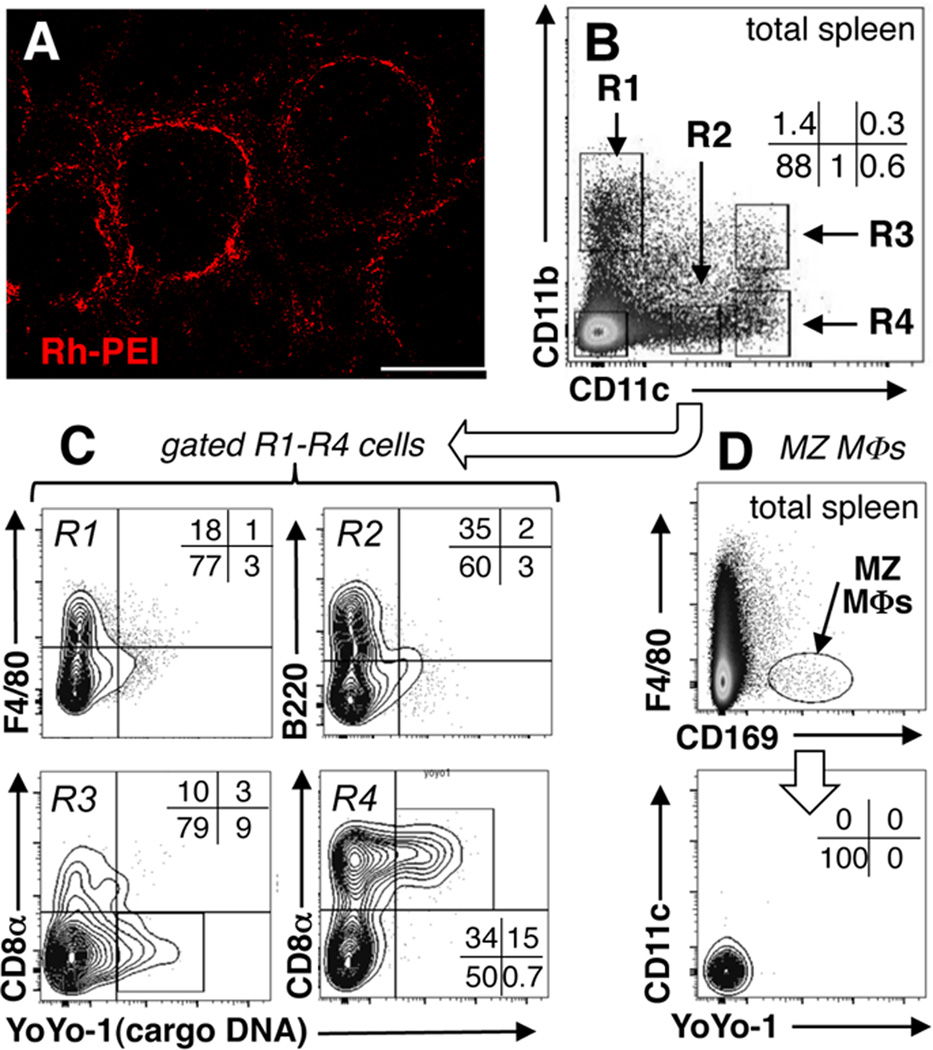
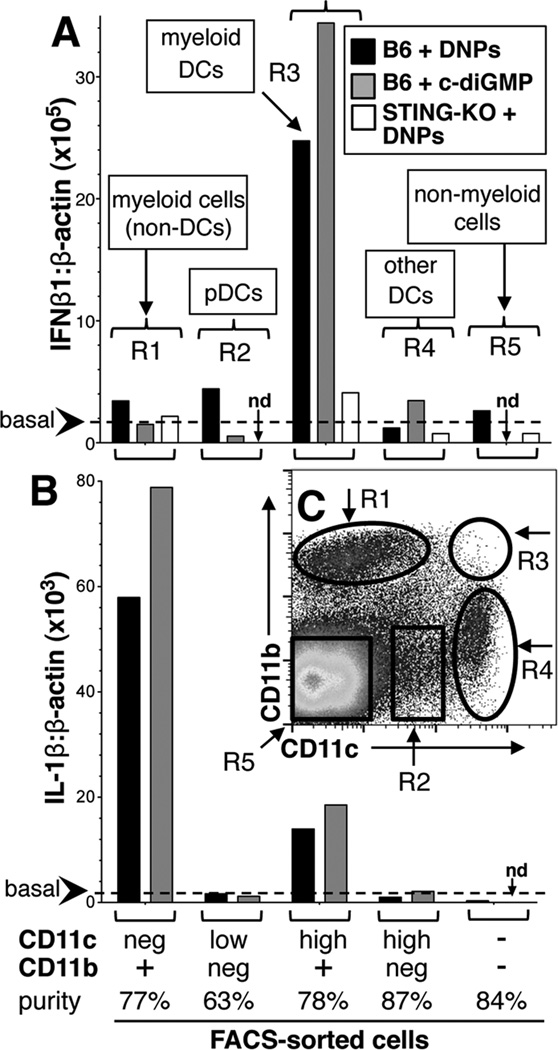
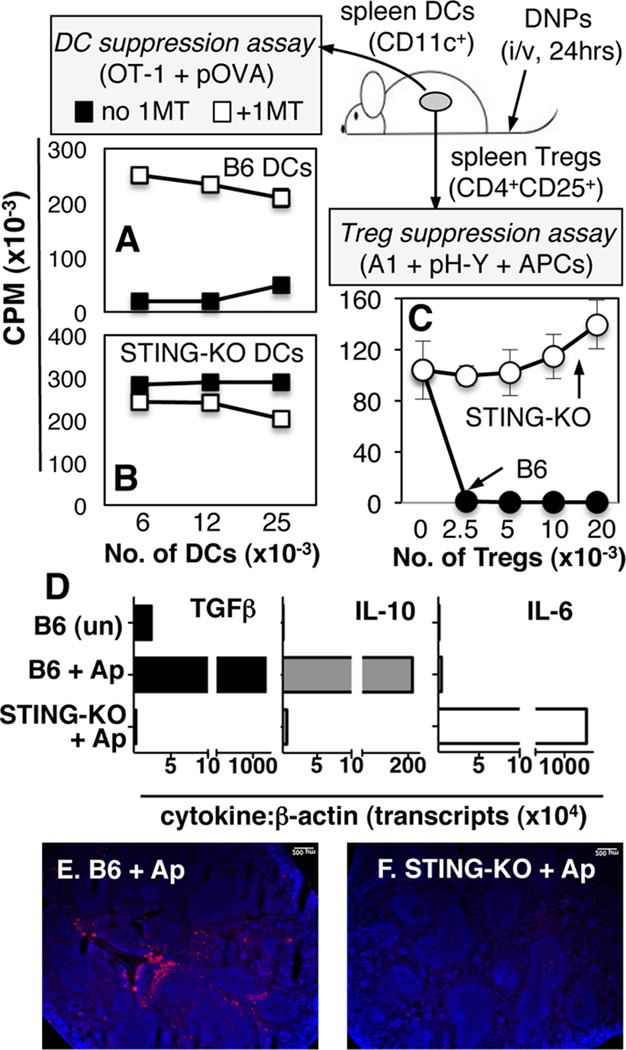
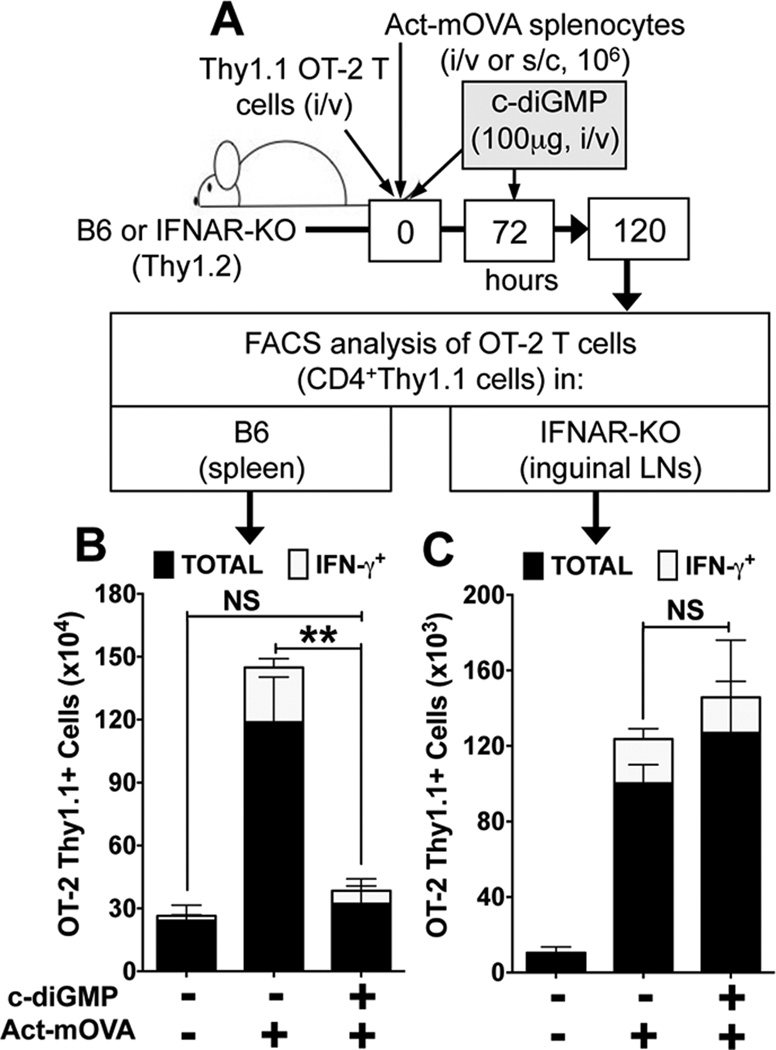
Cytosolic DNA sensing via the stimulator of IFN genes (STING) adaptor incites autoimmunity by inducing type I IFN (IFN-αβ). In this study, we show that DNA is also sensed via STING to suppress immunity by inducing IDO. STING gene ablation abolished IFN-αβ and IDO induction by dendritic cells (DCs) after DNA nanoparticle (DNP) treatment. Marginal zone macrophages, some DCs, and myeloid cells ingested DNPs, but CD11b(+) DCs were the only cells to express IFN-β, whereas CD11b(+) non-DCs were major IL-1β producers. STING ablation also abolished DNP-induced regulatory responses by DCs and regulatory T cells, and hallmark regulatory responses to apoptotic cells were also abrogated. Moreover, systemic cyclic diguanylate monophosphate treatment to activate STING induced selective IFN-β expression by CD11b(+) DCs and suppressed Th1 responses to immunization. Thus, previously unrecognized functional diversity among physiologic innate immune cells regarding DNA sensing via STING is pivotal in driving immune responses to DNA.
Figures
References
-
- Roberts TL, Idris A, Dunn JA, Kelly GM, Burnton CM, Hodgson S, Hardy LL, Garceau V, Sweet MJ, Ross IL, Hume DA, Stacey KJ. HIN-200 proteins regulate caspase activation in response to foreign cytoplasmic DNA. Science. 2009;323:1057–1060. - PubMed
Publication types
MeSH terms
Substances
Grants and funding
LinkOut - more resources
Full Text Sources
Other Literature Sources
Molecular Biology Databases
Research Materials
