. 2013;9(8):e1003575.
doi: 10.1371/journal.ppat.1003575. Epub 2013 Aug 22.

Aspergillus galactosaminogalactan mediates adherence to host constituents and conceals hyphal β-glucan from the immune system

Affiliations

Aspergillus galactosaminogalactan mediates adherence to host constituents and conceals hyphal β-glucan from the immune system

Fabrice N Gravelat et al. PLoS Pathog. 2013.

Abstract

Aspergillus fumigatus is the most common cause of invasive mold disease in humans. The mechanisms underlying the adherence of this mold to host cells and macromolecules have remained elusive. Using mutants with different adhesive properties and comparative transcriptomics, we discovered that the gene uge3, encoding a fungal epimerase, is required for adherence through mediating the synthesis of galactosaminogalactan. Galactosaminogalactan functions as the dominant adhesin of A. fumigatus and mediates adherence to plastic, fibronectin, and epithelial cells. In addition, galactosaminogalactan suppresses host inflammatory responses in vitro and in vivo, in part through masking cell wall β-glucans from recognition by dectin-1. Finally, galactosaminogalactan is essential for full virulence in two murine models of invasive aspergillosis. Collectively these data establish a role for galactosaminogalactan as a pivotal bifunctional virulence factor in the pathogenesis of invasive aspergillosis.


Conflict of interest statement

The authors have declared that no competing interests exist.

Figures
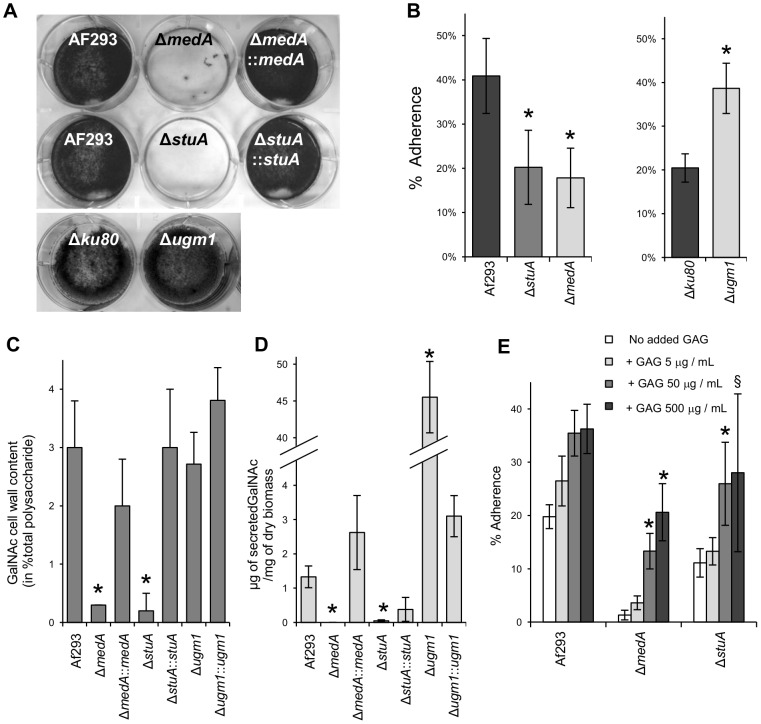
Figure 1
Figure 1. MedA and StuA are required for biofilm formation, adherence to plastic, and galactosaminogalactan (GAG) production.
(A) Formation of biofilms by hyphae of the indicated strains after 24 h growth on polystyrene plates. After washing, hyphae were stained with crystal violet for visualization. (B) Adherence of germlings of the indicated strains to polystyrene plates. (C) GalNAc content of the hyphal cell wall of the indicated A. fumigatus strains. Results are expressed as a percentage of the total carbohydrate content of the alkali insoluble fraction of the cell wall. (D) Amount of GAG released in the culture supernatant of the indicated strains after 48 h growth, normalized to the culture dry weight. (E) Effects of GAG supplementation on germling adherence of the indicated strains. 6-well polystyrene culture plates were coated with GAG extracted from Af293 culture at the indicated concentration overnight at 4°C before testing the adherence of germlings. All graphs indicate mean ± standard error and represent data obtained from at least three independent experiments performed on separate days. For graphs (B–D) *indicates a significant reduction as compared with the wild-type Af293 strain, with p value<0.05 by factor ANOVA. For graph (E): * and § indicate increased adherence of strains with the addition of GAG with p values of <0.05 and  = 0.08, respectively, by factor ANOVA.
Figure 2
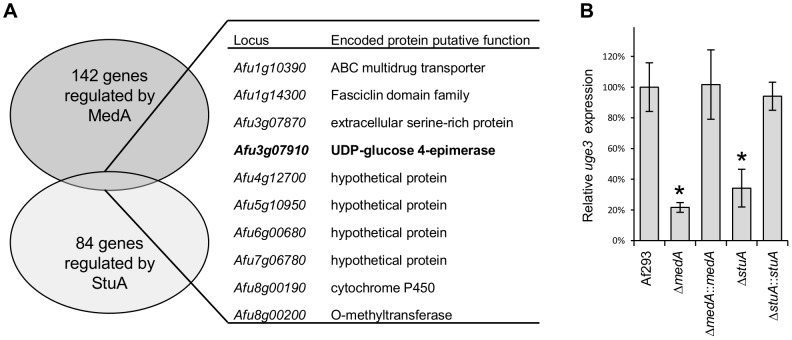
Figure 2. The gene uge3 (Afu3g07910) encodes a UDP-glucose-4-epimerase and is regulated by both MedA and StuA.
(A) Genes found to be differentially regulated in both ΔmedA and ΔstuA strains by microarray analysis. (B) Expression of uge3, measured by real-time RT-PCR in the indicated strains after 18 h growth. Results indicate the mean expression level from at least three independent experiments ± standard error. * indicates a significantly reduced uge3 mRNA levels as compared with Af293 strain, p<0.05 by factor ANOVA.
Figure 3
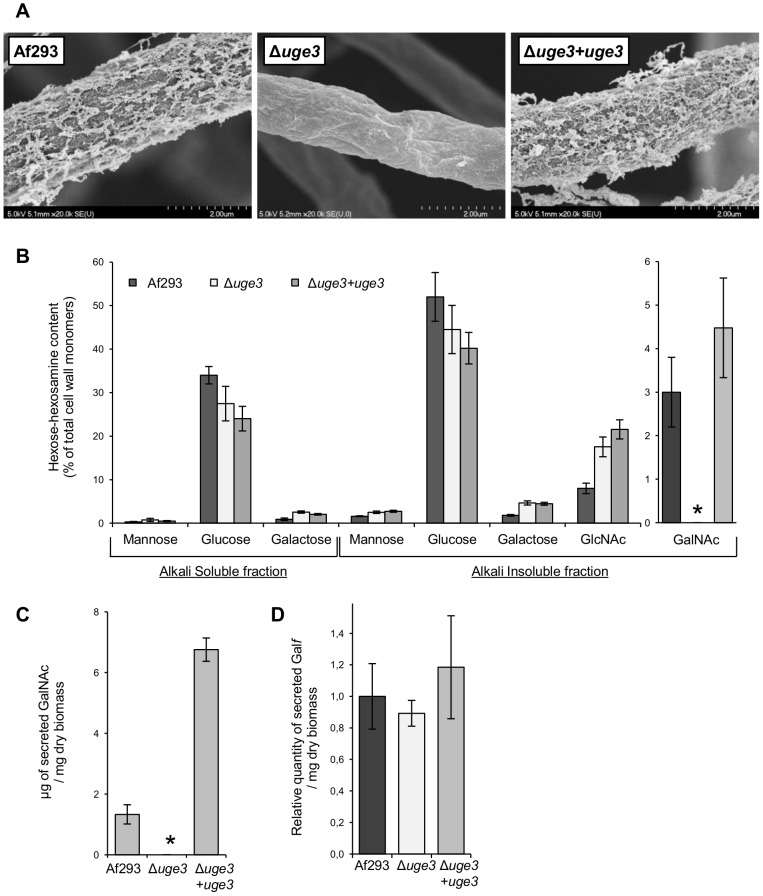
Figure 3. Uge3 is necessary for the production of GAG but dispensable for galactofuranose synthesis.
(A) Scanning electron micrographs of hyphae of the indicated strains after 24 h of growth. Magnification was 20,000×. (B) Hexose and hexosamine content of the hyphal cell wall of the indicated A. fumigatus strains. Results are expressed as a percentage of the total carbohydrate content of the cell wall. Quantity of GalNAc (C) and of galacto-furanose (Galf) (D) released in the culture supernatant of the indicated strains after 48 h growth, normalized to the culture dry weight. Graphs B, C and D indicate the mean ± standard error of at least three independent experiments. * indicates a significant reduction as compared with the wild-type Af293 strain, p<0.05 by factor ANOVA.
Figure 4
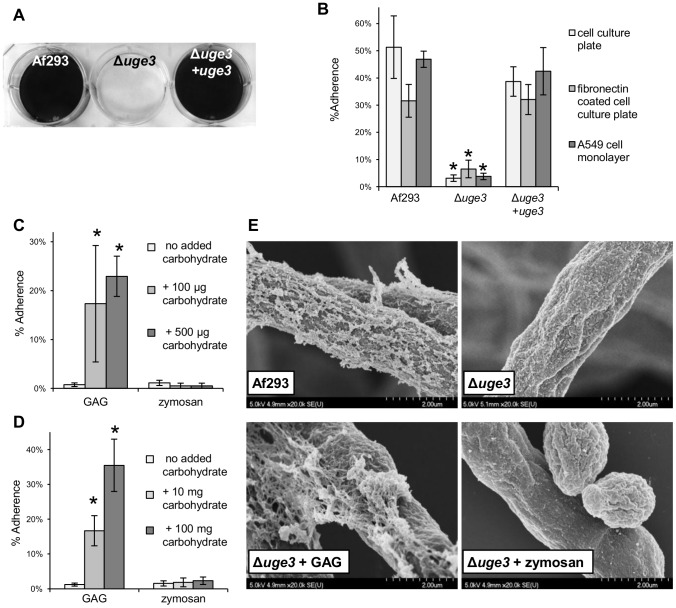
Figure 4. Uge3 is necessary for normal adherence of A. fumigatus hyphae.
(A) Formation of biofilms by hyphae of the indicated strains after 24 h growth on polystyrene plates. After washing, hyphae were stained with crystal violet for visualization. (B) Adherence of germlings of the indicated strains to cell culture treated polystyrene, fibronectin and A549 epithelial cells. (C) Adherence of the Δuge3 strain to cell culture treated polystyrene supplemented with a suspension of GAG or zymosan at the indicated concentrations. (D) Adherence to cell culture treated polystyrene of the Δuge3 strain pre-incubated for 30 min with a suspension of GAG or zymosan at the indicated concentrations. (E) Scanning electron micrographs of hyphae of the indicated strains after 24 h of growth and co-incubation with a suspension of GAG or zymozan for 30 min, when indicated. Magnification was 20,000×. All assays were performed on at least three independent occasions. Graphs indicate mean ± standard error. * indicates a significantly reduced adherence of the Δuge3 mutant as compared with Af293 and uge3-complemented strains (B) or a significantly increased adherence of the uge3 mutant after carbohydrate addition as compared with uge3 mutant alone (C), p<0.05 by factor ANOVA.
Figure 5
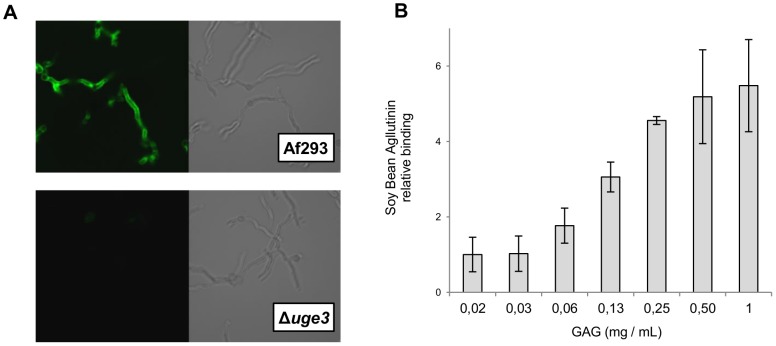
Figure 5. GAG binds to epithelial cells.
(A) Soy Bean Agglutinin (SBA), a GalNAc binding lectin, detects GAG on hyphae. Hyphae were grown for 12 h, fixed, stained with FITC-conjugated SBA and imaged using confocal microscopy. Magnification was 40×. (B) Dose dependent binding of purified GAG particles to A549 cells. Cells were co-incubated with the indicated concentration of GAG, and then washed and bound GAG was quantified by detection with FITC-conjugated SBA. The assay was performed on three independent occasions. Graphs indicate mean ± standard error.
Figure 6
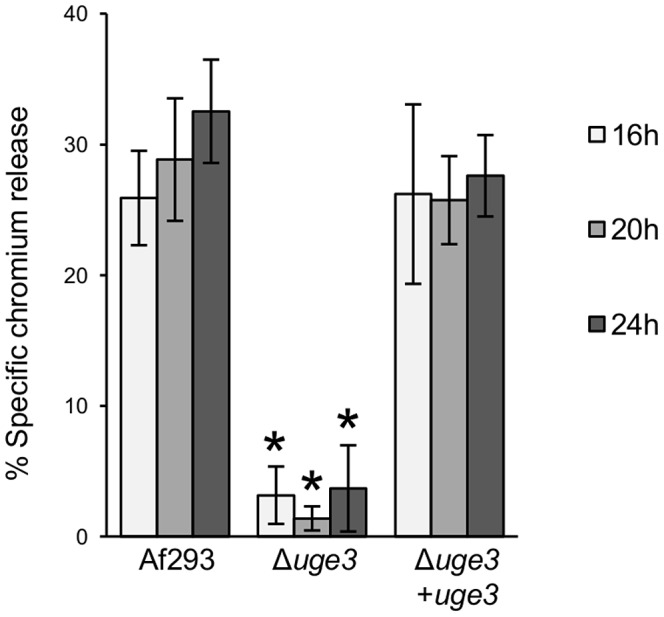
Figure 6. Uge3 is required for the induction of epithelial cell injury by A. fumigatus.
A549 pulmonary epithelial cells were incubated with conidia of the indicated strains for 16, 20 or 24 h, after which the extent of epithelial cell injury was measured with a chromium release assay. Graphs indicate mean ± standard error of 3 independent experiments, each performed in triplicate. * indicates a significantly reduced injury to cells induced by the Δuge3 mutant, as compared with injury induced by Af293 and uge3-complemented strains, p<0.05 by factor ANOVA.
Figure 7
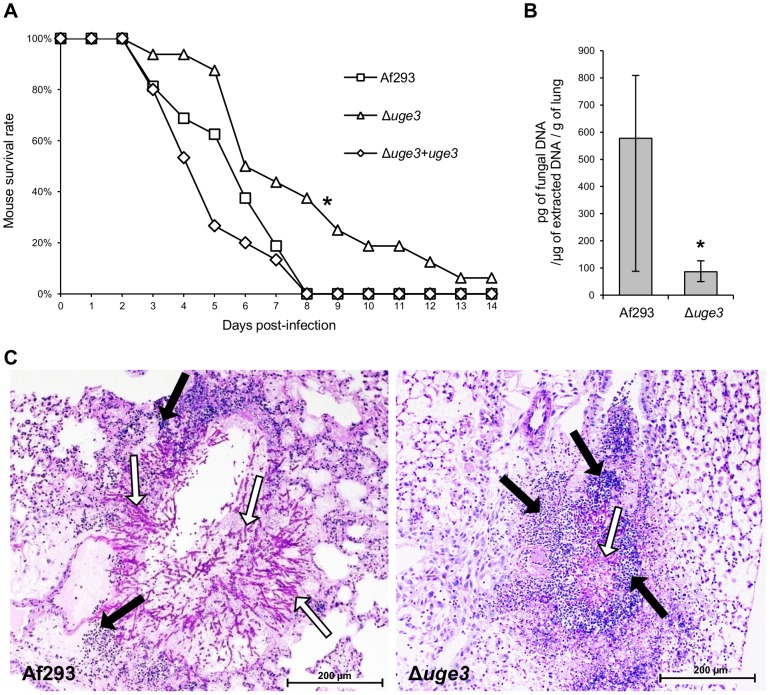
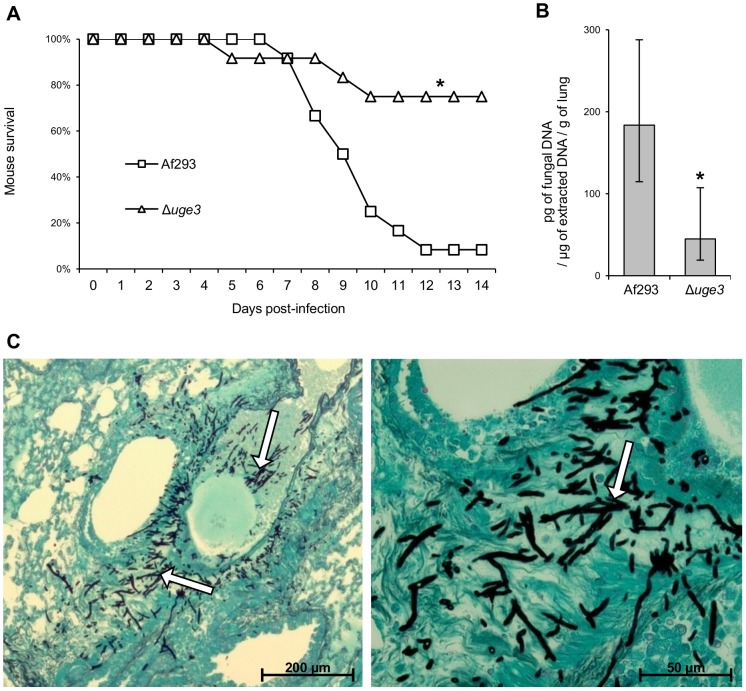
Figure 7. Uge3 is required for full virulence in mice model of IA.
(A) Survival of cortisone acetate-treated Balb/C mice infected with the indicated A. fumigatus strains. Data are the combined results of 2 independent experiments for a total of 16 mice per strain. * indicates a significant increase in survival between mice infected with the Δuge3 mutant and mice infected with the wild-type or with the uge3 complemented strain, p = 0.017 and <0.001 respectively by the log rank test. (B) Quantification of fungal DNA in lung homogenates of mice after 4 days of infection. Results are median ± interquartile of 8 mice per strain. * indicates a significantly reduced fungal DNA content in lungs of mice infected with the Δuge3 mutant compared with those infected with the wild-type strain, p = 0.015 by the Wilcoxon rank sum test. (C) Photomicrographs of PAS stained sections of mouse lungs obtained 4 days after infection with the indicated strains. White arrows indicate hyphae, black arrows indicate infiltrating leukocytes.
Figure 8
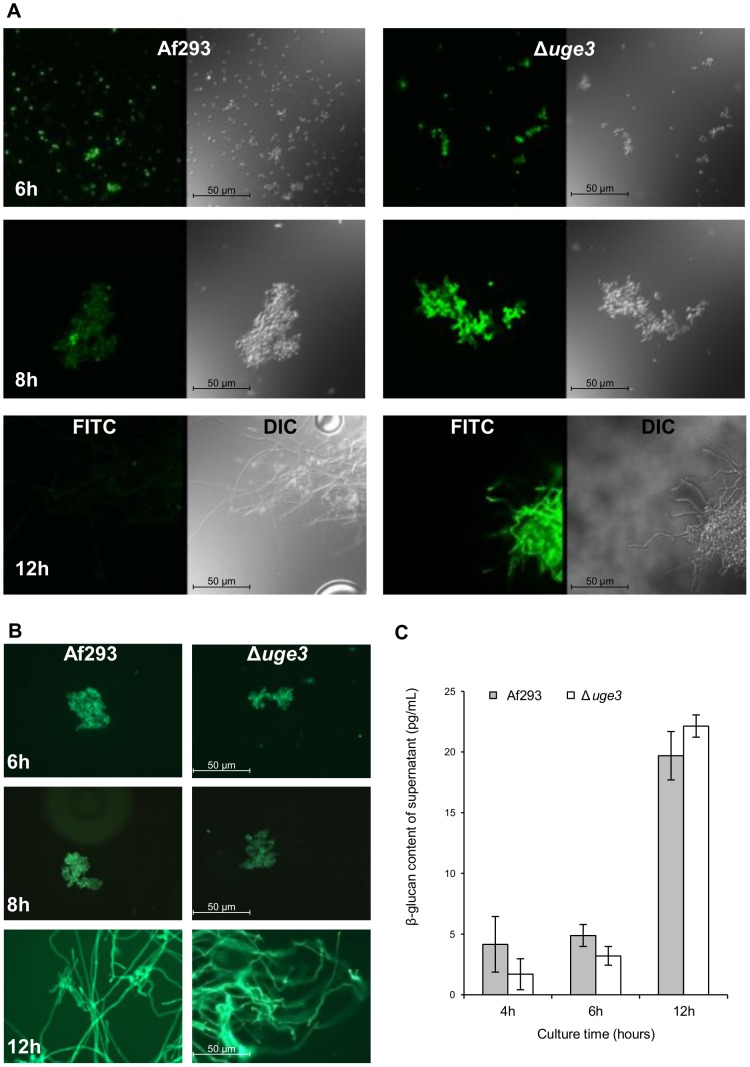
Figure 8. β-glucans are exposed on hyphae in the absence of GAG.
Detection of Fc-dectin-1 binding using indirect immunofluorescence. Conidia of A. fumigatus strains Af293 and Δuge3 were grown in Brian media for the indicated times, to produce swollen conidia (6 h), early germinating conidia (8 h) or hyphae (12 h). Samples were then fixed and stained with Fc-dectin-1 (A) or with aniline blue (B) and imaged with epifluorescent microscopy at 40× magnification. (C) β-glucan content of supernatants harvested from the indicated strains, as determined by the (1→3)-β-D-Glucan Detection Reagent Kit. Results are the mean ± standard error of two independent experiments.
Figure 9
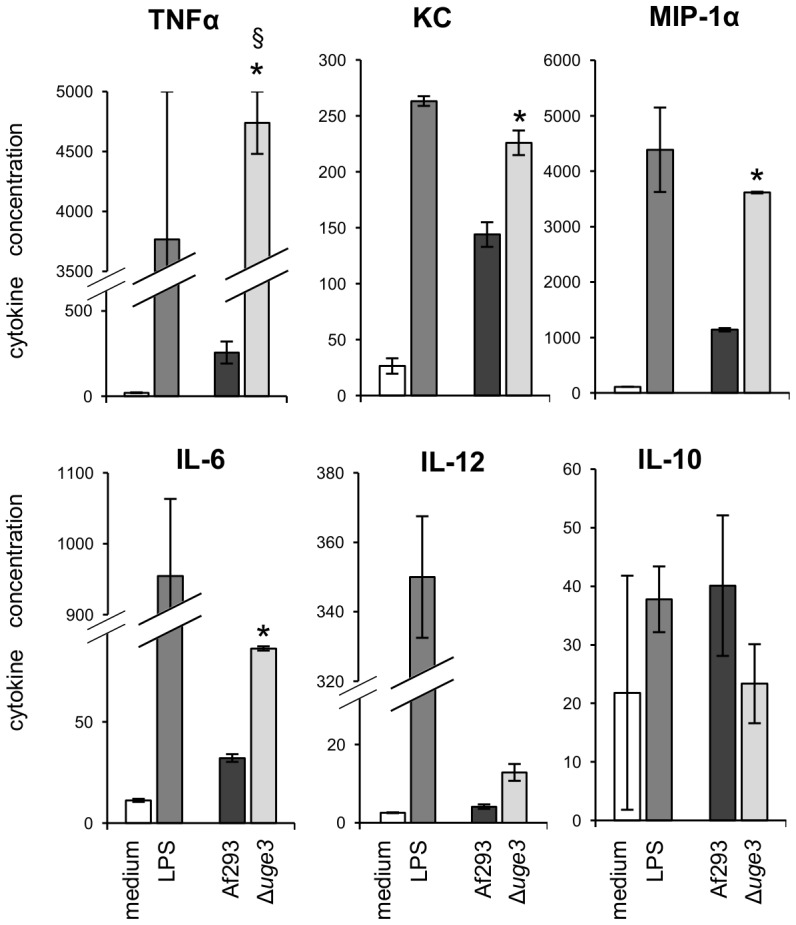
Figure 9. Dendritic cells produce an increased pro-inflammatory cytokine profile in response to the GAG deficient mutant.
Graphs show the cytokine content of culture supernatant after 6 h of infection of BMDDCs with hyphae of the indicated strains. LPS was used as a positive control, and medium as a negative control. Cytokine concentrations in culture supernatants were determined by multiplex EIA. Results are mean ± standard error of duplicate determination of cytokine concentrations, indicated in pg/mL. * indicates a significantly increased cytokine concentration induced by the Δuge3 mutant, as compared with the one induced by Af293, p<0.05 by factor ANOVA. § indicates that actual value is above 5,000 pg TNFα/mL (measures exceeded upper limit of the test).
Figure 10
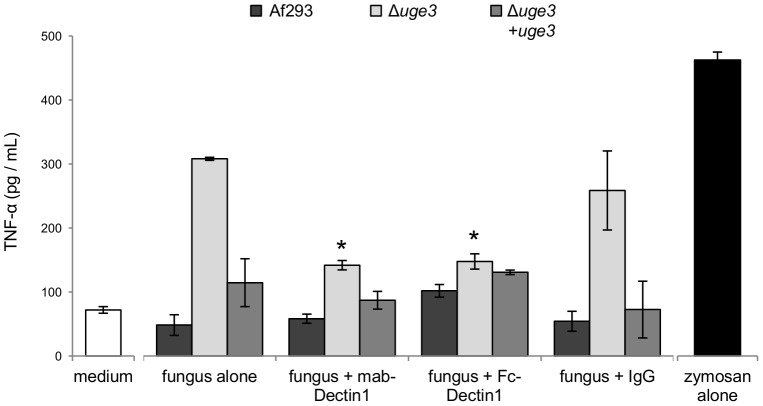
Figure 10. Dectin-1 blockade abrogates the increased TNFα secretion induced by the GAG deficient Δuge3 mutant.
BMDDCs were infected with hyphae of the indicated strains for 6 h, after which the TNFα content of culture supernatants was determined by EIA. Dectin-1 recognition of β-glucan was inhibited by preincubating BMDDCs with a monoclonal anti-dectin 1 antibody or by preincubating hyphae with Fc-dectin-1. Results are mean ± SEM of duplicate experiments, each performed in triplicate. * indicates a significant reduction of TNFα production compared to BMDDCs exposed to the Δuge3 mutant without dectin-1 blocking, p<0.05 by factor ANOVA.
Figure 11
Figure 11. Uge3 is required for full virulence in a highly immunosuppressed mouse model of IA.
(A) Survival of highly immunosuppressed mice treated with cyclophosphamide and cortisone acetate and infected with the indicated A. fumigatus strains. * indicates significantly increased survival of mice infected with the Δuge3 mutant as compared with those infected with the wild-type, p = 0.002 by the log rank test (n = 12 mice per fungal strain). (B) Quantification of fungal DNA in lung homogenates of mice after 5 days of infection. Results are median ± interquartile range of 8 mice per strain. * indicates a significantly reduced fungal DNA content in lungs of mice infected with the Δuge3 mutant as compared with those infected with the wild-type strain, p = 0.11 by the Wilcoxon rank sum test. (C) Photomicrographs of Gomori menthenamine silver stained sections of mouse lungs obtained 4 days after infection with the wild-type strain Af293. No fungal lesions could be identified in the lungs of mice infected with the Δuge3 mutant strain. Magnification was ×100 and ×400. White arrows indicate hyphae. Note the lack of infiltrating leukocytes within fungal lesions.
Figure 12
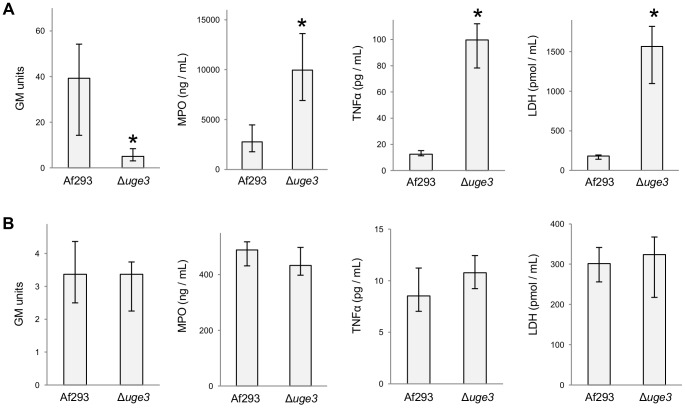
Figure 12. The A. fumigatus Δuge3 mutant induces a hyperinflammatory response in non-neutropenic mice that is attenuated in highly immunocompromised mice.
(A.) Corticosteroid treated mice were infected by inhalation with the indicated strains of A. fumigatus and sacrificed three days after infection. Fungal burden was determined by pulmonary galactomannan content and pulmonary inflammation was measured by determining MPO, and TNF-α content. Pulmonary injury was quantified by measuring LDH release in BAL fluid. MPO, TNF-α, and LDH levels were normalized to the fungal burden of each strain in Panel 1. Results are median ± interquartile range of 8 mice per strain. * indicates a significant decrease in fungal burden or a significant increase in MPO, TNFα or LDH content in lungs of mice infected with the Δuge3 mutant as compared to the lungs of mice infected with the wild-type strain, p<0.01 by the Wilcoxon rank sum test. (B) Corticosteroid and cyclophosphamide treated mice were infected by inhalation with the indicated strains, sacrificed and the lungs processed as in (A). MPO, TNF-α, and LDH levels were normalized to the fungal burden of each strain in Panel 1. Results are median ± interquartile range of 9 mice per strain. Note: y-axis values for all graphs are lower than those in (A).

References

    1. Garcia-Vidal C, Upton A, Kirby KA, Marr KA (2008) Epidemiology of invasive mold infections in allogeneic stem cell transplant recipients: biological risk factors for infection according to time after transplantation. Clin Infect Dis 47: 1041–1050. - PMC - PubMed
    1. Denning DW (2000) Aspergillus species. In: Mandell GL, Bennett JE, Dolin R, editors. Mandell, Douglas, and Bennett's principals and practice of infectious diseases. 5th ed. Philadelphia: Chuchill Livingston. pp. 2674–2685.
    1. Sheppard DC (2011) Molecular mechanism of Aspergillus fumigatus adherence to host constituents. Curr Opin Microbiol 14: 375–379. - PMC - PubMed
    1. Wasylnka JA, Moore MM (2003) Aspergillus fumigatus conidia survive and germinate in acidic organelles of A549 epithelial cells. J Cell Sci 116: 1579–1587. - PubMed
    1. Wasylnka JA, Moore MM (2002) Uptake of Aspergillus fumigatus conidia by phagocytic and nonphagocytic cells in vitro: quantitation using strains expressing green fluorescent protein. Infect Immun 70: 3156–3163. - PMC - PubMed

Publication types

MeSH terms