


Effective photodynamic therapy against microbial populations in human deep tissue abscess aspirates
- PMID: 23996629
- PMCID: PMC3904787
- DOI: 10.1002/lsm.22171
Effective photodynamic therapy against microbial populations in human deep tissue abscess aspirates
Abstract
Background and objective: The primary therapy for deep tissue abscesses is drainage accompanied by systemic antimicrobial treatment. However, the long antibiotic course required increases the probability of acquired resistance, and the high incidence of polymicrobial infections in abscesses complicates treatment choices. Photodynamic therapy (PDT) is effective against multiple classes of organisms, including those displaying drug resistance, and may serve as a useful adjunct to the standard of care by reduction of abscess microbial burden following drainage.
Study design/materials and methods: Aspirates were obtained from 32 patients who underwent image-guided percutaneous drainage of the abscess cavity. The majority of the specimens (24/32) were abdominal, with the remainder from liver and lung. Conventional microbiological techniques and nucleotide sequence analysis of rRNA gene fragments were used to characterize microbial populations from abscess aspirates. We evaluated the sensitivity of microorganisms to methylene blue-sensitized PDT in vitro both within the context of an abscess aspirate and as individual isolates.
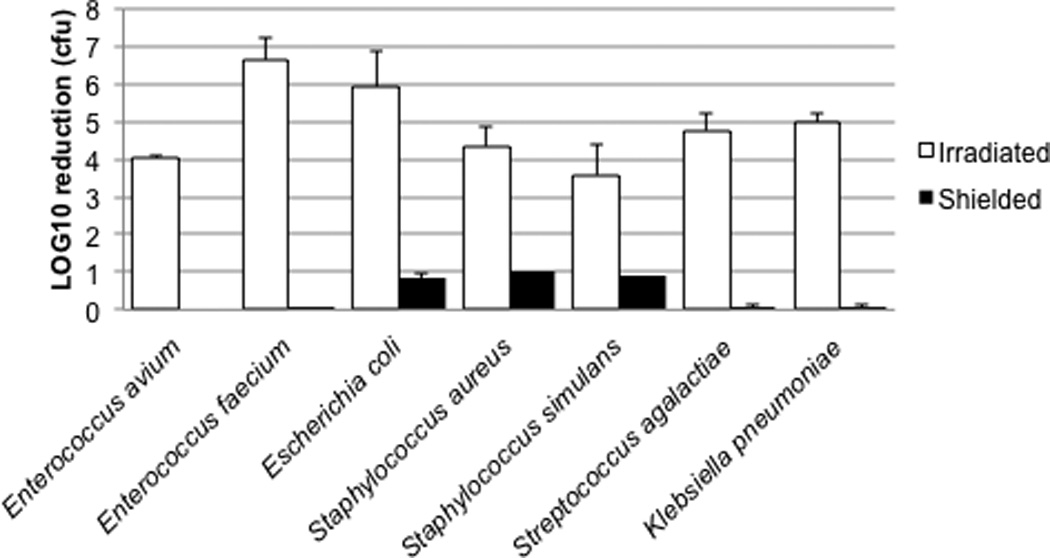
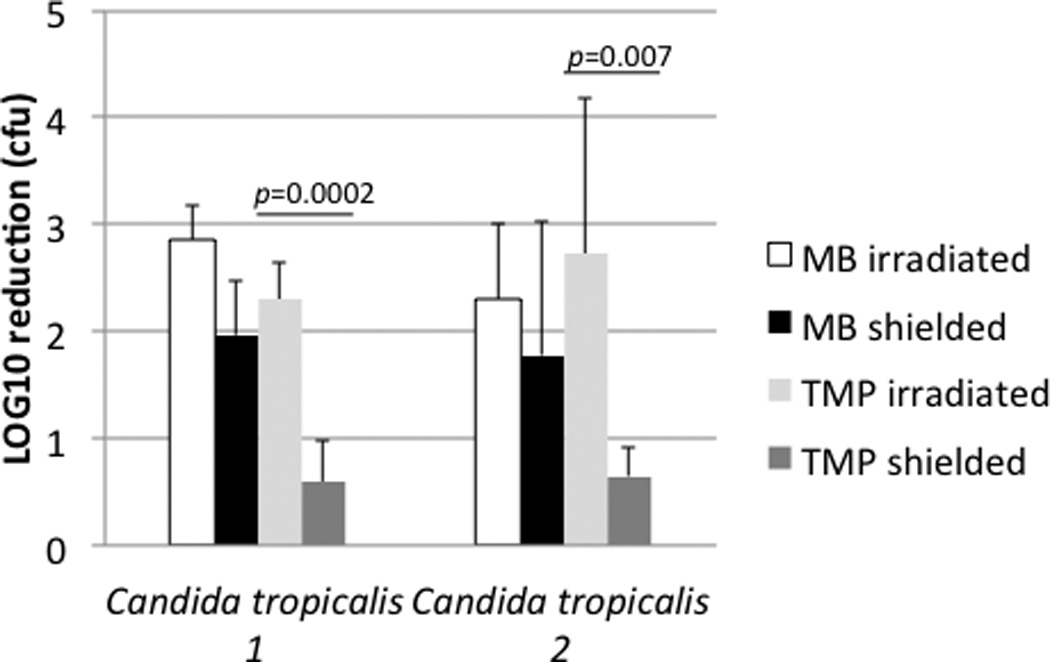
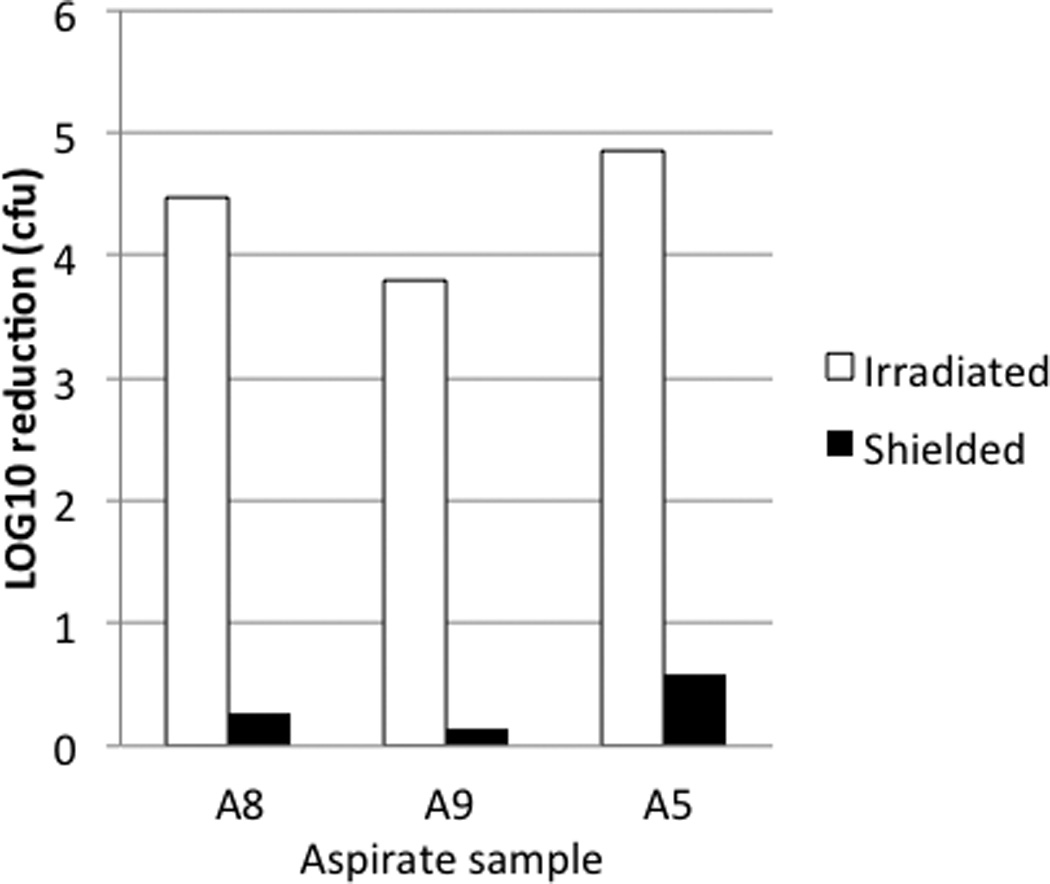
Results: Most isolates were bacterial, with the fungus Candida tropicalis also isolated from two specimens. We examined the sensitivity of these microorganisms to methylene blue-PDT. Complete elimination of culturable microorganisms was achieved in three different aspirates, and significant killing (P < 0.0001) was observed in all individual microbial isolates tested compared to controls.
Conclusions: These results and the technical feasibility of advancing optical fibers through catheters at the time of drainage motivate further work on including PDT as a therapeutic option during abscess treatment.
Keywords: antimicrobial; bacteria; fungi; image-guided; methylene blue.
© 2013 Wiley Periodicals, Inc.
Figures
References
-
- Kumar V, Abbas AK, Fausto N. Acute and chronic inflammation. In: Kumar V, Abbas AK, Fausto N, editors. Robbins and Cotran Pathologic Basis of Disease. 8th ed. Philadelphia: Saunders Elsevier; 2010.
-
- Wall SD, Fisher MR, Amparo EG, Hricak H, Higgins CB. Magnetic resonance imaging in the evaluation of abscesses. Am J Roentgenol. 1985;144(6):1217–1221. - PubMed
-
- Ricucci D, Siqueira JF., Jr Biofilms and apical periodontitis: study of prevalence and association with clinical and histopathologic findings. J Endod. 2010;36(8):1277–1288. - PubMed
Publication types
MeSH terms
Substances
Grants and funding
LinkOut - more resources
Full Text Sources
Other Literature Sources
Medical
