


MSCs: Delivery Routes and Engraftment, Cell-Targeting Strategies, and Immune Modulation
- PMID: 24000286
- PMCID: PMC3755386
- DOI: 10.1155/2013/732742
MSCs: Delivery Routes and Engraftment, Cell-Targeting Strategies, and Immune Modulation
Abstract
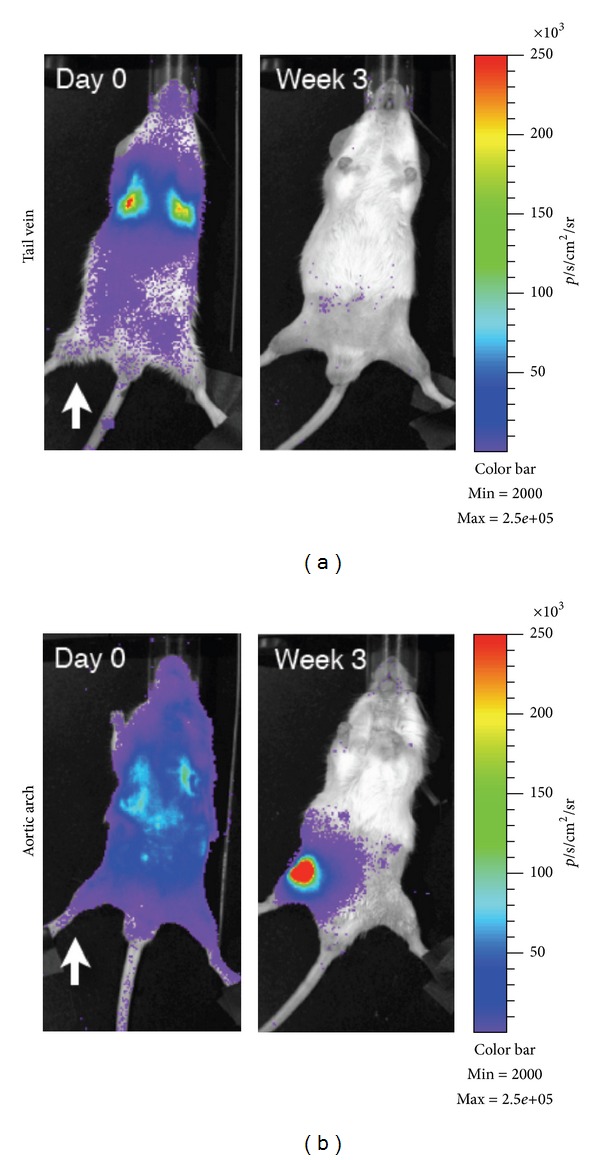
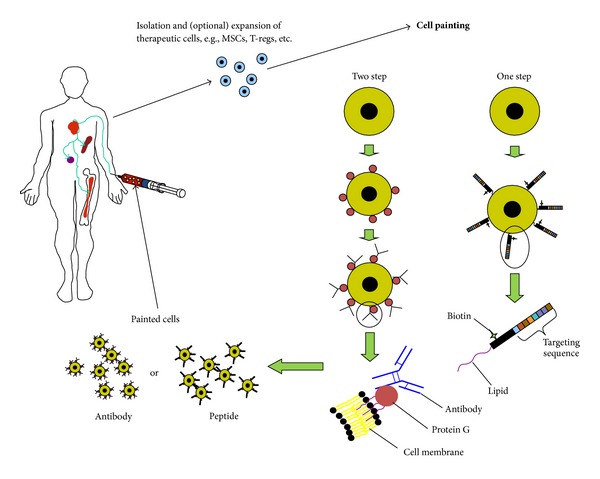
Mesenchymal stem cells (MSCs) are currently being widely investigated both in the lab and in clinical trials for multiple disease states. The differentiation, trophic, and immunomodulatory characteristics of MSCs contribute to their therapeutic effects. Another often overlooked factor related to efficacy is the degree of engraftment. When reported, engraftment is generally low and transient in nature. MSC delivery methods should be tailored to the lesion being treated, which may be local or systemic, and customized to the mechanism of action of the MSCs, which can also be local or systemic. Engraftment efficiency is enhanced by using intra-arterial delivery instead of intravenous delivery, thus avoiding the "first-pass" accumulation of MSCs in the lung. Several methodologies to target MSCs to specific organs are being developed. These cell targeting methodologies focus on the modification of cell surface molecules through chemical, genetic, and coating techniques to promote selective adherence to particular organs or tissues. Future improvements in targeting and delivery methodologies to improve engraftment are expected to improve therapeutic results, extend the duration of efficacy, and reduce the effective (MSC) therapeutic dose.
Figures
References
-
- Caplan AI. Mesenchymal stem cells. Journal of Orthopaedic Research. 1991;9(5):641–650. - PubMed
-
- Friedenstein AJ. Precursor cells of mechanocytes. International Review of Cytology. 1976;47:327–359. - PubMed
-
- Dennis JE, Merriam A, Awadallah A, Yoo JU, Johnstone B, Caplan AI. A quadripotential mesenchymal progenitor cell isolated from the marrow of an adult mouse. Journal of Bone and Mineral Research. 1999;14(5):700–709. - PubMed
-
- Vilquin J-T, Rosset P. Mesenchymal stem cells in bone and cartilage repair: current status. Regenerative Medicine. 2006;1(4):589–604. - PubMed
-
- Veronesi F, Giavaresi G, Tschon M, Borsari V, Nicoli Aldini N, Fini M. Clinical use of bone marrow, bone marrow concentrate, and expanded bone marrow mesenchymal stem cells in cartilage disease. Stem Cells and Development. 2013;22:181–192. - PubMed
Grants and funding
LinkOut - more resources
Full Text Sources
Other Literature Sources
Miscellaneous
