


Birth defects associated with perturbations in preimplantation, gastrulation, and axis extension: from conjoined twinning to caudal dysgenesis
- PMID: 24014416
- PMCID: PMC4069860
- DOI: 10.1002/wdev.97
Birth defects associated with perturbations in preimplantation, gastrulation, and axis extension: from conjoined twinning to caudal dysgenesis
Abstract
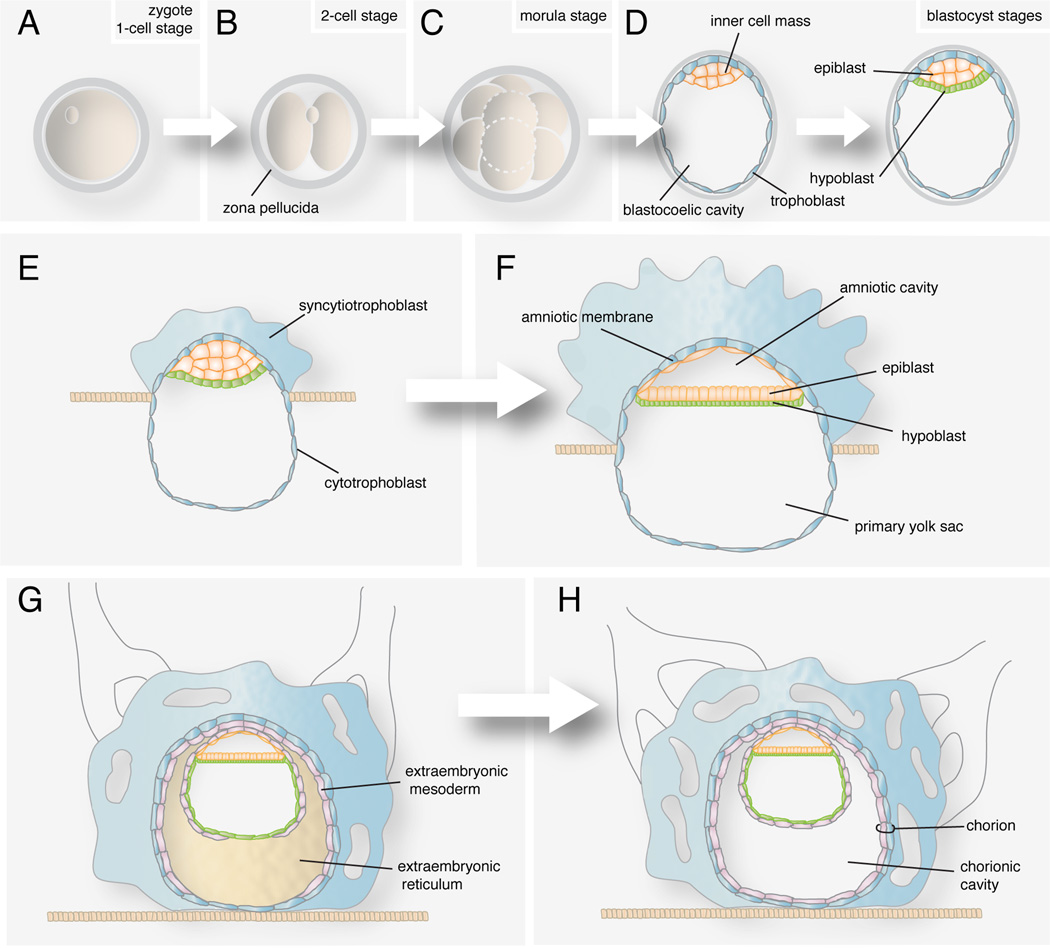
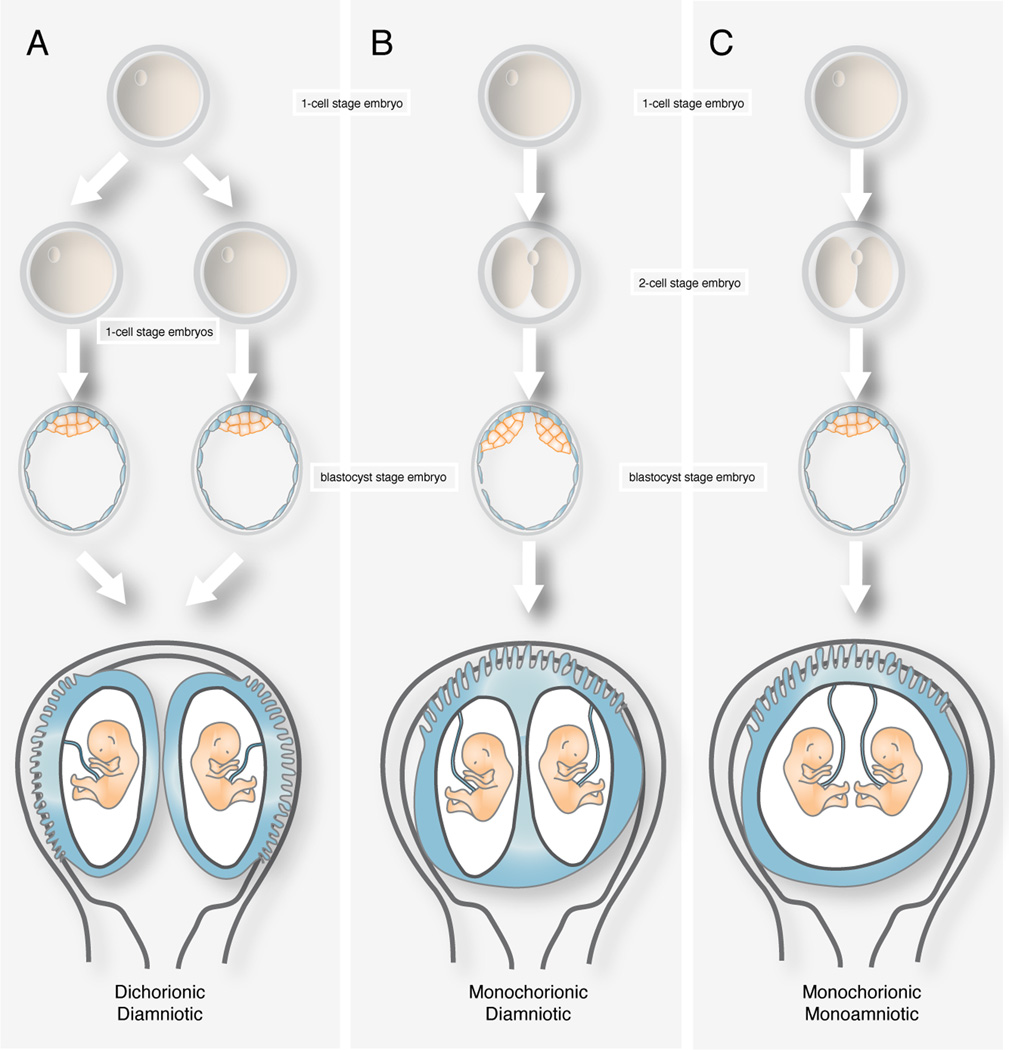
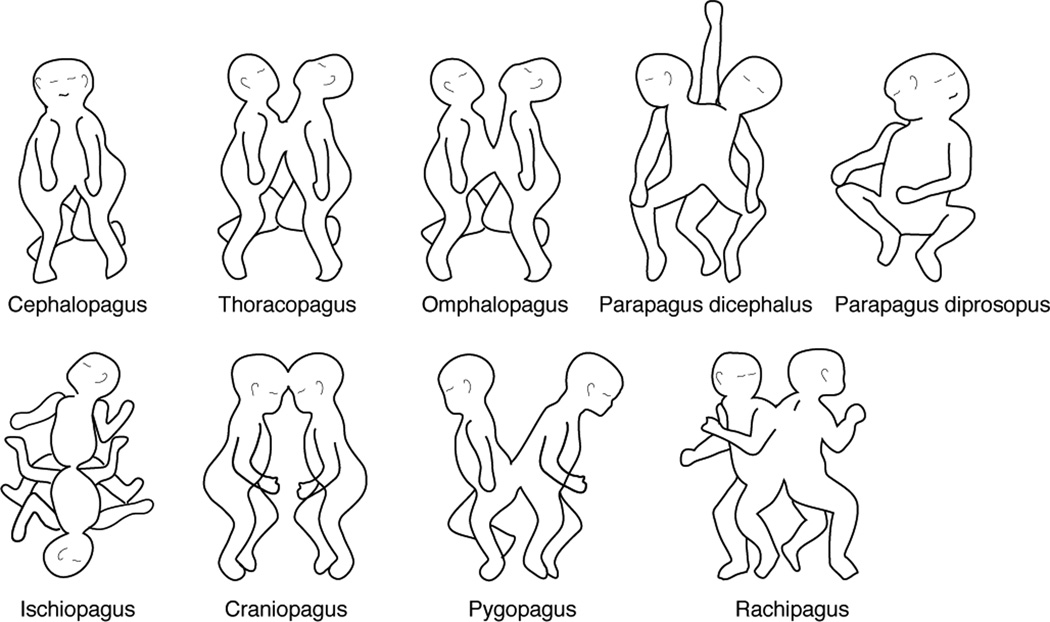
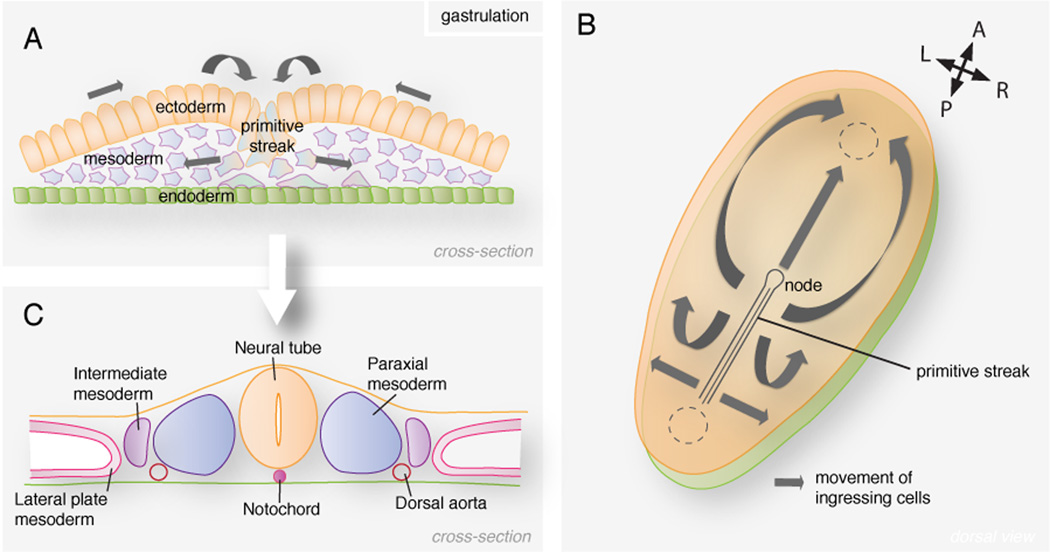
Congenital malformations represent approximately 3 in 100 live births within the human population. Understanding their pathogenesis and ultimately formulating effective treatments are underpinned by knowledge of the events and factors that regulate normal embryonic development. Studies in model organisms, primarily in the mouse, the most prominent genetically tractable mammalian model, have equipped us with a rudimentary understanding of mammalian development from early lineage commitment to morphogenetic processes. In this way, information provided by studies in the mouse can, in some cases, be used to draw parallels with other mammals, including human. Here, we provide an overview of our current understanding of the general sequence of developmental events from early cell cleavages to gastrulation and axis extension occurring in human embryos. We will also review some of the rare birth defects occurring at these stages, in particular those resulting in conjoined twinning or caudal dysgenesis.
Copyright © 2012 Wiley Periodicals, Inc.
Figures
References
-
- Thomson JA, Itskovitz-Eldor J, Shapiro SS, Waknitz MA, Swiergiel JJ, Marshall VS, Jones JM. Embryonic stem cell lines derived from human blastocysts. Science. 1998;282:1145–1147. - PubMed
-
- Rossant J, Tam PP. Blastocyst lineage formation, early embryonic asymmetries and axis patterning in the mouse. Development. 2009;136:701–713. - PubMed
-
- Lanner F, Rossant J. The role of FGF/Erk signaling in pluripotent cells. Development. 2010;137:3351–3360. - PubMed
Publication types
MeSH terms
Supplementary concepts
Grants and funding
LinkOut - more resources
Full Text Sources
