


Rationale, design, and baseline features of a randomized controlled trial to assess the effects of statin for the secondary prevention of stroke: the Japan Statin Treatment Against Recurrent Stroke (J-STARS)
- PMID: 24015915
- PMCID: PMC4283729
- DOI: 10.1111/ijs.12099
Rationale, design, and baseline features of a randomized controlled trial to assess the effects of statin for the secondary prevention of stroke: the Japan Statin Treatment Against Recurrent Stroke (J-STARS)
Abstract
Background: Although statin therapy is beneficial for preventing first strokes, the benefit for recurrent stroke and its sub-types remains unknown in Asian populations. The aim of this study is to examine the role of pravastatin in the secondary prevention of stroke in Japanese patients.
Methods: This is a multicenter, randomized, open-label, parallel group study of patients with noncardioembolic ischemic stroke (atherothrombotic infarction, lacunar infarction, and infarction of undetermined etiology). All patients were diagnosed with hyperlipidemia and with a total cholesterol level between 180 and 240 mg/dl at enrollment. Patients in the treatment group receive 10 mg/day of pravastatin, and those in the control group receive no statin treatment. The primary end-point is the recurrence of stroke, including transient ischemic attack. The secondary end-points include the onset of respective stroke sub-types and functional outcomes related to stroke. The patients were enrolled for five-years and will be followed up for five-years.
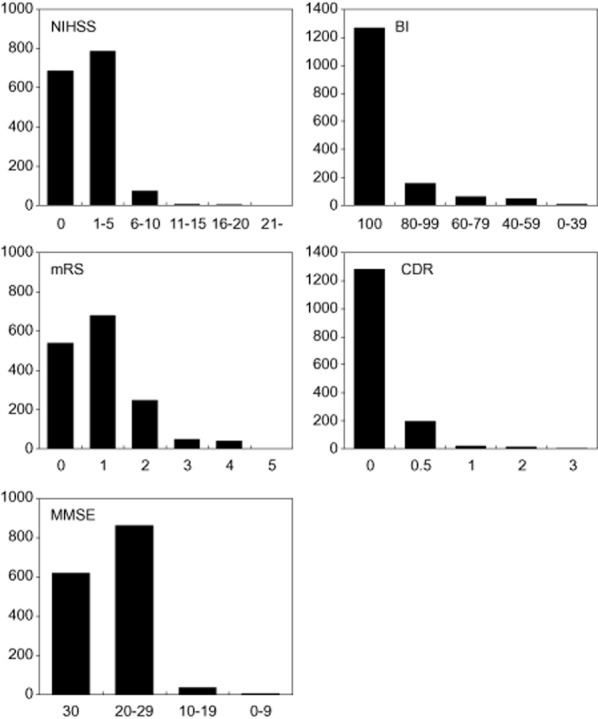
Results: A total of 1578 eligible patients (age: 66·2 years, men: 68·8%), including 64·2% with lacunar infarction, 25·4% with atherothrombotic infarction, and 10·4% with infarction of undetermined etiology were included in this study. Lipid levels were generally well controlled (total cholesterol: 210·0 mg/dl, low density lipoprotein cholesterol: 129·5 mg/dl) at baseline. In addition, the disability of patients was relatively mild, and cognitive function was preserved in the majority of patients.
Conclusion: This article reports the rationale, design, and baseline features of a randomized controlled trial to assess the effects of statin for the secondary prevention of stroke. Follow-ups of patients are in progress and will end in 2014.
Keywords: recurrence; secondary prevention; statins; stroke.
© 2013 The Authors. International Journal of Stroke published by World Stroke Organization.
Figures
References
-
- Psaty BM, Lumley T, Furberg CD, et al. Health outcomes associated with various antihypertensive therapies used as first-line agents: a network meta-analysis. JAMA. 2003;289:2534–2544. - PubMed
-
- Pearson TA. Primary and secondary prevention of coronary artery disease: trials of lipid lowering with statins. Am J Cardiol. 1998;82:28S–30S. - PubMed
-
- Plehn JF, Davis BR, Sacks FM, et al. Reduction of stroke incidence after myocardial infarction with pravastatin: the Cholesterol and Recurrent Events (CARE) study. The Care Investigators. Circulation. 1999;99:216–223. - PubMed
-
- White HD, Simes RJ, Anderson NE, et al. Pravastatin therapy and the risk of stroke. N Engl J Med. 2000;343:317–326. - PubMed
Publication types
MeSH terms
Substances
LinkOut - more resources
Full Text Sources
Other Literature Sources
Medical
