


Phenol-soluble modulins and staphylococcal infection
- PMID: 24018382
- PMCID: PMC4780437
- DOI: 10.1038/nrmicro3110
Phenol-soluble modulins and staphylococcal infection
Erratum in
- Nat Rev Microbiol. 2013 Nov;11(11):814
Abstract
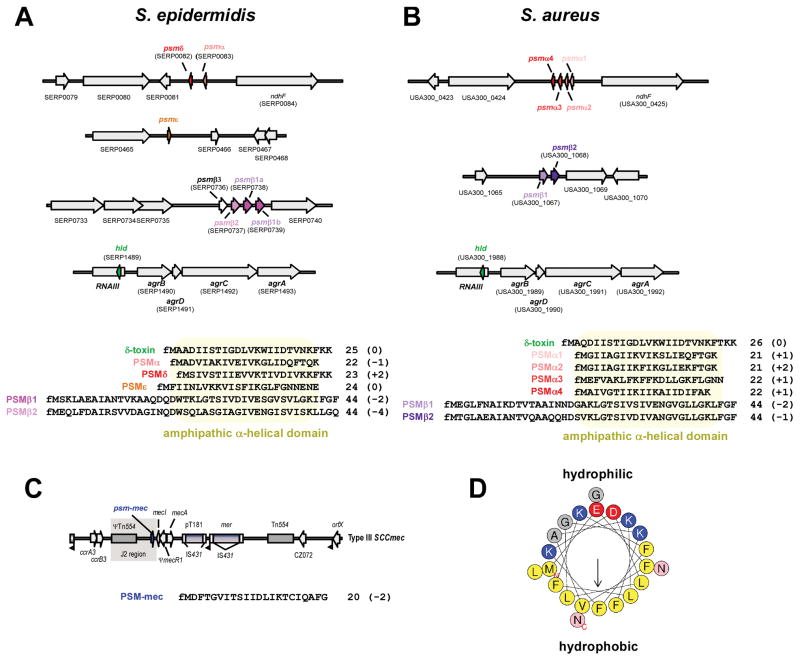
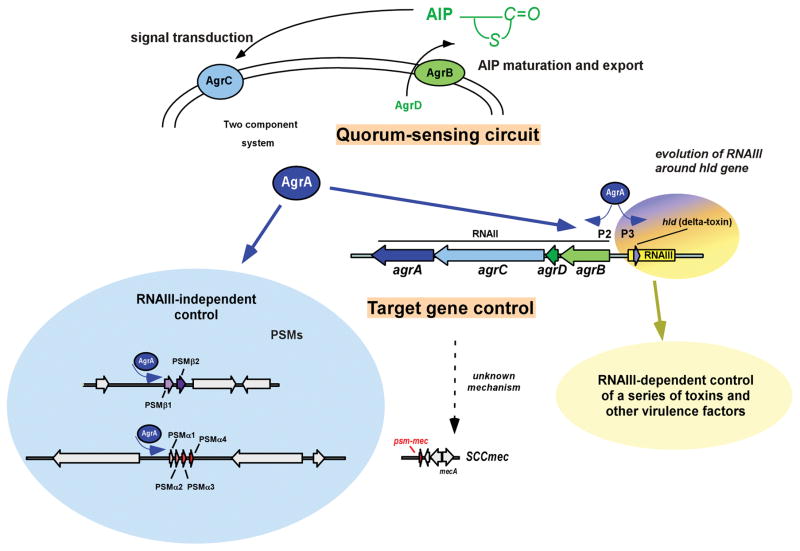
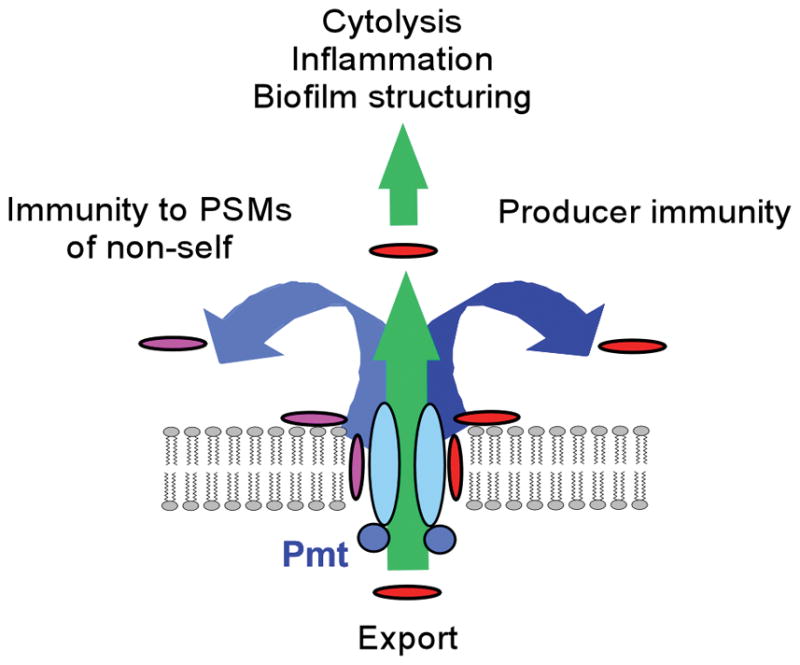
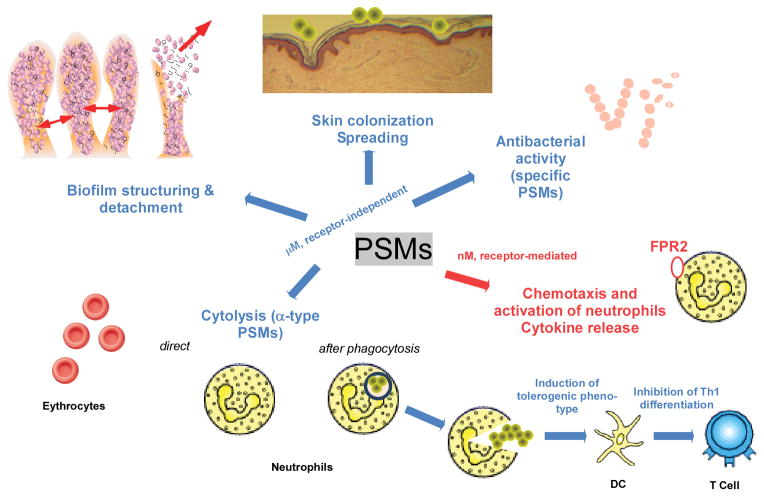
Staphylococcus aureus is an important human pathogen and a leading cause of death worldwide. Phenol-soluble modulins (PSMs) have recently emerged as a novel toxin family defining the virulence potential of highly aggressive S. aureus isolates. PSMs have multiple roles in staphylococcal pathogenesis, causing lysis of red and white blood cells, stimulating inflammatory responses and contributing to biofilm development and the dissemination of biofilm-associated infections. Moreover, the pronounced capacity of PSMs to kill human neutrophils after phagocytosis might explain failures in the development of anti-staphylococcal vaccines. Here, we discuss recent progress made in our understanding of the biochemical and genetic properties of PSMs and their role in S. aureus pathogenesis, and suggest potential avenues to target PSMs for the development of anti-staphylococcal drugs.
Figures
References
-
- Wertheim HF, et al. The role of nasal carriage in Staphylococcus aureus infections. Lancet Infect Dis. 2005;5:751–62. - PubMed
-
- Lowy FD. Staphylococcus aureus infections. N Engl J Med. 1998;339:520–32. - PubMed
-
- Klevens RM, et al. Invasive methicillin-resistant Staphylococcus aureus infections in the United States. Jama. 2007;298:1763–71. - PubMed
-
- Costerton JW, Stewart PS, Greenberg EP. Bacterial biofilms: a common cause of persistent infections. Science. 1999;284:1318–22. - PubMed
Publication types
MeSH terms
Substances
Grants and funding
LinkOut - more resources
Full Text Sources
Other Literature Sources
Medical
