


Restoring proximal caries lesions conservatively with tunnel restorations
- PMID: 24019754
- PMCID: PMC3760193
- DOI: 10.2147/CCIDE.S48567
Restoring proximal caries lesions conservatively with tunnel restorations
Abstract
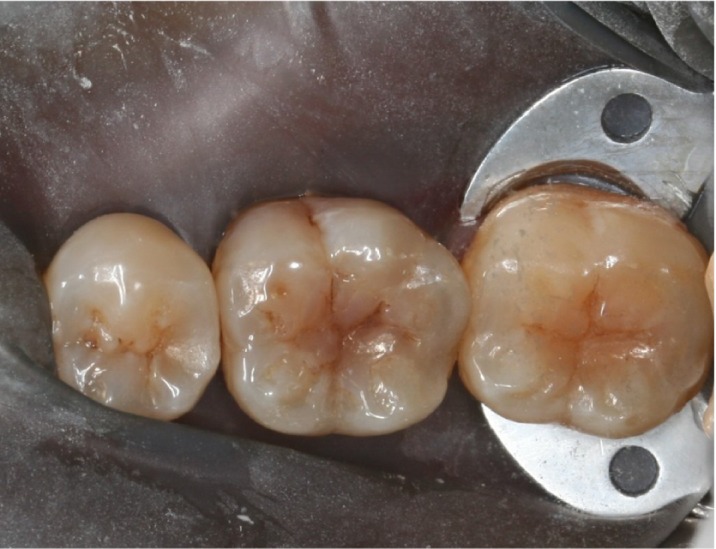
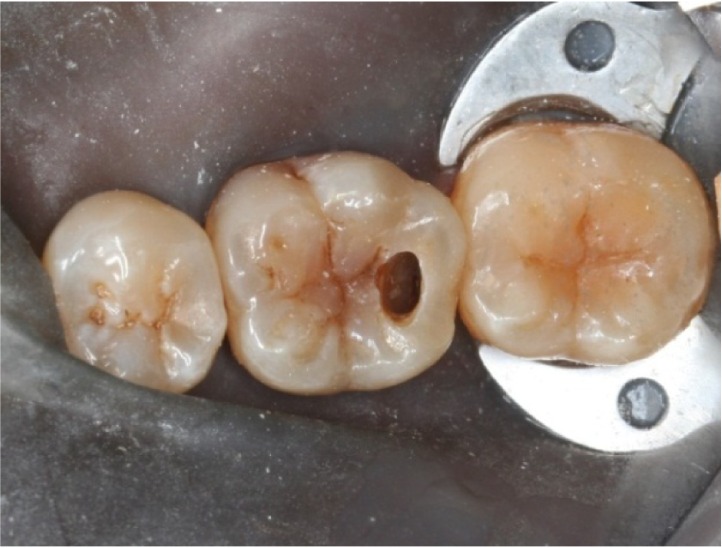
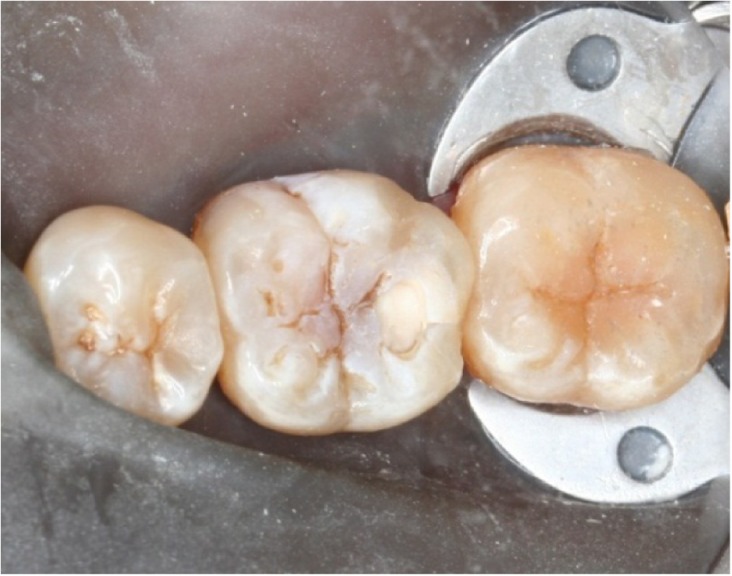
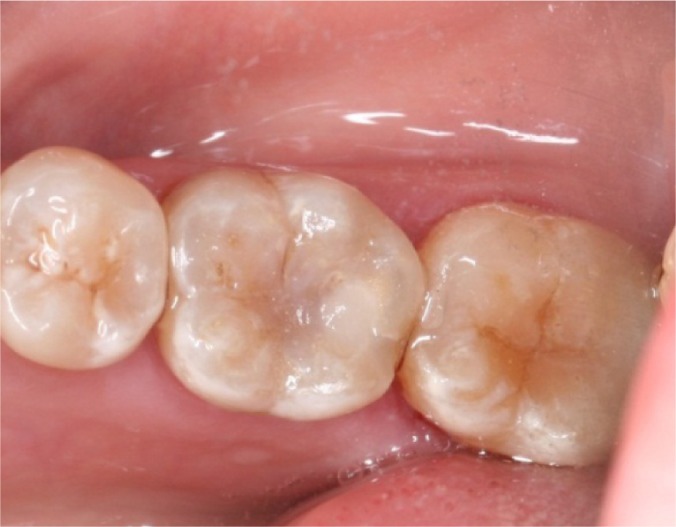
The tunnel restoration has been suggested as a conservative alternative to the conventional box preparation for treating proximal caries. The main advantage of tunnel restoration over the conventional box or slot preparation includes being more conservative and increasing tooth integrity and strength by preserving the marginal ridge. However, tunnel restoration is technique-sensitive and can be particularly challenging for inexperienced restorative dentists. Recent advances in technology, such as the contemporary design of dental handpieces with advanced light-emitting diode (LED) and handheld comfort, offer operative dentists better vision, illumination, and maneuverability. The use of magnifying loupes also enhances the visibility of the preparation. The advent of digital radiographic imaging has improved dental imaging and reduced radiation. The new generation of restorative materials has improved mechanical properties. Tunnel restoration can be an option to restore proximal caries if the dentist performs proper case selection and pays attention to the details of the restorative procedures. This paper describes the clinical technique of tunnel restoration and reviews the studies of tunnel restorations.
Keywords: amalgam; composite; glass ionomer; operative; practice; tunnel preparation.
Figures
References
-
- Chu CH. Treatment of early childhood caries: a review and case report. Gen Dent. 2000;48(2):142–148. - PubMed
-
- Mount GJ. Minimal intervention dentistry: rationale of cavity design. Oper Dent. 2003;28(1):92–99. - PubMed
-
- Ratledge DK, Kidd EA, Treasure ET. The tunnel restoration. Br Dent J. 2002;193(9):501–506. - PubMed
-
- Hunt PR. A modified class II cavity preparation for glass ionomer restorative materials. Quintessence Int. 1984;15(10):1011–1018. - PubMed
Publication types
LinkOut - more resources
Full Text Sources
Other Literature Sources
